 By admin
 Imagine waking up, glancing in the mirror, and noticing those subtle lines seem a little more pronounced, your skin a touch less vibrant. It’s a moment many of us face, sparking a desperate search for a quick fix.
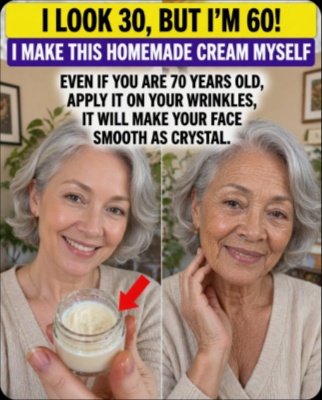
Perhaps you’ve seen the viral hacks: baking soda promising an overnight miracle for smoother, younger-looking skin. But what if this seemingly innocent kitchen staple is actually doing more harm than good, silently sabotaging your complexion?
You’re definitely not alone in this skincare dilemma. Let’s peel back the layers and uncover the real science behind this widely shared trend, revealing why gentle, consistent care almost always triumphs over dramatic, fleeting solutions.
Why Baking Soda Became a Viral Skin Care Trend
The allure of baking soda in skincare is undeniable. This common household item, scientifically known as sodium bicarbonate, is incredibly accessible, budget-friendly, effortless to prepare, and constantly featured in captivating before-and-after transformations across social media feeds.
Enthusiasts are drawn to it for several perceived benefits:
- It appears to provide a gentle exfoliating action.
- It seems to effectively soak up excess oil, leaving a matte finish.
- It creates a surprisingly smooth texture when combined with water or various oils.
Following an initial application, countless individuals report their skin feeling remarkably “cleaner” or “softer.” This immediate sensation of freshness can be incredibly compelling, particularly when you’re yearning for a rapid improvement in your complexion.
However, the true narrative of baking soda and your skin extends far beyond that fleeting, initial pleasant feeling.
What Actually Happens to Your Skin While You Sleep
As you drift into slumber each night, your skin embarks on an intensive period of hard work. The overnight hours are prime time for your skin’s natural restoration processes to activate:
- Skin cells undergo accelerated regeneration and renewal.
- The delicate moisture balance is meticulously restored.
- The crucial protective skin barrier diligently rebuilds and fortifies itself.
Optimal skin health thrives within a slightly acidic environment, a state known as its ‘acid mantle.’ Baking soda, in stark contrast, is significantly alkaline. Introducing a substance with such a high pH can dramatically, albeit temporarily, disturb this vital, delicate balance.
What’s the consequence of this disruption? That immediate sensation of ‘softness’ you experience post-application might actually stem from superficial alterations that offer no genuine support for your skin’s enduring health. With repeated use, your skin can progressively become drier, develop an uncomfortable tightness, or exhibit heightened reactivity.
The Truth About “Wrinkles Disappearing Overnight”
Let’s be clear: no single product, particularly a humble kitchen ingredient, possesses the magic to genuinely eradicate wrinkles in a mere twenty-four hours. What individuals frequently perceive as ‘disappearing wrinkles’ is often attributed to:
- A transient tightening sensation caused by excessive dryness.
- A subtle, momentary alteration in how light interacts with the skin’s surface.
- The profound influence of positive expectation, also known as the placebo effect.
Authentic, lasting improvements in fine lines and skin texture emerge from consistent, deep hydration, robust collagen support, and unwavering daily skincare habits—not from dramatic, isolated treatments promising instant miracles.
Baking Soda vs. Gentle Skin Care: A Gentle Comparison
To illustrate the fundamental differences, let’s conduct a gentle comparison between the baking soda approach and a truly skin-supportive, gentle skincare regimen:
| Factor | Baking Soda | Gentle Skin Care Approach |
|---|---|---|
| pH Level | Alkaline | Skin-friendly (balanced) |
| Immediate Feel | Smoother but can feel dry | Soft and hydrated |
| Long-Term Effect | May irritate or weaken barrier | Supports and protects skin |
| Best For | Occasional kitchen use | Daily gentle routines |
The crucial insight here is this: while something might deliver a dramatically effective sensation initially, it doesn’t necessarily translate into what truly benefits your skin’s health and appearance over the long haul.
Why This Matters More for Mature Skin
This distinction becomes even more critical for mature skin. With the natural aging process, our skin inherently thins and becomes more fragile, losing its youthful resilience to environmental stressors and disruptions. Consequently, you may observe heightened dryness, persistent redness, a noticeable tingling sensation, or an uncomfortable tightness after applying harsher ingredients.
Even in the absence of immediate, overt reactions, continuous application of such substances can progressively compromise and weaken the skin’s vital protective barrier. This fundamental understanding is precisely why numerous dermatologists strongly caution against the use of alkaline DIY treatments, especially for individuals with mature or sensitive skin types.
Safer, More Effective Alternatives
Rather than pursuing fleeting, instant gratification, shift your focus to established practices that genuinely foster skin that looks and feels its absolute best:
- Employing a gentle, pH-balanced cleanser designed to respect your skin’s natural state.
- Indulging in rich, deeply nourishing moisturizers to hydrate and protect.
- Applying daily broad-spectrum sunscreen—undeniably the most potent anti-aging tool in your arsenal.
- Incorporating mild exfoliation once or twice weekly, utilizing gentle acids like lactic acid or natural enzymes.
Remember this golden rule: consistent, thoughtful care will always yield superior, lasting results over sporadic, intense interventions.
A Simple, Soothing Evening Routine
Why not embrace this calming and restorative evening ritual starting tonight?
- Gently cleanse your face using lukewarm water and a mild, non-stripping cleanser.
- Follow up with a hydrating serum or a lightweight moisturizer to infuse moisture.
- If your skin tends towards dryness, layer a richer, more occlusive cream to lock in hydration.
- Prioritize quality sleep, recognizing it as your skin’s most powerful natural repair and rejuvenation period.
This routine is simple, profoundly peaceful, and, most importantly, genuinely supportive of your skin’s inherent healing and regenerative rhythms.
Final Thoughts
Let’s be clear: baking soda itself isn’t inherently ‘evil.’ An occasional, one-off experimental application is unlikely to cause significant harm for most individuals. However, it is almost never the optimal long-term solution for achieving truly glowing, resilient skin, particularly if your primary concerns revolve around fine lines and wrinkles.
Authentic skin confidence blossoms from a deep understanding of your skin’s unique requirements and a commitment to choosing a skincare regimen that consistently respects and nurtures those needs, day in and day out.
Ultimately, your precious skin deserves unwavering patience, consistent kindness, and scientifically-backed care, not the risks associated with harsh, unproven experiments.
Frequently Asked Questions
Is baking soda safe to use occasionally?
While some individuals might tolerate an infrequent, occasional application, baking soda is broadly not advised for consistent or regular use as a skincare treatment.
Why does skin look smoother right after?
The immediate smoothing effect you might observe is typically a result of its mild abrasive exfoliation combined with temporary dehydration, which superficially alters the skin’s texture for a brief period.
What really helps with wrinkles?
The most effective strategies for addressing wrinkles include consistent, deep hydration, diligent sun protection, a gentle and respectful daily skincare routine, and sufficient, restorative sleep. These fundamental practices collectively build sustainable results that genuinely last.
Please note: This article is provided strictly for informational purposes and should not be considered medical advice. For any specific concerns regarding your skin’s health, we strongly recommend consulting a qualified dermatologist or a professional skincare expert.