 By admin
 Many of us reach for a glass of water, believing it’s a simple, straightforward path to better health. Yet, surprisingly, our everyday hydration habits often work against us. You might experience subtle discomforts like bloating, fatigue, or a lack of focus without realizing your drinking routine is the culprit. These common oversights can disrupt how your body absorbs and utilizes water effectively, leading to less-than-optimal results over time. The good news? Making a few simple adjustments can transform your hydration strategy – and there’s a surprising insight at the end that could change everything.
1. Gulping Water Too Quickly
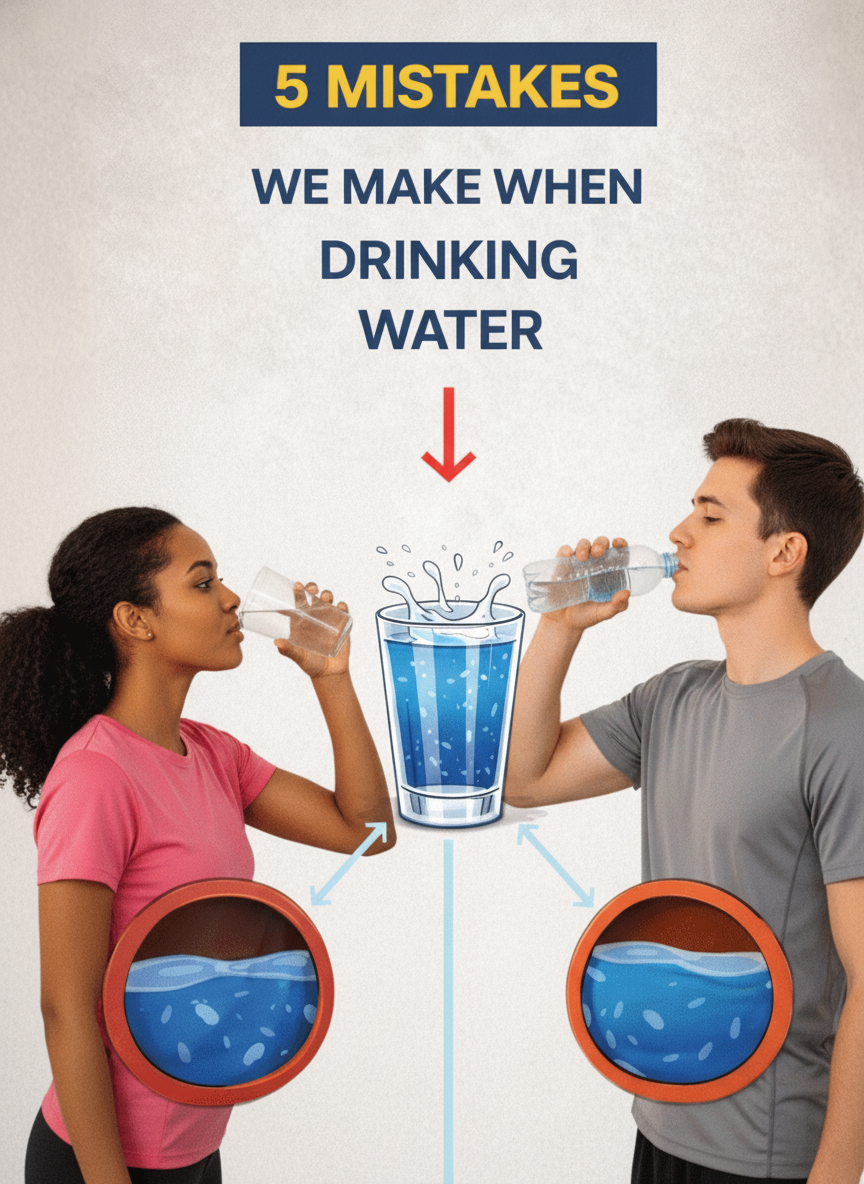
While a quick gulp might seem efficient, rapidly downing large amounts of water can overwhelm your digestive system. Health experts, including those at the Mayo Clinic, suggest that fast intake can lead to swallowing air, contributing to uncomfortable bloating. Instead of gradually nourishing your cells, water rushes through, diminishing its benefits. Furthermore, chugging water right after meals can temporarily dilute stomach acids, potentially impacting digestion.
How to Hydrate Better:
- Sip Slowly: Take small, deliberate sips throughout the day.
- Set Reminders: Use your phone to prompt hourly sips of a few ounces.
- Mindful Drinking: Hold the glass and count to three between sips, use a straw to control flow, or pair with deep breaths. This practice enhances overall hydration awareness.
2. Drinking Only When Thirsty
Thirst is your body’s signal, but waiting for it exclusively means you’re already mildly dehydrated. Before full-blown thirst kicks in, you might experience subtle signs like dry mouth, headaches, or a dip in energy and focus, as noted by the National Institutes of Health. Proactive, consistent sipping is key to preventing these energy slumps, a strategy well-understood by athletes and active individuals.
How to Hydrate Better:
- Regular Intervals: Aim to drink water at regular times, like with meals or during breaks.
- Track Your Intake: Use an app or simply keep a mental tally to understand your patterns.
- Stay Visible: Keep a reusable water bottle within sight on your desk or in your bag.
- Make it Appealing: Infuse water with fruits like lemon, cucumber, or berries for added appeal.
- Link to Routines: Hydrate after checking emails, before a meeting, or upon waking up.
3. Blindly Following the “Eight Glasses a Day” Rule
The popular advice to drink eight glasses daily sounds straightforward, yet it’s not a universal mandate. Your hydration needs are unique, influenced by factors like age, activity level, and climate. The Institute of Medicine suggests that men typically need around 13 cups and women 9 cups of fluid daily from all sources – including food, not just plain water. Overhydrating without listening to your body can lead to unnecessary bathroom trips or, in extreme cases, electrolyte imbalances.
How to Hydrate Better:
- Listen to Your Body: Adjust intake based on how you feel and your activity levels.
- Monitor Urine Color: Pale yellow usually indicates good hydration; darker urine suggests you need more water.
- Personalize Your Goal: A general guideline is to drink roughly half your body weight in ounces daily (e.g., a 150-pound person aims for 75 ounces).
- Account for Activity: Increase intake for exercise, hot weather, or illness to compensate for fluid loss.
- Eat Your Water: Incorporate hydrating foods like watermelon, oranges, cucumbers, and leafy greens.
4. Exclusively Opting for Ice-Cold Water
While ice-cold water can be incredibly refreshing, especially on a hot day, making it your only choice can be counterproductive. Some principles, including those from Ayurveda and supported by modern observations, suggest that very cold water can constrict blood vessels in the stomach, potentially slowing digestion. Warmer, room-temperature water, conversely, may aid absorption and is less of a shock to your system, particularly in cooler climates or when waking up.
How to Hydrate Better:
- Experiment: Discover the water temperature that feels best for your body and specific situations.
- Start Warm: Begin your day with a glass of lukewarm water for a gentle digestive wake-up.
- Room Temperature: Let tap water sit for a while to reach room temperature, or use insulated bottles to maintain your preferred warmth.
- Flavor Naturally: Add herbs like mint, a slice of ginger, or a lemon wedge for taste without chilling.
5. Drinking Large Amounts All At Once
Chugging a full bottle of water to satisfy immediate thirst isn’t the most effective strategy for sustained hydration. Consuming large volumes in one go can put a strain on your kidneys, often leading to frequent urination without your cells fully absorbing the fluid. The American College of Sports Medicine advises spreading your water intake throughout the day to allow for better distribution and absorption by your body’s tissues, much like how your body processes food better in smaller, more frequent meals.
How to Hydrate Better:
- Small, Consistent Amounts: Focus on drinking moderate amounts regularly rather than large volumes sporadically.
- Pace Yourself: Treat hydration like a marathon, not a sprint, ensuring a steady supply of fluids to your body.
- Pre-plan: Fill a larger bottle and aim to finish it gradually over several hours, refilling as needed.
The Unexpected Insight: Mindful Hydration is Key
The common thread weaving through all these mistakes is a lack of mindful attention to our body’s signals and processes. True hydration isn’t just about the quantity of water you drink, but how and when you drink it. By slowing down, listening to your internal cues, and adapting your habits, you move beyond mere consumption to a state of optimized, mindful hydration. This holistic approach ensures your body not only gets the water it needs but also utilizes it most effectively, leading to improved energy, digestion, and overall well-being.