 By admin
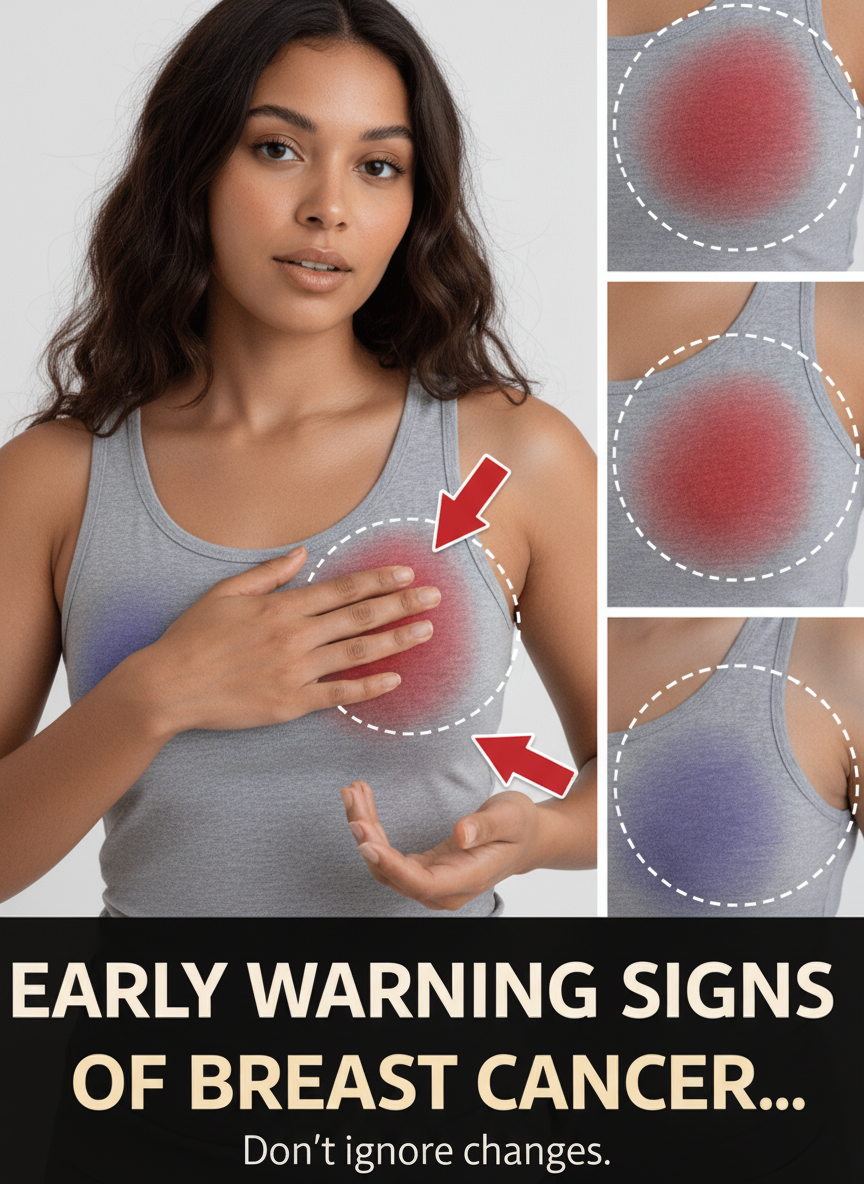
 Proactive Breast Health: 4 Early Indicators to Watch For and Simple Daily Habits for Enhanced Body Awareness
In the rush of daily life, it’s common for many individuals to overlook subtle changes that gradually appear in their breasts. Minor differences in texture, shape, or skin might seem easy to dismiss, especially when life is already demanding and full of distractions. This uncertainty can often lead to quiet apprehension. However, gaining a clear understanding of what’s typical for your own body can bring immense reassurance and clarity.
By adopting a few straightforward awareness practices and learning to identify early indicators, you can feel more confident and in control of your overall well-being. What’s more, a surprisingly simple routine can make maintaining this awareness easier than ever.
Why Prioritizing Breast Awareness is More Crucial Than You Might Think
Breast changes are a natural and inevitable part of life. Factors such as hormones, aging, pregnancy, and lifestyle choices can all influence how your breasts look and feel. Nevertheless, leading health organizations like the American Cancer Society and Mayo Clinic strongly emphasize that observing persistent or unusual alterations and discussing them with a healthcare professional can significantly contribute to earlier detection and more informed health decisions.
Here’s a comforting truth: The vast majority of breast changes are benign and quite common. Yet, familiarity with your own body empowers you to recognize when something deviates from your personal norm. And this heightened awareness? It stands as one of the most straightforward ways to remain proactive about your health. Let’s delve into four early breast changes that warrant your gentle attention.
1. A New Lump or Thickened Area That Feels Distinct
When the topic of breast health arises, lumps are often the first thing that comes to mind. However, not all lumps feel identical, and not every lump signals a serious concern. According to public health guidelines, a newly discovered lump or a region of thickening that feels different from the surrounding tissue is among the most frequently reported early changes. It might present as firm, soft, smooth, or irregular to the touch.
What this change can feel like:
- A small mass, roughly pea-sized or larger
- A dense patch that feels thicker than adjacent tissue
- A lump located in the underarm area
- A change that remains consistent throughout your menstrual cycle
Here’s the essential takeaway: Many lumps are attributed to cysts, hormonal fluctuations, or benign growths. However, if a new alteration persists for several weeks, it is prudent to have it evaluated by a medical professional. And that’s not all… Sometimes, changes are less about a distinct mass and more about the overall appearance of the breast.
2. Noticeable Shifts in Size, Shape, or Swelling
Breasts naturally evolve over time. Minor discrepancies between the left and right sides are entirely normal. Nevertheless, sudden or inexplicable changes in size, contour, or swelling—particularly if affecting only one breast—can be quite noticeable. Experts from Mayo Clinic point out that these shifts might include:
- One breast appearing larger than its usual size
- Swelling affecting a portion or the entirety of the breast
- A change in the breast’s outline or form
- A sensation of increased heaviness or fullness
Quick mirror self-check: Position yourself in front of a mirror and observe for:
- Any dimpling, pulling, or distortion
- Uneven positioning of the breasts
- Changes in appearance when raising your arms overhead
But here’s what many individuals frequently overlook… Because hormonal fluctuations can induce temporary changes, it’s easy to assume everything is normal. If asymmetry or swelling persists beyond your typical menstrual cycle, it’s certainly worth noting and discussing with a healthcare professional.
3. Skin Texture or Color Changes That Don’t Resolve
Your skin often provides vital visual cues about what’s occurring beneath its surface. Some early indicators can manifest on the breast skin itself, including:
- Dimpling or puckering
- Redness or darker, discolored patches
- Thickened skin or a distinctive “orange peel” texture
- Persistent irritation, rash, or flaking
Research summaries from reputable health organizations indicate that these changes can arise when underlying tissue affects the skin’s surface. Individuals frequently describe:
- A small indentation visible when lifting the arm
- Warmth or redness in a localized area
- Skin that appears textured or uneven
- Dry patches that do not improve with moisturizing lotions
Here’s the intriguing aspect: These signs are often painless. Due to the absence of discomfort, they can be easily overlooked or attributed to factors like dry weather or clothing irritation. However, recognizing persistent changes is key to staying informed about your body and seeking timely advice.
4. Nipple Changes or Unusual Discharge
The appearance of nipples can naturally alter with age or hormonal cycles. However, sudden or atypical changes warrant careful attention. According to health information from the CDC, signs to be particularly aware of include:
- A nipple unexpectedly turning inward (inversion)
- Persistent tenderness or increased sensitivity
- Scaling, crusting, or a rash around the nipple
- Discharge that is not related to breastfeeding
Types of discharge to note:
- Clear or watery
- Bloody
- Pus-like
Empowering Daily Habits for Breast Self-Awareness
Staying body-aware doesn’t require complex routines. Integrating simple habits into your daily or weekly life can make a significant difference in your proactive health journey. Here’s how you can easily stay tuned into your breast health:
- Regular Self-Checks: While formal monthly self-exams are no longer universally recommended as the sole screening method, regularly looking at and feeling your breasts (e.g., in the shower or while getting dressed) helps you learn what’s normal for you.
- Know Your “Normal”: Pay attention to how your breasts typically look and feel throughout your menstrual cycle, if applicable. This personal baseline is your most powerful tool for detecting deviations.
- Don’t Hesitate to Consult: If you notice any persistent or unusual changes, even if seemingly minor or painless, schedule an appointment with your healthcare provider. Trust your instincts.
- Maintain a Healthy Lifestyle: A balanced diet, regular exercise, and limiting alcohol intake contribute to overall health, which in turn supports breast health.
- Stay Informed: Educate yourself about risk factors and recommended screening guidelines based on your age and personal health history.
By incorporating these simple, consistent practices, you empower yourself with knowledge and vigilance, making proactive breast health an integral part of your daily routine.