 By admin
 Vaseline and Baking Soda for Hands: Unpacking the Truth, Risks, and a Better Path to Soft Skin
Dry, rough hands are a common complaint, making daily activities uncomfortable and often betraying our age, especially with constant exposure to environmental factors, frequent washing, and household tasks. The persistent dryness and uneven texture can be a source of frustration. Many turn to popular DIY solutions, and the combination of Vaseline and baking soda is one such trend gaining traction for achieving softer hands. However, before embracing any home remedy, it’s crucial to understand the complete picture. Join us as we delve into the facts, potential pitfalls, and reveal a surprisingly effective, safer approach that could transform your hand care routine.
What Is the Vaseline and Baking Soda Hand Routine All About?
You’ve likely encountered viral social media posts showcasing remarkable transformations of hands using a straightforward mixture of Vaseline and baking soda. This trending DIY method involves creating a paste from these two common household staples, applying it to the hands, and frequently leaving it on overnight, promising incredibly soft results. But what’s the rationale behind this practice? It stems from the individual properties attributed to each component. Vaseline, a well-known brand of petroleum jelly, has been a cornerstone in skincare for over a century due to its occlusive nature. Baking soda, or sodium bicarbonate, is widely recognized for its uses in baking and cleaning. Typically, the routine suggests blending equal parts, rubbing the concoction onto the hands, and then covering them with plastic wrap or gloves for several hours. Proponents often claim this blend offers both exfoliation and deep moisturization. But how much of this is substantiated? Let’s investigate further.
Scientific understanding confirms that petroleum jelly forms an effective occlusive barrier, which significantly helps the skin retain its natural moisture. Baking soda, on the other hand, possesses mild abrasive qualities capable of sloughing off dead skin cells. However, that’s not the entire narrative. Combining these two isn’t a groundbreaking discovery; it’s more accurately described as a widely shared internet hack. While it might provide a fleeting sensation of effectiveness, there are important nuances to consider for long-term skin health.
Potential Benefits of Using Vaseline and Baking Soda on Hands
Let’s first acknowledge why many users report positive outcomes with this mixture, and the underlying logic that might explain its temporary efficacy. Firstly, Vaseline’s robust moisturizing capabilities are extensively documented. It creates a protective layer on the skin’s surface, effectively preventing moisture loss and aiding in overall hydration. Research, including various dermatological studies, consistently highlights its role in maintaining skin moisture, particularly after minor skin damage or periods of dryness. Baking soda contributes an exfoliating dimension. Its fine granular texture can gently buff away rough patches, much like its application in various homemade facial and body scrubs. Some proponents also suggest baking soda’s mild antibacterial properties might offer benefits for minor superficial skin issues. When combined, this duo might indeed leave hands feeling noticeably smoother immediately after application. Users frequently describe a “soft” feeling post-rinse, a result attributed to the combined effect of exfoliation followed by the occlusive barrier. Here’s a brief overview of the commonly reported advantages:
- Instant Smoothness: The gentle scrubbing action helps remove superficial dead skin and buildup.
- Hydration Boost: Vaseline effectively seals in existing moisture, enhancing skin plumpness.
- Accessibility and Cost-Effectiveness: Both ingredients are inexpensive and readily available in most households.
- Overnight Convenience: Applying the mixture before bed easily integrates into busy schedules.
However, it’s crucial to underscore that these perceived benefits are largely anecdotal. There are no extensive, peer-reviewed studies specifically endorsing this precise combination for hand care. This is where the discussion becomes more complex. While a sensation of improvement might be immediate, not every seemingly harmless home remedy is ideal for sustained, long-term skin health.
The Possible Risks and Downsides to Watch For
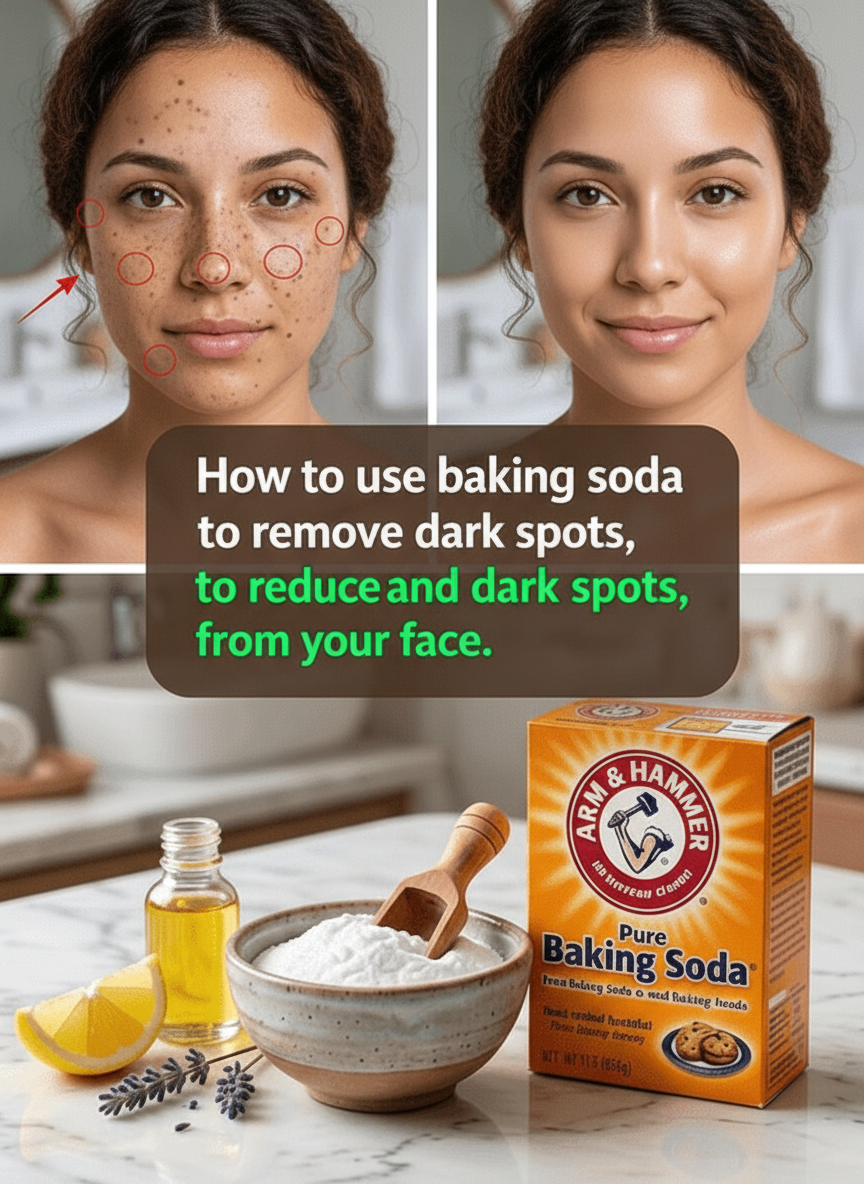
Now, let’s address the potential downsides. Every skincare trend, especially DIY ones, carries inherent risks, and this particular hack is no exception. A primary concern revolves around baking soda’s highly alkaline pH, typically around 9. In stark contrast, healthy skin maintains a slightly acidic pH, ideally between 4.5 and 5.5. Direct and prolonged application of an alkaline substance like baking soda can significantly disrupt this delicate balance, potentially leading to increased dryness, irritation, and even compromising the skin’s natural protective barrier over time. Discussions within prominent skincare communities and expert advice frequently caution against using baking soda on the skin due to these very risks. Vaseline itself is widely considered safe and beneficial; dermatological experts, including those at reputable institutions like the Mayo Clinic, often recommend it for relieving dry skin. However, when mixed with an abrasive agent like baking soda, it can inadvertently trap these granular particles against the skin, potentially causing microscopic tears or exacerbating clogged pores. Furthermore, extended overnight use, particularly under occlusion (like gloves), can lead to over-moisturization, where the skin becomes excessively damp and susceptible to breakdown, a condition medically known as maceration. Other significant concerns include:
- Irritation for Sensitive Skin: Individuals with pre-existing conditions such as eczema, dermatitis, or generally sensitive skin may experience severe flare-ups, redness, or itching.
- Potential Allergic Reactions: Though uncommon, impurities in non-purified petroleum jelly products or individual sensitivities could trigger adverse reactions.
- Lack of Long-Term Efficacy: This method often fails to address the root causes of chronic dryness, such as frequent handwashing, harsh soaps, or environmental exposure, offering only superficial, temporary relief.
- Hygiene Risks: Sealing hands for hours, especially if not thoroughly cleaned beforehand, can create a warm, moist environment conducive to bacterial or fungal growth.
Understanding these potential risks is vital for making informed decisions about your hand care.
A Safer Overnight Routine for Softer Hands
Given the potential risks associated with the Vaseline and baking soda mixture, a safer, more sustainable approach is highly recommended for achieving and maintaining soft, hydrated hands. The key lies in supporting your skin’s natural barrier without causing irritation or disrupting its pH.
- Gentle Cleansing: Start by washing your hands with a mild, pH-balanced cleanser (not harsh soap) and lukewarm water. Pat them dry gently, leaving them slightly damp.
- Apply a Rich Emollient: While still damp, generously apply a thick, fragrance-free hand cream or ointment. Look for products containing ingredients like ceramides, hyaluronic acid, glycerin, shea butter, or even plain petroleum jelly (like Vaseline, on its own) or lanolin. These ingredients effectively hydrate and create a protective barrier.
- Layer for Enhanced Absorption (Optional): For severely dry hands, consider applying a thin layer of a humectant serum (like one with hyaluronic acid) before your rich cream to draw more moisture into the skin.
- Occlusion with Cotton Gloves: Immediately after applying your chosen moisturizer, put on a pair of clean, breathable cotton gloves. These gloves help seal in the moisture, prevent the product from rubbing off, and allow the ingredients to penetrate more effectively overnight without the risks of plastic wrap.
- Consistency is Key: Make this routine a nightly ritual. Regular application of nourishing moisturizers will yield far better and safer long-term results than abrasive DIY hacks.
This dermatologist-approved method focuses on gentle hydration and barrier support, ensuring your hands become genuinely soft and healthy over time, without exposing them to unnecessary risks.
Conclusion
In conclusion, while the allure of quick fixes like the Vaseline and baking soda hand routine is understandable, it’s essential to approach such DIY remedies with caution. While some temporary benefits might be observed due to the individual properties of these ingredients, the potential for skin barrier disruption, irritation, and other adverse effects, particularly from baking soda’s alkalinity, outweighs the anecdotal advantages. Prioritizing skin health means opting for evidence-based practices. By embracing a gentle, consistent moisturizing routine, perhaps enhanced with overnight cotton gloves, you can achieve truly soft, healthy hands without compromising their delicate balance. Always remember, informed choices lead to lasting results in skincare.