 By admin
 Navigating Early Menopause: 10 Subtle Signs to Recognize and Essential Wellness Strategies
While menopause typically occurs in a woman’s late 40s or early 50s, experiencing its onset earlier can be a source of confusion and unease. Slight shifts in mood, sleep patterns, or menstrual cycles are often dismissed as mere stress, the natural process of aging, or simply a temporary ‘off’ period. However, when these subtle indicators accumulate, they can significantly impact your energy levels, personal relationships, and self-assurance in ways that become increasingly difficult to overlook. The encouraging news is that gaining insight into the characteristics of early menopause—and adopting supportive lifestyle practices—can offer much-needed clarity and peace of mind. We’ll also delve into a widely underestimated daily routine towards the end of this article, which many women discover to be remarkably empowering.
What Is Early Menopause?
Defining early menopause involves the cessation of menstrual periods before the age of 45. Should this transition occur even earlier, specifically before age 40, it is then termed premature menopause. Leading health organizations and extensive research universally define menopause as 12 consecutive months without a menstrual period, a result of significant natural hormonal fluctuations, predominantly a reduction in estrogen and progesterone levels. Crucially, this biological shift is not an instantaneous event. The phase preceding full menopause, known as perimenopause, is typically when the initial, often subtle, symptoms begin to manifest. It is during this time that many women start to question: ‘Are these changes normal, or is something more significant underway?’
Why Early Menopause Can Happen
Several factors are associated with the onset of early menopause, as indicated by scientific research. These potential contributors include:
- Family history: A strong genetic predisposition often plays a significant role.
- Smoking: Tobacco use has been linked to earlier menopausal transition.
- Certain autoimmune conditions: Disorders where the immune system attacks the body’s own tissues.
- Previous medical treatments impacting the ovaries: Such as chemotherapy or radiation therapy.
- Surgical removal of the ovaries (oophorectomy): This directly induces menopause.
Occasionally, no discernible cause for early menopause is identified, which can understandably lead to feelings of frustration. Nevertheless, being aware of these early menopause signs empowers you to make proactive lifestyle adjustments and engage in confident, informed discussions with your healthcare professional.
10 Early Menopause Signs to Watch Out For
Let’s explore the most prevalent indicators of early menopause, ranging from the more obvious to the remarkably subtle.
1. Irregular Periods
Often, the initial sign of perimenopause is a noticeable alteration in your menstrual cycle. You might observe:
- Shorter intervals between periods.
- Extended gaps separating menstrual flows.
- Variations in flow, becoming either heavier or lighter.
- Completely missed months.
However, the changes aren’t always dramatic. Even if your cycle seems superficially ‘normal,’ subtle shifts in timing or duration can indicate your body’s initial adjustments to fluctuating hormone levels.
2. Hot Flashes and Night Sweats
A quintessential early menopause symptom is the sudden sensation of warmth, often described as a flush, spreading across the chest, neck, and face. Related night sweats can profoundly impact your rest, potentially:
- Severely disrupting sleep quality.
- Leading to frequent awakenings throughout the night.
- Resulting in feelings of profound exhaustion upon waking.
Research consistently demonstrates that fluctuating estrogen levels directly affect the body’s thermoregulation system. The ripple effect of poor sleep, in turn, exacerbates other daily challenges.
3. Sleep Disturbances
Beyond night sweats, many women experience general sleep disturbances during perimenopause. These can include:
- Persistent difficulty initiating sleep.
- Waking unexpectedly in the early hours, such as 3 a.m., without a clear cause.
- Experiencing light, unrefreshing, or restless sleep.
It’s noteworthy that these sleep issues aren’t exclusively tied to night sweats. Hormonal changes, particularly those involving estrogen, can directly influence the production of melatonin and other crucial pathways governing healthy sleep cycles.
4. Mood Changes
Uncharacteristic mood changes, such as heightened irritability, increased anxiety, or sudden bouts of sadness, are common early menopause signs. These emotional shifts can be particularly disorienting if you haven’t previously experienced significant mood swings. Studies highlight estrogen’s vital role in modulating neurotransmitters like serotonin, which are essential for maintaining emotional equilibrium. The crucial point here is that if your emotional state feels altered, it reflects genuine physiological changes, not merely psychological ones.
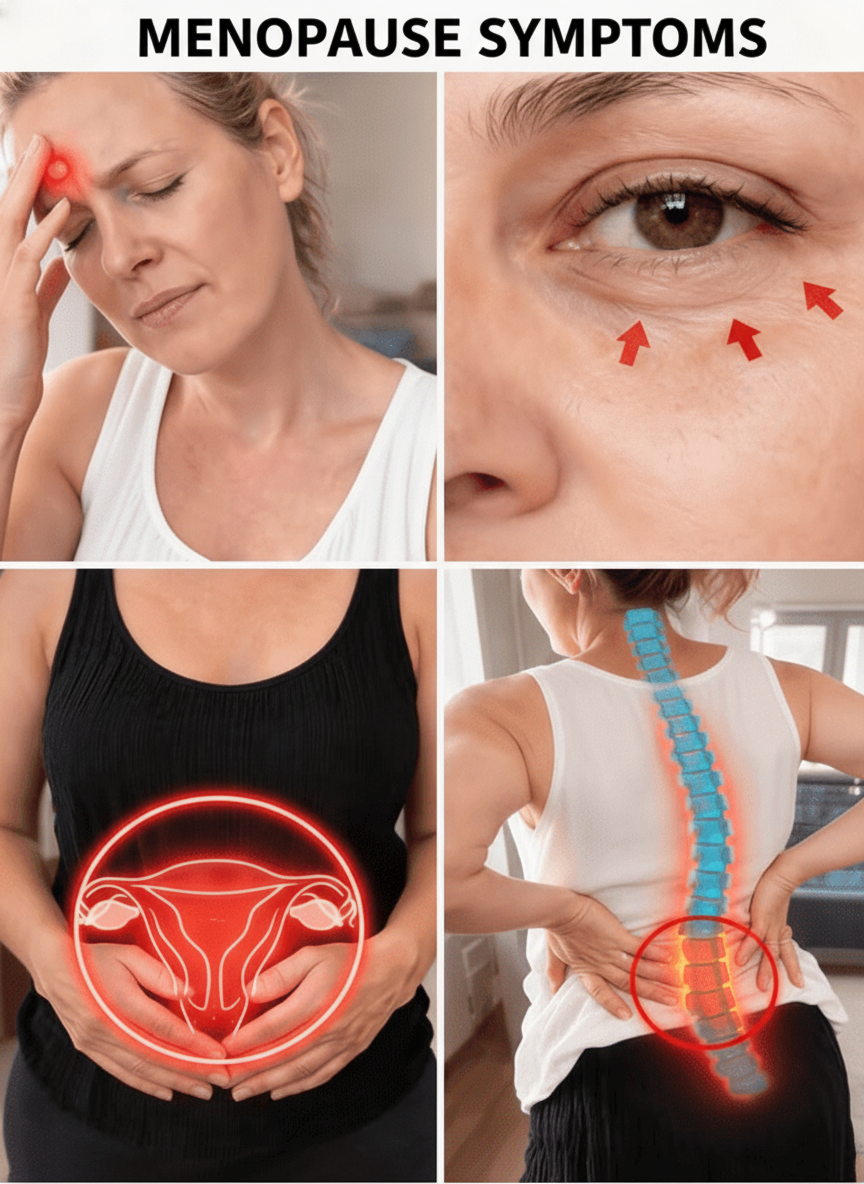
5. Vaginal Dryness or Discomfort
A decline in estrogen levels can result in the thinning and drying of vaginal tissues, a condition known as vaginal atrophy. This can manifest as:
- Discomfort or pain during sexual intimacy.
- Increased sensitivity or tenderness in the vaginal area.
- Recurrent irritation or itching.
While often a sensitive and overlooked subject, vaginal dryness is a widespread perimenopause symptom that is entirely manageable with appropriate supportive strategies and treatments.
6. Decreased Libido
Fluctuating hormone levels, particularly estrogen, can contribute to a decreased libido or a noticeable reduction in sexual desire. However, it’s important to recognize that libido is a multifaceted aspect of well-being, influenced by various interconnected factors, including:
- The quality and quantity of your sleep.
- Overall stress levels and how they are managed.
- The dynamics and health of your personal relationships.
Thus, a decline in libido is seldom attributable to a single cause during early menopause.
7. Changes in Skin and Hair
Many women notice alterations in their skin and hair as early menopause symptoms. These can include:
- Increased skin dryness and a lack of suppleness.
- Fine lines and wrinkles becoming more prominent.
- Noticeable thinning of hair or changes in its texture.
Estrogen plays a crucial role in maintaining collagen production and skin elasticity. As these hormone levels shift, the skin’s texture and appearance may gradually evolve. Encouragingly, consistent healthy lifestyle habits can still significantly bolster skin and hair resilience.
8. Brain Fog
Experiencing brain fog, characterized by difficulty concentrating, struggling to recall words, or a general sense of mental haziness, can be particularly unsettling. Women frequently report:
- Losing their train of thought mid-conversation.
- Forgetting important appointments or tasks.
- A noticeable slowing of mental processing speed.
Research indicates that estrogen is instrumental in supporting cognitive sharpness and memory function. Therefore, experiencing temporary mental fog during perimenopause is a common and recognized symptom.
9. Joint or Muscle Discomfort
Many women in perimenopause begin to experience new or increased joint and muscle discomfort. These aches, which may not have been present before, often include:
- Morning stiffness, particularly in the hands or feet.
- Mild, generalized joint discomfort.
- A perceived reduction in overall flexibility.
Hormones, including estrogen, play a role in regulating inflammatory pathways within the body, and their fluctuations can contribute to these physical sensations.
10. Weight Gain and Metabolism Changes
While not always immediately recognized as a direct sign, weight gain, particularly around the abdomen, and shifts in metabolism are frequently reported during early menopause and perimenopause. Hormonal changes can influence how the body stores fat and processes energy, even if diet and exercise habits remain consistent. This can lead to:
- An increase in abdominal fat.
- Difficulty losing weight.
- Changes in how your body responds to exercise.
Understanding these metabolic shifts is crucial for adapting lifestyle choices to support overall well-being. By recognizing these signs and embracing proactive health habits, women can navigate the transition of early menopause with greater confidence and vitality.
”
}
“`