 By admin
 9 Supplements That Demand Caution: Safeguarding Your Liver and Kidney Health
Millions globally incorporate vitamins and herbal preparations into their daily routines, often assuming these “natural” products are inherently benign. However, a less comfortable reality exists: your liver and kidneys are the primary organs responsible for metabolizing everything you consume, including dietary supplements. These crucial organs can face undue stress and become overburdened without immediate, overt symptoms. Over extended periods, even readily available over-the-counter supplements might impose an unforeseen burden on these essential bodily systems. The positive news? Empowering yourself with accurate information and adopting judicious practices can significantly enhance your protection – and we’ll reveal a crucial, often-missed step towards the conclusion of this guide.
Why Prioritizing Liver and Kidney Health is Paramount
Your liver performs as your body’s sophisticated biochemical hub. It meticulously breaks down vital nutrients, purifies various substances, and assists in eliminating metabolic waste. Concurrently, your kidneys function as highly efficient filtration systems, maintaining electrolyte balance and expelling toxins via urine. A fundamental principle to grasp is this: every single item you ingest – be it pharmaceuticals, herbal remedies, protein powders, or encapsulated vitamins – necessitates processing by these two indispensable organs. Furthermore, an important distinction lies in oversight: unlike prescription drugs, many dietary supplements do not undergo the identical rigorous regulatory scrutiny before they become available to consumers. This isn’t to imply inherent danger, but rather to underscore the critical importance of making informed decisions regarding their consumption.
9 Supplements That May Require Extra Prudence
Let’s delve into some commonly utilized vitamins and herbal products that research suggests warrant careful consideration, especially when taken in high dosages or for prolonged durations.
1. Vitamin A (In High Doses)
While crucial for optimal vision and robust immune system function, Vitamin A is a fat-soluble vitamin, meaning it can accumulate within the body’s tissues. Prolonged or excessive consumption can exert undue stress on the liver. Research indicates that persistent high-dose supplementation may be associated with various hepatic abnormalities. To minimize risks, adhere strictly to the recommended daily allowance unless a healthcare provider advises otherwise.
2. Niacin (Vitamin B3) in Significant Quantities
Niacin, or Vitamin B3, is frequently promoted for its cardiovascular benefits. Nevertheless, ingesting this vitamin in substantial amounts, especially in sustained-release formulations, has been linked in certain studies to potential liver irritation or damage. A common oversight is that even non-prescription dosages can vastly exceed the body’s actual daily needs.
3. Concentrated Green Tea Extract
Consuming green tea as a beverage is widely recognized as safe and beneficial. In contrast, highly concentrated green tea extract supplements have, in isolated instances, been connected to hepatic strain, particularly when consumed in elevated dosages. The crucial distinction lies in the concentration: the compounds in a typical cup of tea are far less potent than those found within a single capsule of extract.
4. Kava
Kava, an herb traditionally utilized for its calming properties, has been the subject of numerous reports linking its heavy or extended supplemental use to significant liver concerns. Consequently, regulatory bodies in several nations have imposed restrictions or outright bans on its commercial distribution.
5. Comfrey
Comfrey is an herbal preparation sometimes found in teas or dietary supplements. It naturally contains compounds called pyrrolizidine alkaloids, which studies have unequivocally associated with liver damage when ingested. While topical application may pose different risks, internal consumption of comfrey demands extreme caution due to its hepatotoxic potential.
6. High-Dose Vitamin D
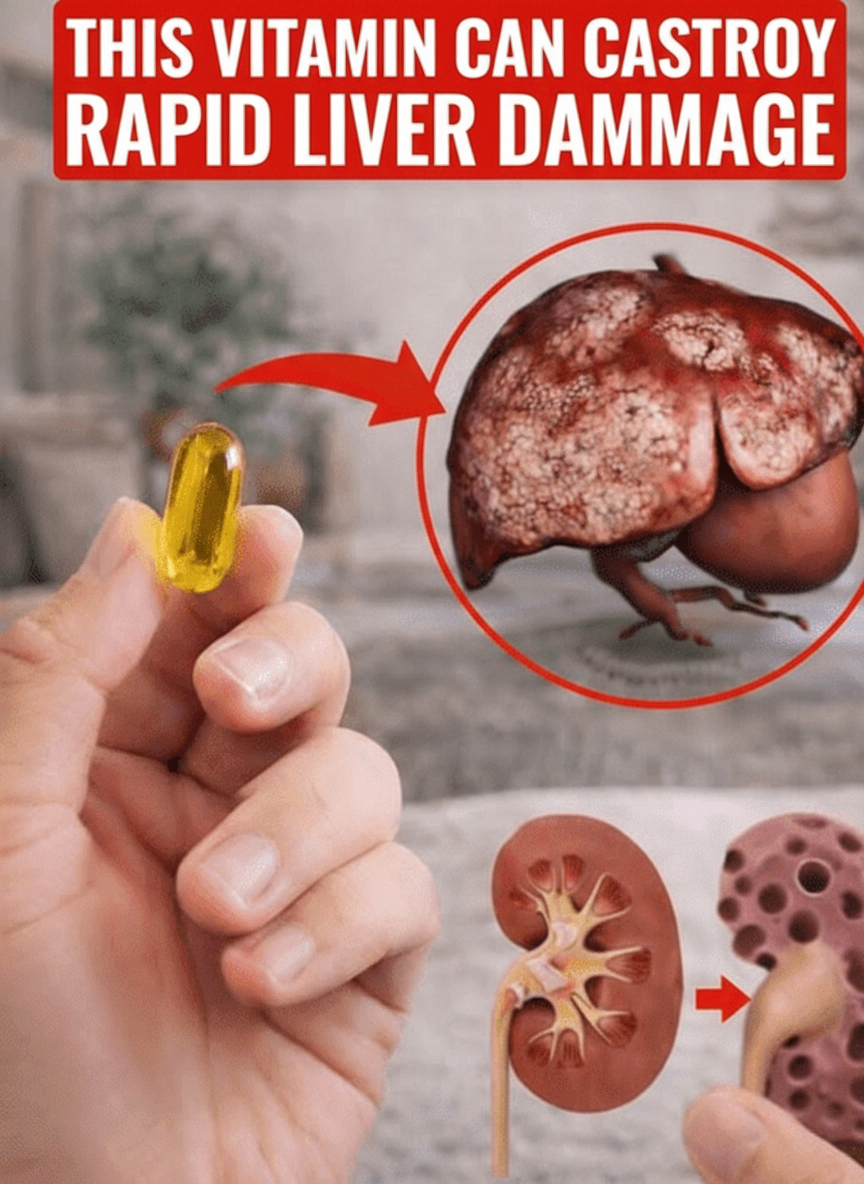
Vital for robust bone health, Vitamin D, when supplemented in excessive amounts over extended periods, can lead to hypercalcemia (elevated calcium levels). This condition, in turn, can impose considerable stress on the kidneys. This particular risk is amplified for individuals who are already managing pre-existing renal conditions.
7. Protein Supplements (Excessive Consumption)
Protein powders and supplements are ubiquitous within the fitness community. For otherwise healthy individuals, a balanced, moderate intake generally poses no risk. Nevertheless, consuming protein in quantities far exceeding daily requirements, especially for those with existing kidney concerns, can significantly escalate the workload on these organs. It’s a clear case where “more” does not equate to “better” for your renal system.
8. Creatine (In Elevated Dosages)
Creatine remains a highly favored supplement among athletes aiming to enhance performance. Scientific research largely affirms its safety when consumed at recommended dosages by healthy adults. Yet, consistently high doses or prolonged use without professional oversight may be unsuitable for all individuals, particularly those with pre-existing kidney ailments. Prudent monitoring and medical consultation are crucial.
9. Herbal Blends with Ambiguous Ingredients
This category presents a particularly complex challenge. Numerous multi-herbal formulations often contain components that are either not fully disclosed or have undergone insufficient scientific scrutiny. Potential hazards include product contamination, inaccurate labeling, or adverse interactions with other medications or supplements. Various regulatory assessments consistently highlight significant discrepancies in product quality across different manufacturers. Consequently, ingredient transparency and rigorous quality control are paramount.
Understanding Vitamin Solubility: A Quick Overview
To further contextualize supplement risks, it’s helpful to understand the basic difference between fat-soluble and water-soluble vitamins:
| Vitamin Type | Common Examples | Accumulates in Body? | Specific Caution Needed? |
|---|---|---|---|
| Fat-Soluble | Vitamins A, D, E, K | Yes, stored in fatty tissues and the liver. | Higher risk of toxicity with excessive intake. |
| Water-Soluble | B-complex vitamins, Vitamin C | Generally, excess is excreted via urine. | While typically safer, very high “mega-doses” can still lead to adverse effects. |
Even though water-soluble vitamins are typically flushed from the body, consuming them in extremely high “mega-doses” can still overwhelm your system and lead to unforeseen health complications.
The Overlooked Step: Prioritizing Professional Guidance
In conclusion, while many supplements offer genuine health benefits, their “natural” label doesn’t equate to automatic safety, particularly concerning your liver and kidney health. The single most crucial, yet often overlooked, step in your supplement journey is proactive consultation with a qualified healthcare professional. Before initiating any new supplement regimen, especially if you have pre-existing health conditions or are taking other medications, seek personalized advice. A doctor, dietitian, or pharmacist can assess your individual needs, potential interactions, and guide you toward safe and effective choices, ensuring the well-being of your vital organs.