 By admin
 Are you tired of the relentless, burning pain that an ulcer brings, wondering why it just won’t heal despite your best efforts? Here’s a hard truth: medication alone is often not enough to mend an open wound.
Your dietary choices—specifically what you consume and when you eat—play a far more critical role in determining whether your ulcer genuinely recovers or remains a persistent, recurring problem.
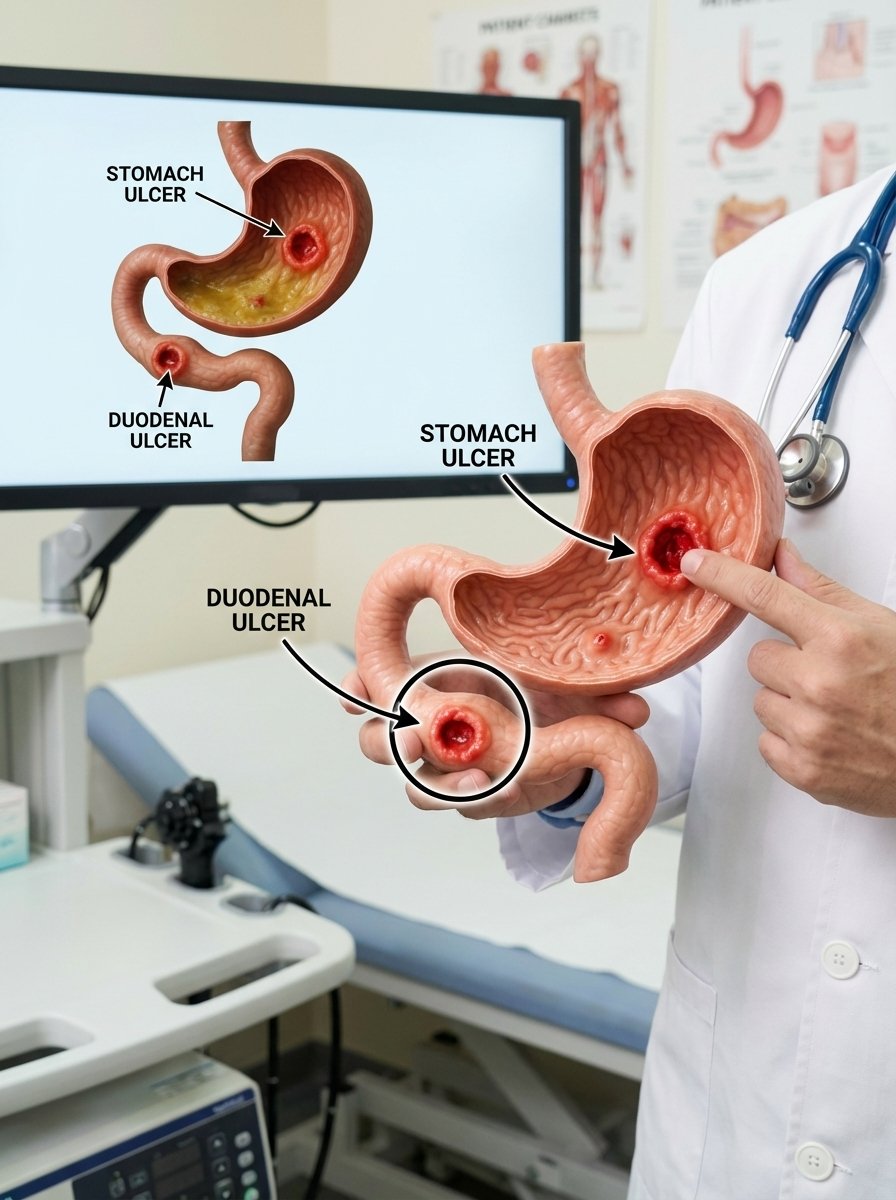
Remember, an ulcer is essentially an open sore located within your stomach or the upper part of your small intestine (duodenum).
If this sensitive wound is subjected to continuous irritation, no amount of medicine can completely resolve the underlying issue.
If you fail to provide your digestive system with the optimal environment and sufficient time needed for recovery, then the frustrating cycle of recurring pain and discomfort should come as no surprise.
We’ve compiled a list of the most prevalent foods and lifestyle habits that are actively hindering your ulcer from healing.
1. Milk 🥛 (The #1 Ulcer Myth You Need To Stop Believing)
Many individuals instinctively reach for milk, believing it will soothe their ulcer pain. Indeed, it often provides a comforting sensation initially because it can momentarily neutralize stomach acid, offering a brief reprieve.
However, this temporary relief masks a significant underlying issue:
-
Milk is rich in protein, fat, and calcium
-
These components actively stimulate your stomach to produce an even greater amount of acid later on
-
This often leads to severe acid spikes during the night, resulting in intensified pain and discomfort
This explains the common experience where people feel better right after consuming milk, only to wake up hours later with dramatically worsened ulcer symptoms.
👉 The bottom line: Milk does not contribute to ulcer healing; in fact, it can significantly impede your recovery process.
2. NSAIDs (The Painkillers Secretly Wrecking Your Stomach)
Common over-the-counter and prescription medications such as:
-
Ibuprofen
-
Diclofenac
-
Aspirin (even low-dose daily regimens)
are notoriously potent triggers for ulcer formation, especially when consumed:
-
Without food or on an empty stomach
-
On a regular or frequent basis
-
Without adequate stomach protection
Now, consider the profound impact of taking these very same medications when an ulcer is already present and actively trying to heal.
👉 If you are suffering from an ulcer, NSAIDs possess the dangerous ability to re-injure the delicate stomach lining, preventing closure and dramatically impeding the healing process. They should be strictly avoided unless explicitly prescribed and managed by a healthcare professional.
3. Very Hot or Very Cold Foods & Drinks ❄️🔥 (The Temperature Trap)
It might seem counterintuitive, but foods and beverages consumed at extreme temperatures can significantly irritate the already sensitive stomach lining.
-
Piping hot tea, coffee, or steaming soups can inflame the vulnerable ulcer site, causing immediate discomfort.
-
Similarly, ice-cold water or chilled beverages can trigger sudden spasms and irritation in the stomach.
While individual sensitivities vary, a substantial number of ulcer patients report experiencing instantaneous symptom flare-ups after consuming items at either end of the temperature spectrum.
👉 To promote optimal healing and minimize discomfort, it’s best to consume foods and drinks at lukewarm or room temperature during your recovery period.
4. Chocolate 🍫 (Your Sweetest Enemy)
While a beloved treat for many, chocolate—particularly darker varieties or those containing caffeine—can be a significant irritant for ulcers. Here’s why:
-
It has the potential to dramatically increase stomach acid production
-
It can cause the lower esophageal sphincter (the valve between your stomach and esophagus) to relax, leading to reflux
-
These effects combine to exacerbate existing burning sensations and overall pain
Although some individuals might tolerate minimal quantities, it is strongly recommended to completely avoid chocolate during the crucial period of active ulcer healing.
5. Late-Night Eating 🌙 (The Midnight Menace)
One of the most insidious and often overlooked contributors to ulcer pain is the habit of eating too close to bedtime. This practice is a major trigger for excruciating nighttime pain and persistent heartburn.
Consuming any food—even seemingly “light” or “healthy” options—within a crucial three-hour window before you lie down to sleep creates a perfect storm for discomfort:
-
It dramatically triggers increased acid production precisely when you are lying flat, allowing acid to pool around the ulcer.
-
This often results in a peak of severe pain and burning sensations around midnight or in the early morning hours.
This fundamental habit directly explains why so many ulcer sufferers find themselves abruptly waking up with intense, burning pain during the night.
👉 To safeguard your healing and ensure restful sleep, make it a strict rule to finish your last meal or snack at least three hours before you go to bed.
6. Fatty & Fried Foods 🍟 (The Gut Grinders)
Deep-fried and excessively fatty foods are notoriously difficult for your digestive system to process efficiently.
This digestive challenge leads to a detrimental cascade:
-
Your stomach is forced to produce significantly more acid than usual to break down these heavy meals.
-
This excess acid then continuously bathes and irritates the ulcerated wound, preventing it from scabbing over and healing.
It’s a common oversight, yet many individuals are left puzzled why their persistent ulcer pain seems to have no end.
👉 Simply put, rich, oily, and fried foods perpetuate a cycle where your ulcer remains constantly irritated, inflamed, and unable to recover.
Why Your Ulcer Feels Like a Never-Ending Battle
The frustrating reality is that ulcers struggle to heal, or worse, frequently recur, under specific conditions:
-
When stomach acid relentlessly attacks the delicate wound, preventing closure.
-
If the stomach lining remains in a constant state of inflammation and distress.
-
When detrimental food choices and habits actively counteract and nullify the positive effects of prescribed medication.
True, lasting healing is a delicate process that demands a concerted effort to achieve reduced acid levels, minimal irritation, and sufficient time for the tissue to regenerate.
While medication undoubtedly plays a supportive role, the ultimate success of your recovery hinges overwhelmingly on the daily choices and habits you adopt.
The Unvarnished Truth About Ulcer Healing
If your genuine desire is for your ulcer to achieve complete and lasting healing, it’s imperative to take proactive steps:
-
Diligently avoid all foods and beverages known to stimulate increased stomach acid production.
-
Cease engaging in habits that persistently irritate and inflame your stomach lining.
-
Provide the open wound with the undisturbed environment and ample time it truly needs to properly close and mend.
Failing to acknowledge and eliminate these critical triggers means you risk a frustrating cycle where your ulcer might temporarily heal one day, only to painfully reopen the very next.
Complete and sustained healing from an ulcer is absolutely within reach—but only if you commit to ending the behaviors that are actively fueling and perpetuating the problem.