 By admin
 Your Tongue’s Silent Warnings: Decoding Its Health Signals
Imagine a subtle health indicator that renews itself daily, offering clues about your well-being with just a glance. This isn’t a futuristic gadget; it’s your tongue. Often overlooked, its color and texture can be a powerful mirror reflecting hydration, nutrition, oral hygiene, and even deeper systemic balances.
While a fleeting change might be harmless, persistent shifts in your tongue’s appearance could be a gentle nudge—or a firm warning—to adjust your daily habits before minor issues evolve into significant health concerns. Learning to interpret these signals empowers you to take proactive steps towards better health.
The Picture of Health: What a ‘Normal’ Tongue Looks Like
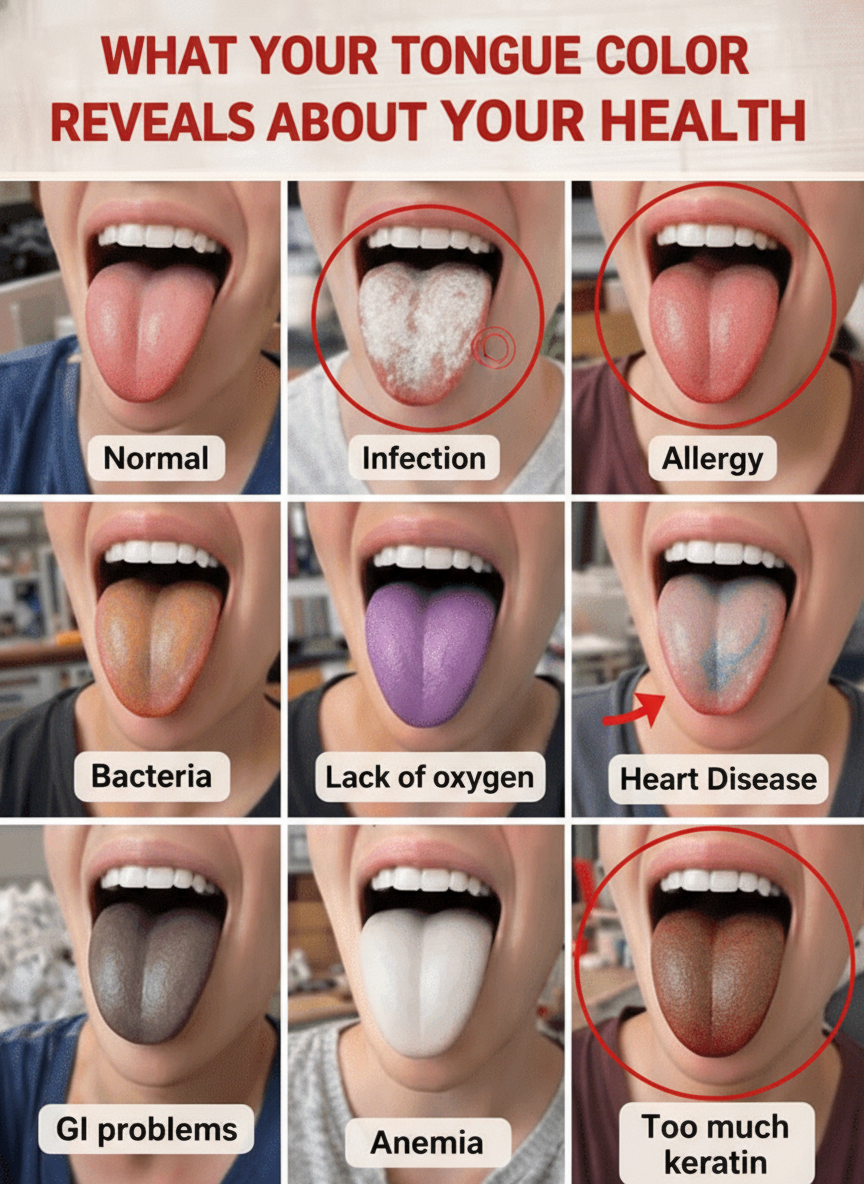
A healthy tongue is typically characterized by a soft, light pink hue, a moist surface, and a covering of tiny bumps called papillae. These papillae are essential for taste and aid in food movement. When medical professionals examine the mouth, the tongue is often the first stop, offering a quick snapshot of overall wellness.
Key indicators of a healthy tongue include:
- Soft Pink Color: A consistent, natural pink tone.
- Slight White Coating: A thin, almost translucent film from normal bacteria and dead cells.
- No Cracks, Swelling, or Unusual Patches: A smooth, even surface without discomfort.
Oral medicine research confirms that the tongue’s appearance is dynamic, influenced by hydration, diet, hygiene, and certain medications. Its constant renewal means temporary changes often resolve with improved habits. However, any persistent or concerning alterations warrant closer attention.
When Your Tongue Speaks: Decoding Common Color Changes
White Tongue: More Than Just a Coating
A white-coated tongue is one of the most frequently observed changes. This appearance arises when bacteria, dead cells, and food debris accumulate on the tongue’s surface, creating a thicker white layer.
Potential contributing factors include:
- Poor oral hygiene
- Chronic dry mouth (xerostomia), often due to medications (e.g., for blood pressure or allergies)
- Smoking or excessive alcohol consumption
- Certain medications
- Fungal overgrowth, such as oral thrush (candidiasis)
For many, simple daily adjustments can make a significant difference:
- Increase daily water intake to combat dry mouth.
- Gently clean your tongue with a dedicated tongue scraper.
- Maintain regular dental check-ups and practice thorough oral hygiene.
Most cases of white tongue are mild and reversible with improved hygiene practices.
Bright Red Tongue: A Potential Nutritional Alert
A bright red, sometimes glossy or unusually smooth tongue (often termed ‘glossy tongue’), can signal underlying issues. This change can occur when the papillae flatten or disappear, making the surface appear shiny.
Possible contributors include:
- Vitamin Deficiencies: Especially B vitamins like B12 or folate, crucial for cell regeneration.
- Certain Infections: Such as strep throat or scarlet fever.
- Irritation: From highly spicy or acidic foods.
- Allergic Reactions: To foods, medications, or dental products.
While tongue color alone isn’t a diagnostic tool, it serves as a prompt to review your diet and nutritional intake. Incorporating foods rich in essential nutrients can support oral and overall health:
- Eggs, fish, and lean meats
- Leafy green vegetables (spinach, kale)
- Yogurt and other fermented foods
- Whole grains
A balanced diet often helps restore the tongue’s normal color and texture over time.
Purple or Bluish Tongue: A Call for Caution
A purple or bluish tint is less common and can be more concerning. This color change often suggests temporarily reduced oxygen circulation in the blood.
Potential reasons include:
- Exposure to extreme cold
- Circulatory issues
- Breathing difficulties or respiratory conditions
- Certain heart or lung conditions
It’s important to differentiate temporary shifts (e.g., from very cold weather or consuming dark-colored foods) from persistent changes. If a bluish or purple tongue appears alongside symptoms like fatigue, shortness of breath, chest pain, or dizziness, immediate medical evaluation is crucial.
Pale Tongue: Is Iron the Issue?
A tongue that appears unusually pale, sometimes almost white, can be a subtle indicator of low iron levels. Iron is vital for producing healthy red blood cells and efficiently transporting oxygen throughout the body. When iron levels are insufficient, the body may exhibit various signs, including:
- Persistent fatigue and weakness
- Pale skin and mucous membranes
- Shortness of breath
- Noticeable changes in tongue color
Again, while a pale tongue is a signal, a definitive diagnosis requires a doctor’s assessment, often involving blood tests and a review of symptoms. Enriching your diet with iron-rich foods can support healthy iron levels:
- Lean red meats and poultry
- Beans, lentils, and chickpeas
- Dark leafy green vegetables (spinach, collard greens)
- Pumpkin seeds and fortified cereals
Small, consistent dietary improvements can contribute significantly to overall well-being.
Dark or Brown Tongue: Lifestyle Clues
A dark brown or even black tongue can be alarming, a condition sometimes referred to as ‘black hairy tongue.’ Despite its name, it’s typically harmless and not actual hair, but rather elongated papillae that trap bacteria and food particles, leading to discoloration.
Common causes include:
- Poor Oral Hygiene: Inadequate brushing and tongue cleaning.
- Smoking: A major contributor to discoloration.
- Certain Medications: Especially some antibiotics or bismuth-containing antacids.
- Excessive Coffee or Tea Consumption: Staining the papillae.
- Dry Mouth: Reducing the natural cleansing action of saliva.
This condition is often reversible with improved habits:
- Brush your teeth and tongue thoroughly twice daily.
- Use a tongue scraper regularly.
- Reduce or eliminate smoking and excessive consumption of coffee/tea.
- Ensure adequate hydration.
Your Tongue: A Daily Health Monitor
Your tongue offers invaluable insights into your health. Paying attention to its appearance allows you to catch potential issues early, encouraging you to make simple yet impactful adjustments to your daily routine. Remember, while these observations are helpful, they are not a substitute for professional medical advice. For any persistent or concerning changes in your tongue’s color or texture, consult a healthcare provider.