 By admin
 Your Tongue: A Daily Health Barometer – What Its Color Reveals
Imagine a simple glance in the mirror at breakfast that could offer a subtle hint about your overall well-being. Many of us might feel a pang of embarrassment if someone pointed out a strange tongue color, unsure if it signals a problem. Yet, your tongue is a remarkable mirror, reflecting everything from your hydration and nutrition to your oral hygiene and systemic health.
Ignoring these subtle shifts in color and texture can mean missing early warnings, allowing small habits to evolve into bigger health concerns. The surprising truth? By understanding what different tongue colors may signify, you gain a powerful tool to spot early clues and adjust your daily routine before issues grow unnoticed.
A Healthy Tongue: The Picture of “Normal”
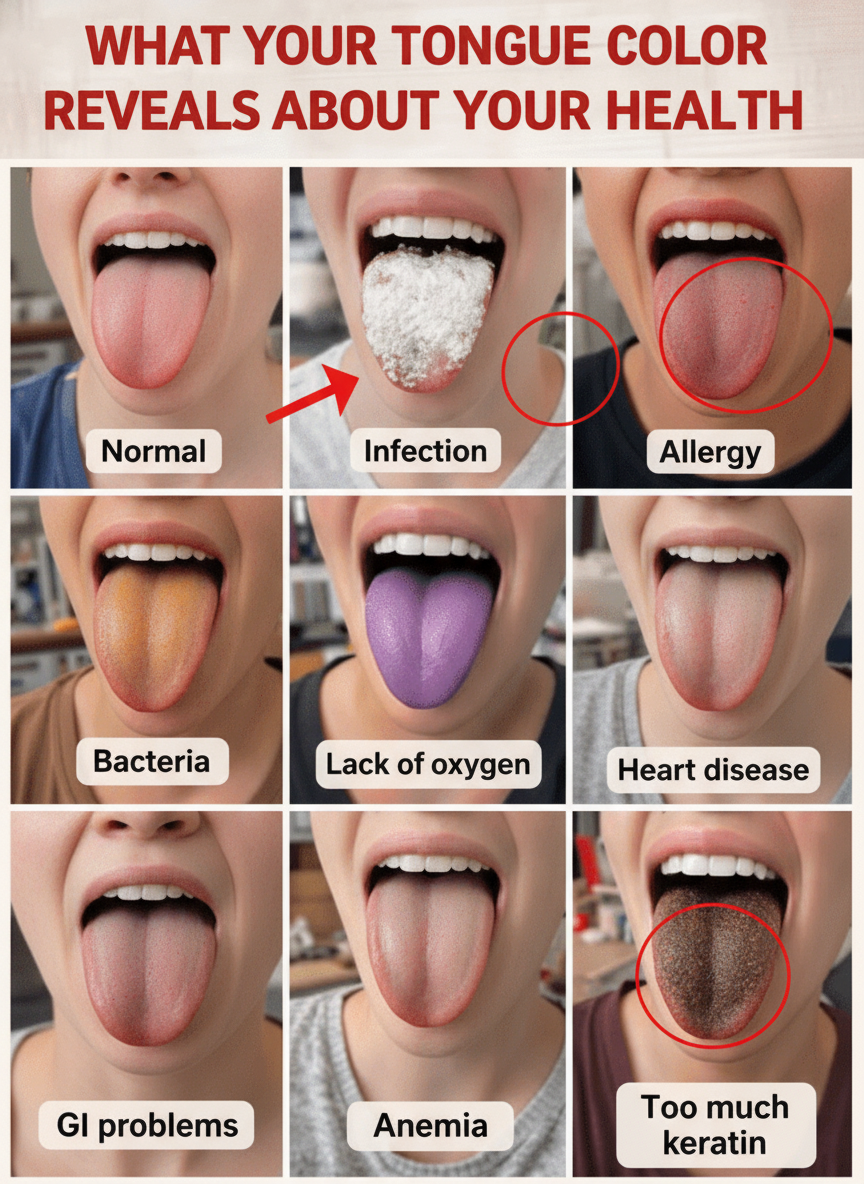
A healthy tongue is typically a soft, light pink, moist, and covered with tiny, almost velvety bumps called papillae. These papillae are crucial for taste and moving food. When healthcare professionals examine your mouth, the tongue is often the first stop, offering a quick snapshot of your general wellness.
Key characteristics of a healthy tongue include:
- Soft pink color: A consistent, even tone.
- Slight white coating: Normal due to bacteria and dead cells.
- Absence of cracks, swelling, or unusual patches: Indicating healthy tissue integrity.
Research in oral medicine confirms that the tongue’s appearance can fluctuate with hydration, diet, oral hygiene, and even certain medications. The good news is your tongue constantly renews itself, meaning temporary changes often resolve once habits improve. However, persistent color changes warrant closer attention.
White Tongue Coating: Often an Oral Imbalance Signal
A white tongue is one of the most common changes people observe. This appearance occurs when bacteria, dead cells, and debris accumulate on the tongue’s surface, creating a thicker coating. Several factors can contribute:
- Poor oral hygiene
- Dry mouth (xerostomia)
- Smoking or alcohol use
- Certain medications (e.g., for blood pressure, allergies)
- Fungal overgrowth, such as oral thrush
For many, especially older adults, medication-induced dry mouth is a frequent culprit. Reduced saliva means less natural cleansing, leading to a thicker coating. Simple daily habits can significantly improve this:
- Increase water intake throughout the day.
- Gently clean your tongue daily with a tongue scraper.
- Maintain regular dental check-ups.
Most cases of white tongue are mild and reversible with improved hygiene.
Bright Red Tongue: What It Might Suggest
A bright red or unusually glossy tongue can sometimes appear smoother than normal, a condition doctors occasionally refer to as “glossy tongue.” This striking color can point to several potential issues:
- Vitamin deficiencies, particularly B vitamins (B12, folate)
- Certain infections
- Irritation from spicy or acidic foods
- Allergic reactions to foods or dental products
Nutritional science highlights that insufficient levels of vitamin B12 or folate can indeed alter the tongue’s appearance. It’s crucial to remember that tongue color alone isn’t a diagnosis, but rather a gentle signal to review your diet and overall nutrition. Foods that support both oral and general health include:
- Eggs and fish
- Leafy green vegetables
- Yogurt
- Whole grains
A balanced diet often helps restore a normal tongue color over time.
Purple or Bluish Tongue: A Circulation Clue
A purple or bluish tint, though less common, can be a more serious indicator. This color change may signal reduced oxygen circulation in the blood. Potential reasons include:
- Extreme cold exposure
- Underlying circulatory issues
- Breathing difficulties
- Certain heart or lung conditions
However, temporary shifts can also occur after consuming very dark foods or during extremely cold weather. This is why doctors consider other symptoms before drawing conclusions. If an unusual tongue color appears alongside fatigue, shortness of breath, or dizziness, seeking immediate medical guidance is highly advisable.
Pale Tongue: Sometimes Associated With Low Iron
A pale or unusually white tongue can sometimes be observed in individuals with low iron levels. Iron is vital for producing red blood cells and transporting oxygen throughout the body. When iron levels drop, the body may exhibit subtle signs such as:
- Persistent fatigue
- Pale skin
- General weakness
- Changes in tongue color and texture
Again, tongue appearance is just one piece of the puzzle. Doctors typically combine blood tests, symptom review, and physical examination for a comprehensive diagnosis. To support healthy iron levels, consider incorporating iron-rich foods into your diet:
- Lean meats
- Beans and lentils
- Spinach and other dark leafy greens
- Pumpkin seeds
Small dietary improvements can contribute significantly to overall health.
Dark or Brown Tongue: Often a Lifestyle Signal
A dark brown or even black tongue can appear alarming, a condition sometimes known as “black hairy tongue.” Despite its appearance, it’s generally harmless and results from an overgrowth of papillae that trap bacteria, food particles, and sometimes yeast. Common culprits include:
- Poor oral hygiene
- Smoking
- Excessive coffee or tea consumption
- Certain antibiotics or medications
- Dry mouth
Improving oral hygiene, quitting smoking, and staying hydrated are usually effective in resolving this condition. Regular tongue scraping can also help remove the accumulated debris.
The Bottom Line: Listen to Your Tongue
Your tongue is an incredible, often overlooked, indicator of your health. While its color changes are rarely definitive diagnoses on their own, they serve as valuable early warning signals. Paying attention to these subtle clues empowers you to make proactive lifestyle adjustments or seek professional medical advice when necessary. A healthy tongue reflects a healthy you – so take a moment to observe, and if something seems consistently off, don’t hesitate to consult your doctor or dentist.