 By admin
 It’s a common scenario: you notice a cramp, a slight swelling, or an unusual tightness in your leg. Many of us, especially as we get older, might dismiss these subtle changes as mere signs of aging or temporary discomfort. Yet, what if these seemingly minor leg symptoms are actually critical messages from your body, hinting at deeper circulatory issues that could increase your risk of serious health events, including stroke?
Vascular research increasingly suggests that the health of your legs can be a powerful indicator of your overall cardiovascular well-being. By understanding what to look for, you gain an invaluable opportunity to protect your long-term health.
The Hidden Link Between Your Legs and Your Brain
As we age, our blood vessels naturally undergo changes, often becoming narrower and less efficient. This isn’t just a localized issue; the same intricate network of blood vessels supplies oxygen and nutrients to every part of your body, including your brain. When circulation struggles in one area, it often signals a broader challenge to your vascular health.
Studies from leading cardiovascular organizations highlight a significant connection: circulation problems affecting the legs are frequently linked to a higher risk of heart attacks and strokes later in life. What many people overlook is that your legs are often the first place these circulatory issues manifest. Because these changes tend to develop slowly, early warning signs are easily—and dangerously—dismissed as “just aging.”
Key Leg Symptoms That Deserve Your Attention:
- Persistent Calf Cramping: Especially during walking, improving with rest.
- Unusual Heaviness or Tiredness: Legs feeling unusually weary or fatigued.
- Swelling in One Leg: Unilateral swelling can be a red flag.
- Cool or Pale Skin: In the lower leg, compared to the other leg or rest of the body.
- Slow-Healing Cuts: Wounds on the feet that take an unusually long time to heal.
These aren’t necessarily signs of an immediate stroke, but doctors often refer to them as “vascular warning signs.” They strongly suggest that your circulation warrants closer examination. Catching these clues early can be crucial in mitigating larger health risks down the road.
When to Pay Closer Attention to Your Legs
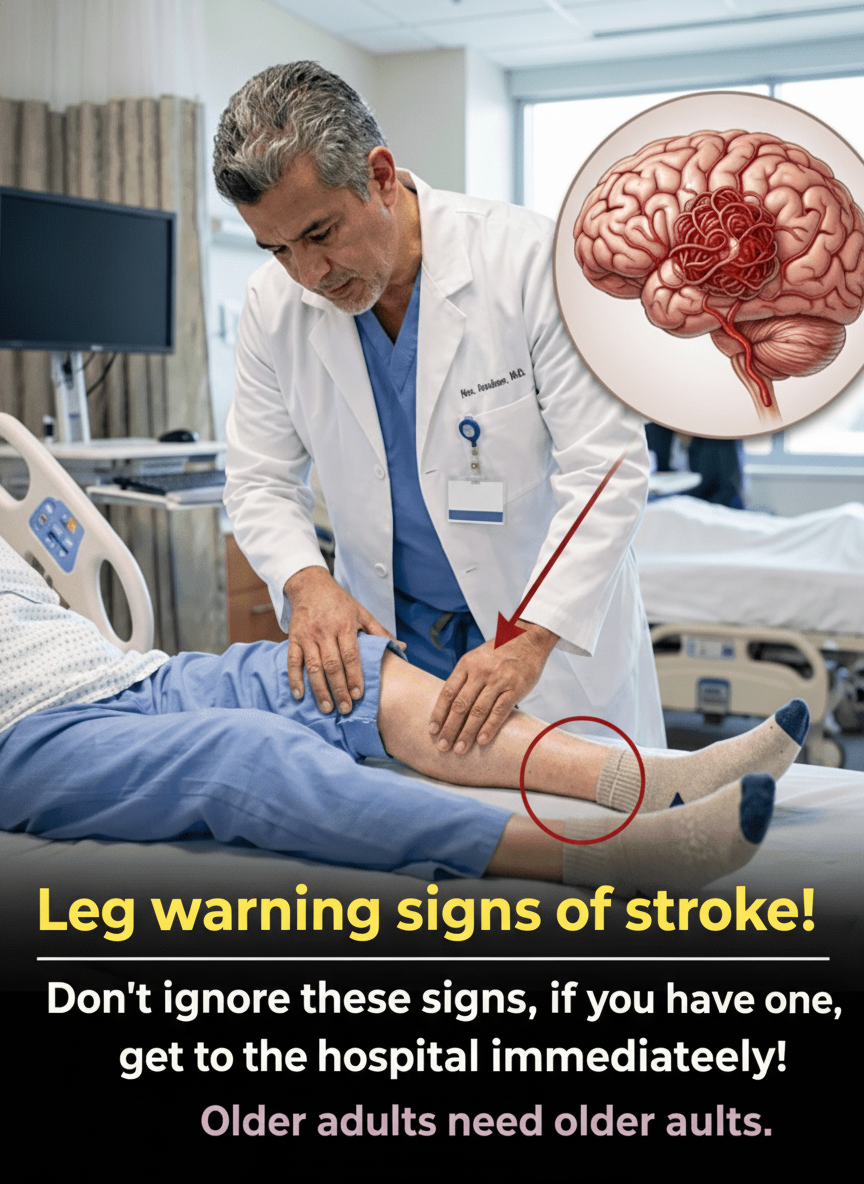
While occasional leg discomfort is normal, certain patterns signal a need for attention. It’s important to distinguish between temporary aches and potential circulatory concerns:
- Mild soreness from exercise fatigue is common, but repeated pain in the calf when walking that improves with rest could indicate a circulation issue.
- Slight swelling in both legs after standing for long hours is usually benign, but swelling that appears in only one leg warrants medical evaluation.
- Occasional cramps due to dehydration are often easily resolved, but persistent, unexplained calf pain should be discussed with a doctor.
- Cool feet in cold weather are normal, but coldness accompanied by numbness in the lower leg could be a sign of reduced blood flow.
- Other concerning signs include warm or red skin in a specific area of the leg, sudden weakness or numbness, or visible veins that appear unusually swollen.
These symptoms don’t automatically confirm a serious condition, but they can be associated with underlying circulation problems like reduced arterial blood flow or deep vein clots. The vascular system is interconnected; issues in your legs can be a call to assess your overall heart and brain health.
The Deeper Connection: Circulation and Stroke Risk Factors
Stroke is often associated with sudden, dramatic symptoms. However, the conditions that elevate stroke risk typically develop quietly over many years. According to health experts like the American Heart Association, key factors impacting circulation health include:
- High blood pressure
- Elevated cholesterol levels
- Diabetes
- Smoking history
- Limited physical activity
Here’s the critical connection: many of these same risk factors often affect the arteries in your legs first, a condition known as Peripheral Artery Disease (PAD). Research shows that individuals with circulation issues in their legs (PAD) frequently have a higher incidence of cardiovascular problems elsewhere in the body. While leg symptoms don’t directly predict a stroke, they serve as an invaluable early signal that your vascular health deserves proactive attention. This is, in fact, good news, as timely lifestyle adjustments and medical intervention can make a significant difference.
Empowering Yourself: Simple Steps for Vascular Health
Recognizing these early warning signs is the first step towards taking control of your health. The journey to healthier circulation often involves simple, achievable daily habits. By being attentive to your body’s signals and consulting with healthcare professionals about any persistent or unusual leg symptoms, you empower yourself to make informed decisions that support robust vascular health for years to come.