 By Trung Pham
 Your Hands Are Talking: Decoding Early Warning Signs of Hand Dermatitis
Our hands are constantly at work, enduring a barrage of daily challenges—from frequent washing and exposure to various soaps to handling harsh cleaning agents and battling dry environmental conditions. Most of the time, they manage these stresses remarkably well. However, there are instances when your hands begin to show clear signals of distress, manifesting as persistent redness, unrelenting itching, or painful fissures that turn even the simplest activities into uncomfortable struggles. These are not merely minor irritations; rather, they could be the initial indicators of hand dermatitis, a prevalent skin condition affecting millions globally that, if neglected, can become chronic.
The frustration often intensifies when readily available over-the-counter moisturizers fail to provide relief, and the discomfort starts to disrupt everyday living. Yet, there’s a reassuring message: many individuals successfully manage hand dermatitis by adopting straightforward habits and increasing their awareness. Grasping what’s happening at an early stage can fundamentally alter the outcome, and there exists an accessible approach that frequently brings relief much quicker than anticipated.
Understanding the Roots of Hand Dermatitis
Hand dermatitis doesn’t materialize without cause. It typically arises from a complex interplay of daily environmental exposures and individual predispositions that gradually weaken the skin’s inherent protective barrier. Leading dermatological organizations, such as the American Academy of Dermatology (AAD) and the Mayo Clinic, have identified several common triggers:
- Frequent Exposure to Irritants: Aggressive soaps, potent detergents, and chemical disinfectants can strip away the skin’s vital natural oils, compromising its integrity.
- Repeated Hand Washing or Wet Work: Occupations demanding constant contact with water—like those in healthcare, cleaning services, or food preparation—significantly elevate the risk by damaging the skin’s protective layer.
- Allergens: Certain substances, including metals like nickel, various fragrances, or latex, can provoke allergic reactions in susceptible individuals.
- Environmental Factors: Harsh conditions such as cold, dry weather or environments with low humidity frequently exacerbate existing symptoms of hand dermatitis.
- Underlying Tendencies: Individuals with a personal or family history of atopic conditions, such as eczema or asthma, may possess a higher genetic predisposition to developing hand dermatitis.
Ultimately, pinpointing your specific personal triggers requires careful observation and attention. Once identified, however, actively avoiding these culprits becomes a powerful and proactive step toward managing and preventing flare-ups of this challenging skin condition.
Key Indicators: What Your Hands Are Telling You
The symptoms of hand dermatitis can begin subtly and progressively worsen if left unaddressed. According to health authorities like Healthline and WebMD, here are the crucial early warning signs to monitor:
- Unresponsive Dryness: Persistent dry skin that shows no improvement even with regular application of standard moisturizing products.
- Inflammation and Pruritus: Redness often accompanied by a persistent itchy sensation or a noticeable stinging feeling.
- Skin Fissures: The appearance of small, often painful cracks, particularly on the fingertips or in the delicate skin between the fingers.
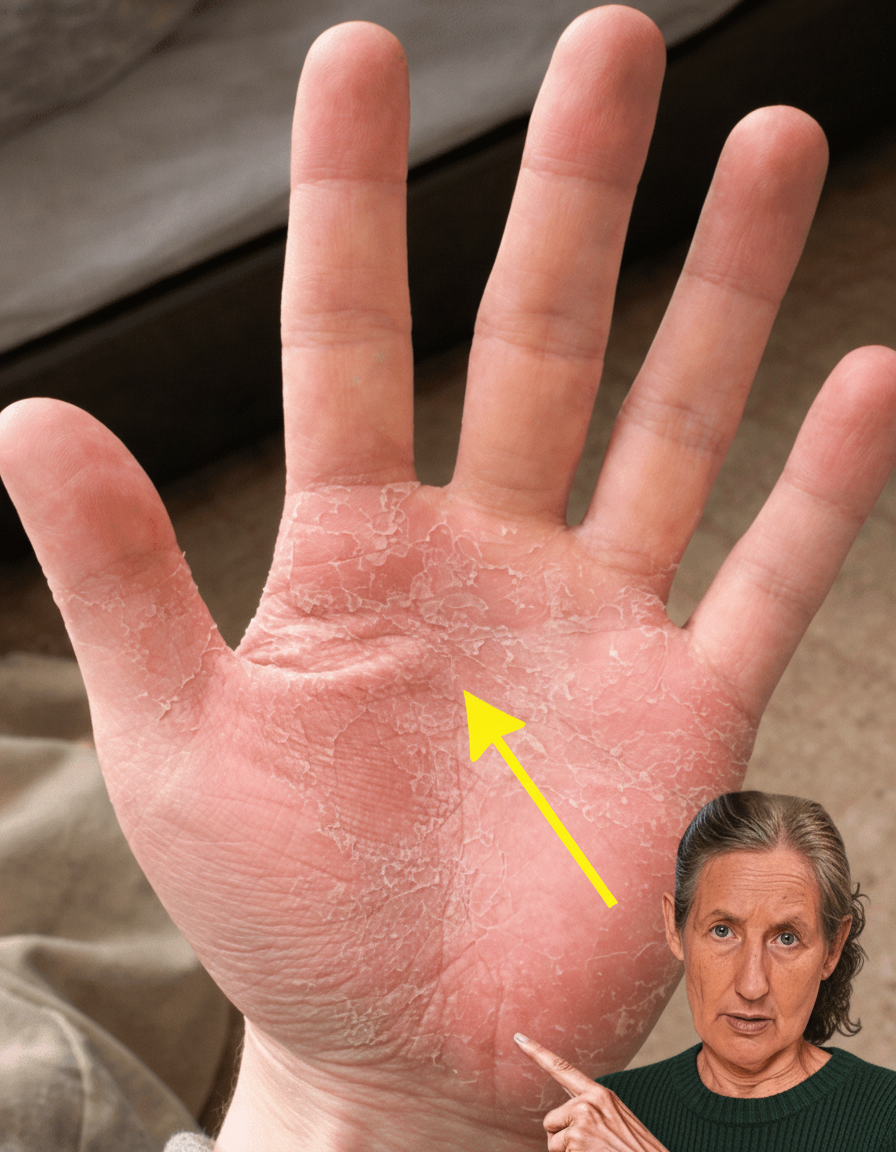
- Texture Changes: Noticeable scaling, peeling of the skin, or the formation of tiny, fluid-filled blisters.
- Functional Discomfort: Experiencing pain or discomfort when gripping objects or immediately after washing your hands.
- Advanced Stages: In chronic or long-standing cases, the skin may become visibly thickened, rough, or leathery in patches.
These indicators most frequently manifest on the palms, the backs of the hands, or across the fingers. If these signs persist or intensify, it’s beneficial to observe any patterns—for instance, if symptoms flare up following specific activities or exposures. Moreover, overlooking these early warning signs can sometimes lead to secondary complications, such as heightened skin sensitivity or an increased risk of bacterial or fungal infections. The encouraging news is that prompt action often prevents the escalation of hand dermatitis into more severe forms.
Proactive Hand Care: Daily Strategies for Protection
Effectively managing hand dermatitis primarily involves bolstering your skin’s natural barrier and minimizing exposure to irritants. Leading dermatologists from the AAD propose these actionable and practical steps for optimal hand care:
- Consistent Moisturization: Apply a rich, fragrance-free cream or ointment multiple times throughout the day, especially within three minutes after washing your hands. Seek out products containing restorative ingredients like petrolatum or ceramides.
- Thoughtful Cleansing: Opt for mild, soap-free cleansing agents with a neutral pH, steering clear of harsh antibacterial soaps that can strip the skin.
- Barrier Protection During Tasks: Wear vinyl or cotton-lined gloves when engaging in wet work, handling chemicals, or performing tasks that involve potential irritants. Remember to change gloves regularly to prevent moisture from becoming trapped against the skin.
- Gentle Drying Techniques: After washing, gently pat your hands dry with a soft towel, paying particular attention to ensuring the areas between your fingers are completely dry.
- Mindful Sanitizer Use: Reduce your reliance on alcohol-based hand sanitizers whenever feasible. Instead, choose moisturizing hand sanitizers or, ideally, wash your hands with soap and water when appropriate.
Research consistently demonstrates that a regimen of consistent moisturizing alone can significantly alleviate symptoms for many individuals. Tracking what helps (or doesn’t) in a simple journal can be an invaluable tool for discovering your most effective daily routine. Here’s a quick overview comparing common hand care approaches:
| Habit | Potential Benefit | Tip for Success |
|---|---|---|
| Frequent Moisturizing | Helps restore and strengthen the skin barrier | Apply generously within 3 minutes of hand washing |
| Gentle Cleansing | Minimizes irritation and preserves natural oils | Avoid very hot water and harsh detergents |
| Protective Gloves | Shields hands from irritants and wetness | Use cotton liners inside rubber gloves for added comfort |
| Avoiding Triggers | Prevents flare-ups and reduces inflammation | Maintain a simple journal to note symptom patterns |
Integrating Hand Health into Your Daily Routine
Ready to cultivate healthier habits for your hands? Incorporate these simple, actionable tips into your daily life:
- Morning Ritual: Apply a protective layer of moisturizer immediately upon waking and before any initial exposure to water.
- Post-Wash Protocol: After every hand wash, gently pat your hands dry, then follow up with an immediate application of hand cream.
- Task-Specific Protection: Always don appropriate gloves (choose non-latex if you have sensitivities) before engaging in household chores or any activities involving potential irritants.
- Nighttime Nourishment: Before bed, apply a thicker, more occlusive layer of moisturizer to allow for intensive skin repair overnight.
By understanding the causes and early signs of hand dermatitis and consistently applying these preventive and protective strategies, you can take significant steps toward maintaining healthy, comfortable hands and preventing the condition from escalating. Your hands work hard for you; it’s time to return the favor with mindful care.