 By admin
 Your Feet Hold Clues: 6 Vital Warning Signs Your Body May Be Sending
The health of your feet is often overlooked, yet these complex structures can serve as early warning systems for underlying health conditions. Many individuals, particularly as they age, might experience discomforts like swelling after a long day or a persistent tingling sensation, often dismissing them as mere signs of aging or fatigue. However, your feet are incredibly communicative, frequently revealing deeper issues before symptoms manifest elsewhere. By understanding these subtle indicators, you gain valuable insight into your overall well-being. And as you read on, you’ll uncover a simple daily practice that numerous healthcare professionals advocate for maintaining optimal foot health throughout your life.
Why Your Feet Are Crucial Health Indicators
Your feet are masterpieces of biological engineering, comprising over 7,000 nerve endings, numerous joints, and an intricate network of blood vessels. Their unique position—farthest from the heart—makes them particularly susceptible to changes in circulation, nerve function, or fluid balance. Medical research consistently highlights that the initial physical manifestations of circulatory problems, nerve sensitivities, or fluid retention often first emerge in the lower extremities.
The journey of blood to your feet and its subsequent return to the heart is a long one. Consequently, any impairment in blood flow or irritation to the nerves can quickly become apparent in your feet. This is precisely why doctors routinely inspect a patient’s feet during a general health assessment. Furthermore, specific alterations in foot health can be directly linked to broader systemic conditions, emphasizing the importance of recognizing these signals early to seek timely medical intervention.
1. Persistent Tingling or Numbness: A Neurological Alert
Experiencing a persistent “pins and needles” sensation or numbness in your feet is more than just an annoyance. While occasional tingling can be normal after prolonged sitting or crossing your legs, recurrent or prolonged numbness may signal underlying nerve irritation or damage. Medical literature, particularly in neurology journals, suggests that heightened nerve sensitivity in the feet can be associated with several factors, including:
- Imbalances in blood sugar levels (e.g., pre-diabetes or diabetes)
- Deficiencies in essential B vitamins
- Sustained pressure on nerves
- Age-related nerve degeneration
This condition is commonly known as neuropathy, indicating nerve inflammation or damage. When peripheral nerves in the feet are affected, individuals might observe a range of symptoms:
- Burning sensations
- Diminished ability to perceive temperature
- Patches of numbness on the toes or soles
- Intermittent sharp or stabbing pains
While these symptoms don’t automatically imply a severe illness, they are crucial signals from your body indicating a need for attention and professional evaluation.
2. Swelling in Your Feet and Ankles: A Sign of Fluid Imbalance
Many people notice their shoes feeling uncomfortably tight by the end of the day. Mild swelling can certainly occur after extended periods of standing or sitting. However, persistent swelling in the feet and ankles, medically termed edema, often points to fluid retention within the body. This accumulation of fluid can result from slowed circulation or the body’s inability to efficiently process and eliminate excess fluids.
Healthcare providers frequently assess foot and ankle swelling when evaluating:
- Kidney function
- Overall circulatory health
- Electrolyte and salt balance
- Potential side effects of medications
It’s important to differentiate: swelling that resolves overnight is generally less concerning than swelling that persists for several days. If swelling is accompanied by pain, changes in skin appearance, or unexplained sudden weight gain, prompt consultation with a healthcare professional is strongly advised.
3. Burning Pain or Heightened Sensitivity in the Feet
The sensation of warmth, pain, or significant discomfort in the soles of your feet is often described as “burning feet syndrome.” This can manifest as an unusual feeling of heat or irritation. Various lifestyle and health factors can contribute to this distressing sensation:
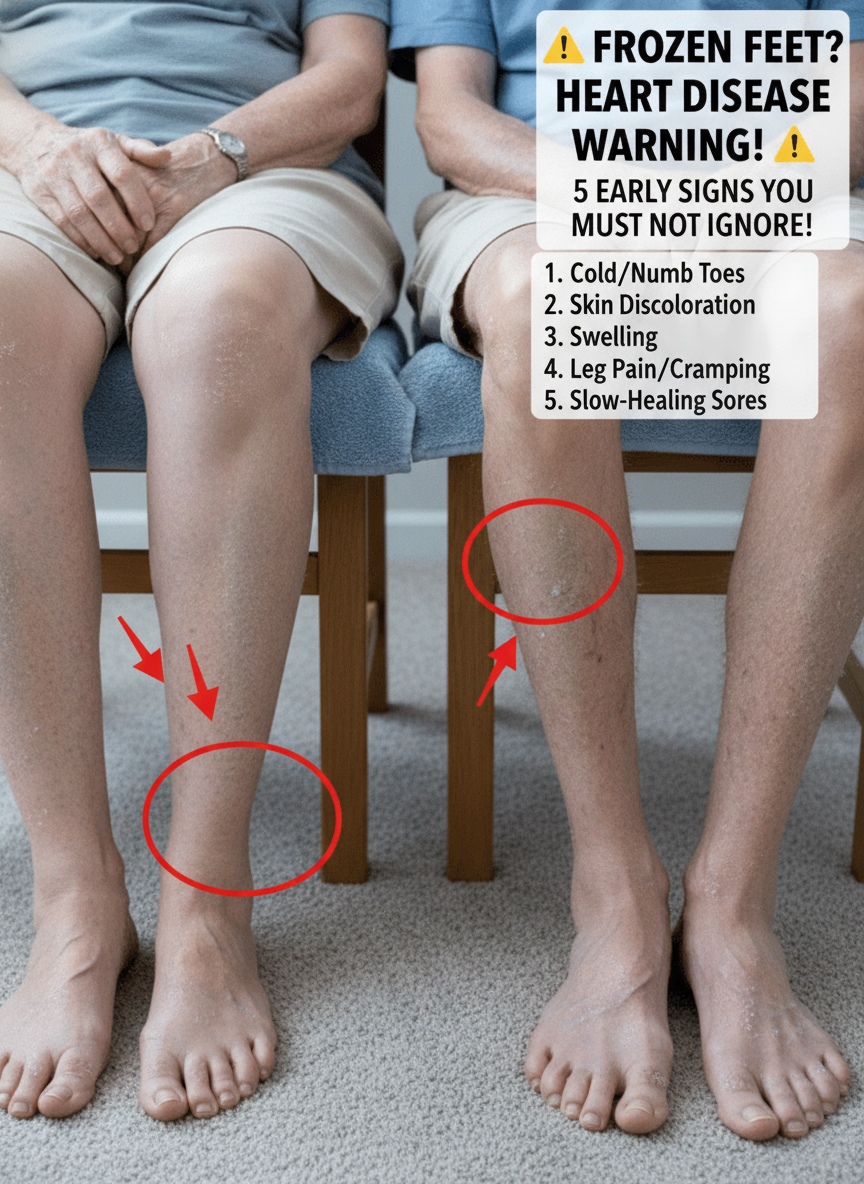
- Prolonged periods of standing
- Wearing ill-fitting or unsupportive footwear
- Certain vitamin deficiencies
- Underlying nerve sensitivity
Many individuals, especially older adults, report that this burning sensation intensifies during the night. Research into nerve health consistently suggests that maintaining robust circulation and a balanced nutritional intake are vital for supporting healthy nerve function. This explains why doctors frequently inquire about a patient’s diet, choice of footwear, and daily activity levels when addressing complaints of burning feet.
4. Twisted or Bulging Veins in the Legs: A Circulatory Concern
Prominent, twisted, or bulging veins visible on the legs or feet are known as varicose veins. These occur when the tiny one-way valves inside the veins weaken or become damaged, hindering the efficient upward flow of blood back towards the heart. This impaired circulation can lead to:
- A sensation of heaviness or aching in the legs
- Visibly enlarged and winding veins
- Mild discomfort or aching, particularly after prolonged standing
Vascular health studies indicate that varicose veins tend to become more prevalent with age, often due to a combination of genetic predisposition, prolonged standing, and general wear and tear on the venous system. While often considered a cosmetic concern, severe varicose veins can sometimes indicate deeper circulatory issues and may lead to complications like skin ulcers or blood clots if left unaddressed. If you notice significant discomfort, skin changes, or rapid worsening, it’s advisable to consult a doctor.
5. Persistent Coldness in Your Feet: A Circulatory Hint
While cold feet can simply be a reaction to a chilly environment, persistent coldness, even in warm settings, can be a significant indicator. This symptom often points to diminished blood flow to the lower extremities. Poor circulation, medically known as peripheral artery disease (PAD) when arteries are narrowed, can limit the oxygen and nutrients reaching your feet. Causes can include:
- Atherosclerosis (hardening of the arteries)
- Diabetes
- Smoking
- High blood pressure
If your feet consistently feel cold, especially when accompanied by pain, numbness, or skin changes, it’s a strong signal to discuss your circulatory health with a doctor.
6. Slow-Healing Sores or Skin Discoloration: Urgent Signals
Any wound on your foot that is slow to heal, or doesn’t heal at all, warrants immediate medical attention. Similarly, unexplained changes in skin color—such as redness, blueness, or darkening—or thinning, shiny skin can be critical warning signs. These symptoms are particularly concerning because they often indicate:
- Severe circulatory problems
- Uncontrolled diabetes
- Infection
These conditions can impair the body’s natural healing processes and increase the risk of serious complications. Regular self-examination of your feet for any cuts, blisters, sores, or changes in skin integrity is a vital practice, especially for individuals with diabetes or known circulatory issues.
Conclusion
Your feet are remarkable indicators of your overall health, offering crucial insights into your body’s functioning. Paying attention to these six surprising warning signs—tingling, swelling, burning, changes in veins, persistent coldness, and non-healing sores—can empower you to address potential health issues proactively. Remember, early detection often leads to more effective management and better health outcomes.
To help keep your feet healthier as you age, many medical professionals quietly recommend a simple daily habit: incorporate gentle foot stretches and a brief self-massage into your routine, combined with wearing supportive, well-fitting footwear. These practices can significantly enhance circulation, reduce stiffness, and support overall foot vitality, ensuring your feet continue to carry you through life comfortably and healthily.