 By admin
 Winter’s Itch: Understanding and Relieving Excessively Dry, Scaly Lower Legs Every Cold Season
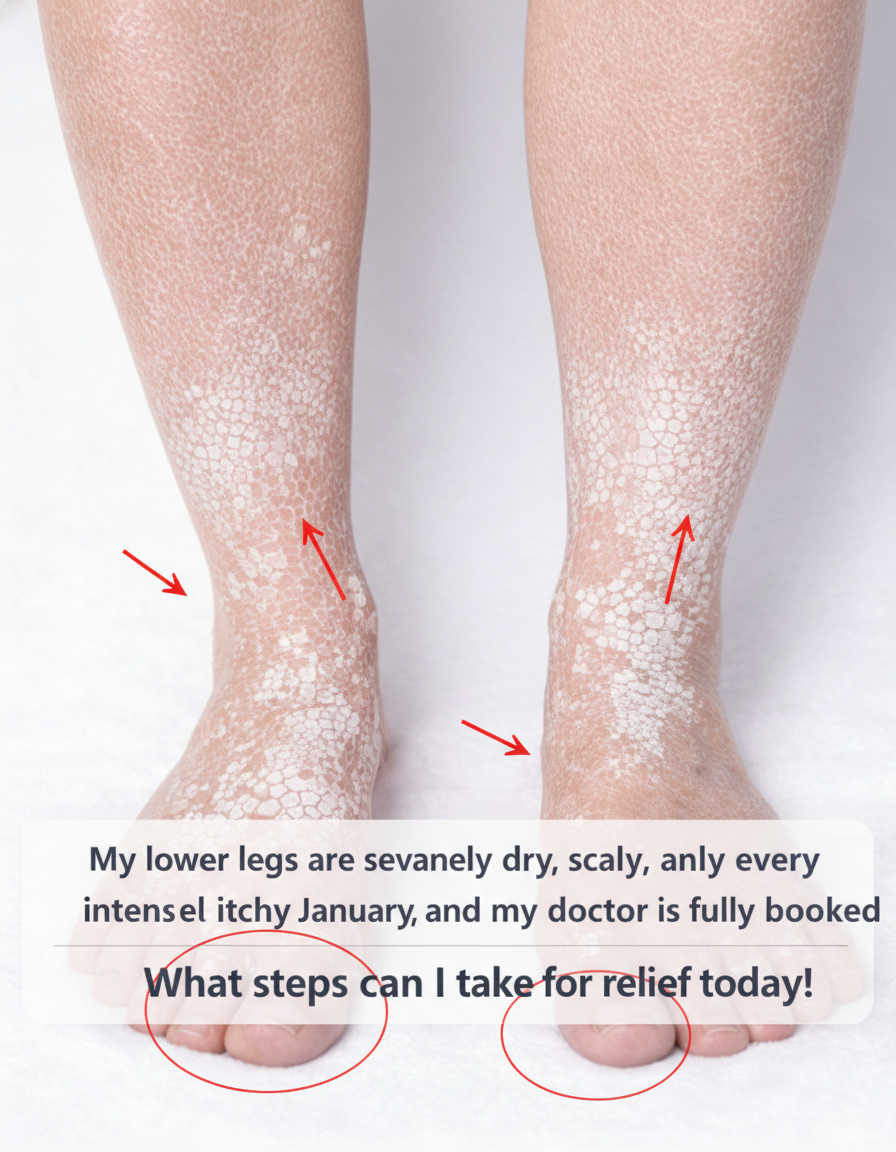
As the festive season concludes and the chill of winter truly sets in, countless individuals find themselves grappling with a common, yet profoundly irritating, skin complaint: intensely dry, flaky, and relentlessly itchy lower legs. What might begin as a mild itch can swiftly escalate into a distressing cycle of persistent irritation, noticeable scaling, and a pervasive sensation of tightness and discomfort. If this annual winter skin challenge sounds familiar, rest assured that you are not alone; these seasonal dermatological shifts impact a vast number of people. The primary culprits are well-known: a significant reduction in environmental humidity coupled with the dehydrating effects of indoor heating. These factors conspire to deplete your skin’s vital moisture reserves at an accelerated rate, particularly on the lower limbs, which naturally possess fewer oil-producing glands and experience slower blood circulation. The encouraging news, however, is that adopting a few straightforward modifications to your daily skincare regimen can yield substantial and rapid improvements – often beginning today. Furthermore, there’s a specific, often-underestimated timing strategy that skin experts advocate for maximizing relief and hydration, which we’ll delve into shortly.
Why Lower Legs Are Particularly Vulnerable to Winter Dryness
Winter conditions create an ideal environment for exasperated, dry skin, especially on the lower legs. The outdoor air, inherently colder, holds less moisture, while indoor heating systems actively extract even more humidity from the surrounding atmosphere. Scientific studies confirm that these low humidity levels significantly accelerate trans-epidermal water loss, leading to dehydration and compromise of the skin’s essential barrier function. Your lower legs are uniquely susceptible to these effects due to several physiological factors:
- Fewer Sebaceous Glands: Compared to other body parts, the lower legs possess a reduced density of oil-producing glands, which are crucial for natural skin lubrication.
- Thinner Epidermis: The skin on the lower legs tends to be thinner, making it more prone to rapid moisture evaporation.
- Reduced Blood Flow: Slower circulation in this region can impede the natural repair processes of the skin.
Compounding these inherent vulnerabilities, common daily habits like indulging in hot showers, using harsh, chemical-laden soaps, and enduring friction from heavy or restrictive clothing only exacerbate the problem, transforming mild dryness into chronic itching and noticeable scaling.
Beyond Simple Dryness: Recognizing Asteatotic Eczema
What many refer to as ‘winter itch’ often indicates a specific dermatological condition known as asteatotic eczema, a prevalent form of dry-skin-related irritation that frequently flares during colder, low-humidity months. Dermatological research consistently highlights its particular prevalence on the shins and lower legs. Key indicators that your condition might be more than just ordinary dry skin include:
- A distinctive ‘crazy paving’ or ‘cracked riverbed’ pattern visible on the skin’s surface.
- Underlying redness or pinkish discoloration beneath the flaky patches.
- A persistent, nagging itch that remains despite routine moisturizing efforts.
- A sensation of skin tightness, sometimes accompanied by a mild burning or stinging feeling.
Unlike transient dryness, asteatotic eczema tends to persist and worsen without targeted, consistent care. The positive news, however, is that a focused approach on deep hydration and gentle skincare routines can significantly alleviate symptoms and promote healing.
Eliminating Aggravators: Irritants to Avoid Immediately
Before introducing new remedies, the first crucial step is to cease practices and products that actively strip your skin of its natural protective oils. Many everyday items and routines unwittingly intensify winter skin irritation. Make an effort to avoid these starting today:
- Fragrance-laden body washes or soaps: These can be highly irritating and drying.
- Strong, antibacterial, or deodorant-containing cleansers: Often too harsh for sensitive, dry skin.
- Abrasive exfoliating scrubs or loofahs: These can further damage the compromised skin barrier.
- Products containing alcohol or strong synthetic scents: Known dehydrators and irritants.
Consider your clothing choices as well. Materials like rough wool or tight synthetic fabrics can rub and irritate delicate skin. Instead, opt for loose-fitting cotton pants or soft, breathable layers that reduce friction and allow your skin to properly ventilate.
Optimizing Your Shower Ritual for Instant Comfort
While a long, hot shower might feel comforting in the depths of winter, it’s a primary culprit in stripping away precious natural skin oils and intensifying dryness. Dermatologists universally recommend adopting gentler showering habits. Implement this simple routine for immediate relief:
- Limit shower duration: Keep showers under 10 minutes.
- Use lukewarm water: Avoid hot water, which can be highly dehydrating.
- Choose gentle cleansers: Opt for fragrance-free, hydrating, and mild body washes.
- Cleanse lightly: Resist aggressive scrubbing, especially on your lower legs.
After showering, gently pat your skin dry with a soft towel, leaving it slightly damp rather than rubbing vigorously.
The Golden Rule of Hydration: The Post-Shower Seal
This particular technique is where many individuals experience the most significant and rapid improvement, and it’s remarkably straightforward. Immediately after towel-drying – specifically, within approximately three minutes while your skin is still visibly damp – generously apply a rich, thick moisturizer to your lower legs.
Why this method is so effective: Damp skin acts like a sponge, absorbing hydrating ingredients more efficiently. By sealing in this moisture quickly, you prevent rapid evaporation, effectively locking in essential hydration. This ‘soak and seal’ approach, highly endorsed by skin experts, is proven to help restore the skin’s protective barrier more effectively than applying product to completely dry skin.
Selecting the Ideal Moisturizer: Go Rich and Uncomplicated
When dealing with severely dry and scaly legs, lightweight lotions often prove insufficient. Thicker, more occlusive options are essential for creating an effective protective layer and truly locking in moisture. Look for:
- Ointments or heavy creams: While they may feel greasier initially, their efficacy in sealing moisture is unparalleled.
- Key barrier-supporting ingredients: Prioritize products containing ceramides (to rebuild the skin barrier), glycerin (a powerful humectant that draws in hydration), petrolatum (an excellent occlusive agent), or shea butter (for nourishing and sealing).
Apply these products liberally, especially as part of your nightly routine, and reapply throughout the day as necessary. Many fragrance-free, hypoallergenic options from reputable skincare brands are specifically formulated to provide superior relief for winter-prone skin.