 By admin
 Introduction: More Than Just an Annoyance
Imagine a quiet moment with loved ones, suddenly interrupted by an insistent itch in your ear. A quick, instinctive scratch, and then the unwelcome sight of tiny flakes drifting onto your shoulder. This scenario, often accompanied by feelings of embarrassment and discomfort, is a surprisingly common experience for many, particularly older adults, during the colder months. February, in particular, often sees a peak in this issue as ambient air humidity plummets, causing delicate skin to react.
While seemingly minor, this seasonal ear dryness can be more than just an irritation. There are several underlying factors contributing to it, and remarkably, a pervasive everyday habit might be inadvertently worsening the problem. Before delving into practical strategies to protect your ears, let’s first uncover the intricate processes occurring within the sensitive skin of your ear canal.
The Impact of Cold Weather on Ear Skin
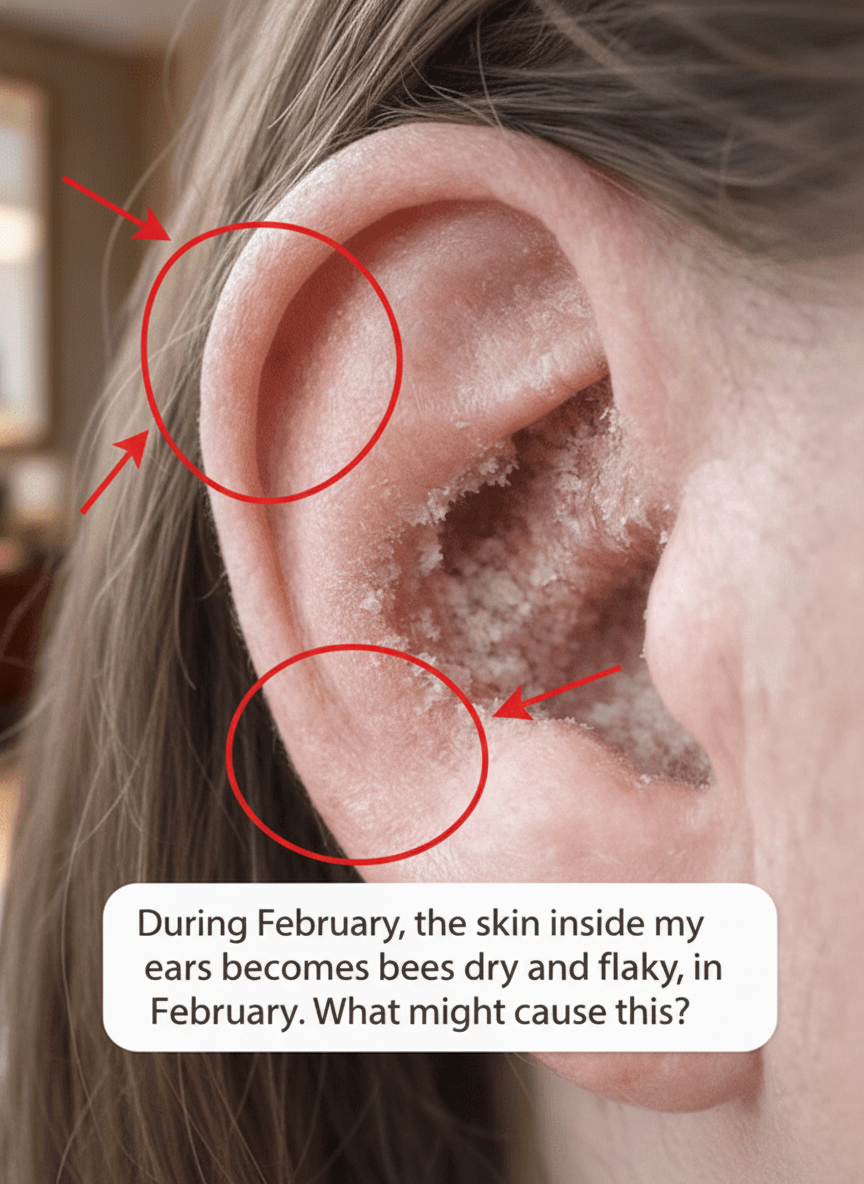
The skin lining your ear canal is exceptionally thin and delicate, notably lacking the abundance of oil glands found in other parts of the body. During the frigid months of winter, typically January and February, a confluence of environmental shifts takes place. The air becomes significantly drier, indoor heating systems actively strip moisture from the air, and cold winds can compromise the skin’s natural barrier. This combination depletes the ear’s internal skin of its vital protective oils. Once this crucial lipid layer is compromised, the skin quickly succumbs to dryness and begins to flake.
Dermatological research frequently refers to this phenomenon as seasonal xerosis, a condition characterized by moisture loss from the skin due to environmental changes. However, this environmental impact represents only one facet of the problem. For many individuals, winter-induced ear dryness is exacerbated by daily routines, some of which may come as a genuine surprise.
February’s Dry Air: A Silent Culprit
In many global regions, February consistently ranks among the driest months of the year. The pervasive low humidity in the air acts like a sponge, drawing essential moisture away from the skin. When this moisture depletion occurs repeatedly, the outermost layer of the skin barrier becomes increasingly fragile. Within the ear canal, this effect is amplified due to the inherent delicacy of its skin. The ramifications of plummeting humidity can manifest as:
- A sensation of tightness and persistent itching in the ear.
- The appearance of small, visible flakes inside the ear canal.
- Mild redness or irritation.
- Earwax that becomes noticeably drier and more crumbly.
It’s crucial to understand that earwax plays an indispensable role in safeguarding the ear. It serves as a natural moisturizer and a protective barrier against external elements. When harsh winter conditions diminish its protective efficacy, the ear canal becomes significantly more vulnerable. Regrettably, many individuals inadvertently compromise this natural defense mechanism through a common, yet misguided, habit.
The Counterproductive Habit: Cotton Swabs and Ear Health
Let’s address a widespread habit many were taught to believe was beneficial: cleaning the ears with cotton swabs. While it might offer a fleeting sense of satisfaction, medical professionals consistently advise against inserting cotton swabs into the ear canal. The primary reason? They actively remove the very substance—earwax—that is essential for maintaining ear health. Earwax performs several vital protective functions:
- It keeps the delicate ear canal skin adequately moisturized.
- It effectively traps dust, dirt, and bacteria, preventing them from reaching deeper structures.
- It helps maintain a healthy pH balance within the ear canal.
When cotton swabs are routinely used to clear earwax, the ear canal is stripped of its natural lubrication and protection, leading to dryness and irritation. Over time, this can directly contribute to flaky skin and bothersome itching. Consider this straightforward comparison:
| Habit | Effect on Ear Skin |
|---|---|
| Frequent cotton swab use | Removes natural oils and protective earwax, leading to dryness. |
| Leaving earwax alone (unless problematic) | Maintains the ear’s natural moisture barrier and protective functions. |
| Gentle cleaning of the outer ear only | Safe and protective, without compromising the ear canal. |
However, winter conditions or cleaning habits aren’t always the sole culprits behind ear dryness. Sometimes, the skin itself undergoes changes, particularly with advancing age.
Why Aging Amplifies Ear Dryness
As individuals age, the body’s natural production of sebum (skin oil) gradually diminishes. This physiological change impacts skin across the entire body, including the often-overlooked skin inside the ear canal. For many adults, especially those over 60, the skin barrier becomes noticeably thinner and more fragile, resulting in a faster loss of moisture. Several age-related factors collectively contribute to this heightened vulnerability:
- A significant reduction in natural oil (sebum) production.
- Slower rates of skin cell renewal, leading to a less robust barrier.
- Increased sensitivity to environmental stressors like cold and dry weather.
Dermatological research indicates that older adults exhibit a significantly higher propensity to develop seasonal dry skin conditions. This explains why ear flaking often seems to emerge quite suddenly during the winter months for this demographic. Nevertheless, persistent dryness may also signal the presence of underlying skin conditions.
When Flaky Ear Skin Points to Other Skin Conditions
In some instances, persistent ear dryness and flaking can be symptomatic of more pervasive skin conditions. These may include:
- Seborrheic dermatitis (a common condition causing red, flaky, greasy patches).
- Eczema (atopic dermatitis), which can affect the delicate skin in and around the ear.
- Contact irritation resulting from reactions to hair products, jewelry, or even certain earbud materials.
These underlying conditions often present with more pronounced symptoms compared to simple winter dryness, such as:
- Persistent, intense itching that is difficult to relieve.
- Noticeable redness and inflammation.
- Thicker, more stubborn skin flakes or crusting.
If you experience severe or persistent ear dryness, flaking, or any of these additional symptoms, it is advisable to consult a healthcare professional or dermatologist. They can provide an accurate diagnosis and recommend appropriate treatment to alleviate discomfort and restore ear health.