 By admin
 Experiencing numb or tingling hands is a common occurrence. Often described as feeling “pins and needles,” this sensation, known as paresthesia, can be unsettling. While typically harmless and temporary, frequent episodes might indicate an underlying issue related to your nerves, circulation, or even lifestyle. This article explores the common reasons your hands might fall asleep and offers natural remedies to help restore comfort and improve circulation.
What Does It Mean When Your Hands Fall Asleep?
Hand numbness occurs when nerves or blood vessels are temporarily compressed, interrupting the normal signals between your brain and hand. Once the pressure is released, the tingling “pins and needles” sensation signifies the nerves “waking up.” This phenomenon is usually temporary and often caused by simple factors like poor posture or repetitive movements. However, persistent or frequent numbness warrants attention.
Common Causes of Hand Numbness
Understanding the root cause is crucial for effective relief. Here are the most common reasons your hands might fall asleep:
1. Poor Sleeping Position
One of the most frequent culprits is sleeping in a way that compresses nerves or restricts blood flow to your arms. Common positions include:
- Sleeping with wrists bent
- Lying directly on your arm for extended periods
- Keeping elbows folded tightly under your body
These positions can momentarily block nerve signals, causing numbness until circulation returns. A simple adjustment to your sleeping posture or using a supportive pillow often resolves nighttime numbness.
2. Carpal Tunnel Syndrome
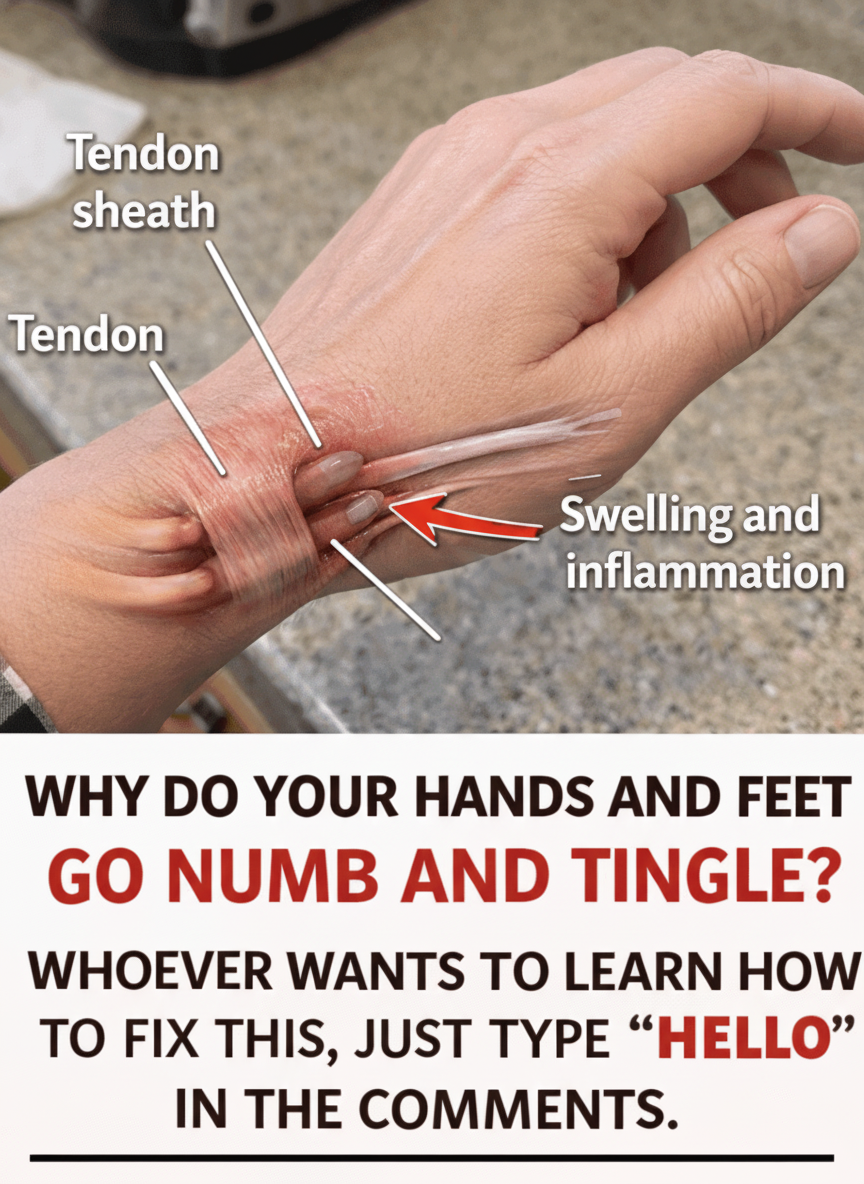
Carpal Tunnel Syndrome is a prevalent medical cause of hand numbness. It happens when the median nerve, located in your wrist, becomes compressed, often due to inflammation or repetitive hand movements. Symptoms typically include:
- Tingling or numbness in the thumb, index, and middle fingers
- Weak grip strength
- Worsening numbness at night
- Pain that can radiate up the arm
Individuals who frequently type, use tools, or perform repetitive wrist motions are at higher risk.
3. Nerve Compression in the Neck or Arm
Sometimes, the source of numbness isn’t in the hand itself but originates from a pinched nerve in the neck or spine. This can cause numbness that travels down the arm and into the hand. Common conditions include:
- Herniated discs
- Cervical radiculopathy (pinched nerve in the neck)
- Ulnar nerve compression (at the elbow)
These conditions interfere with nerve signals traveling from the spinal cord to the hands.
4. Vitamin Deficiencies
A lack of essential vitamins, particularly Vitamin B12, can lead to nerve damage, manifesting as tingling or numbness in the hands. Other vital nutrients for nerve health include:
- Vitamin B6
- Magnesium
- Omega-3 fatty acids
When the body is deficient in these nutrients, nerve function can be impaired, leading to numbness.
5. Chronic Health Conditions
Persistent hand numbness can also be a symptom of underlying chronic health issues such as:
- Diabetes and peripheral neuropathy
- Autoimmune disorders
- Multiple sclerosis
- Circulatory problems
These conditions can damage nerves or restrict blood flow, leading to ongoing numbness.
Natural Remedies That May Help
For mild or occasional hand numbness, several natural remedies can help improve circulation and nerve function:
1. Gentle Hand and Wrist Exercises
Stretching and strengthening your hands and wrists can alleviate nerve pressure and enhance mobility. Try these simple exercises:
- Wrist rotations
- Finger stretches
- Squeezing a stress ball
- Wrist flexor stretches
These movements promote blood flow and maintain tendon flexibility.
2. Improve Your Sleep Position
Adjusting your sleep posture is key to preventing nighttime numbness. Tips for a better night’s sleep include:
- Sleeping with wrists in a neutral, straight position
- Using a supportive pillow to keep your neck aligned
- Avoiding sleeping with your arms tucked under your body
These changes can significantly reduce nighttime numbness and improve overall circulation.
3. Warm Compress or Hand Massage
Massage can boost circulation and relax muscles surrounding compressed nerves. Consider these techniques:
- Gently massage your palms and fingers for 5–10 minutes
- Apply a warm compress to improve local blood flow
- Use natural oils like coconut or olive oil for added comfort during massage
Regular application can help soothe discomfort and improve circulation.