 By admin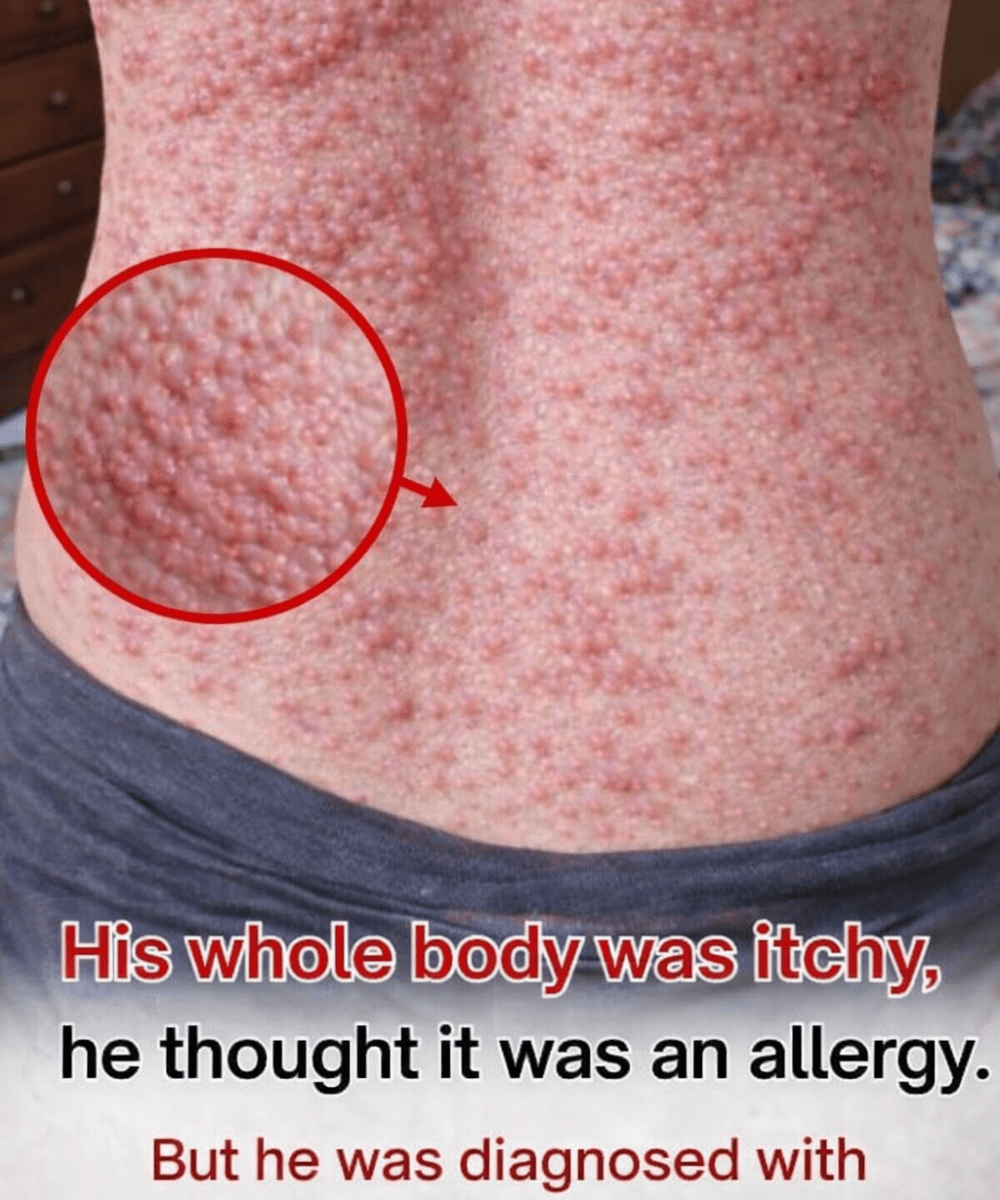
It’s heartbreaking to see your child endlessly scratching those angry red welts that just won’t go away, even after weeks or months. The constant itching steals their sleep, turns school days into a struggle, and leaves you feeling helpless as flare-ups seem to come out of nowhere and get worse over time. You’ve tried the usual creams and remedies, but nothing seems to bring lasting relief—and that worry in the back of your mind keeps growing. The good news? While chronic hives can be frustrating, many families find real improvement through simple, everyday changes and better understanding of what’s happening. Stick with me until the end—I’ll share some lesser-known adjustments that have made a big difference for other parents in your shoes.

Understanding Hives in Children: What’s Really Happening Under the Skin
Hives, medically known as urticaria, show up as raised, itchy patches on the skin that can look red or pink and often change shape or location quickly. In children, these welts can appear anywhere on the body and sometimes come with deeper swelling called angioedema, especially around the eyes, lips, or hands.
What causes them? The skin reaction happens when mast cells—a type of immune cell—release histamine and other chemicals. This causes tiny blood vessels to leak fluid, creating those characteristic raised bumps.
But here’s what many parents don’t realize at first: when hives keep returning or lasting longer than six weeks, it’s considered chronic urticaria. Research shows that while acute hives are common in kids (affecting up to 15-20% at some point), chronic cases happen in a smaller but still significant number of children.
The encouraging part? In many pediatric cases, chronic hives tend to improve or resolve on their own over time, especially with supportive care.

Acute vs. Chronic vs. Physical Urticaria: The Key Differences
Not all hives are the same. Understanding the type your child has can help guide next steps.
Here’s a quick breakdown:
- Acute urticaria – Lasts less than six weeks. Often linked to a clear trigger like a recent viral infection, certain foods, medications, or insect bites. This is the most common type in children.
- Chronic urticaria – Continues beyond six weeks (sometimes for months or years). In many cases—especially the spontaneous type—no specific cause is ever found, even after testing. Studies suggest this idiopathic form accounts for the majority of chronic cases in kids.
- Physical (inducible) urticaria – Triggered by specific physical stimuli. Common examples in children include:
- Dermatographism (hives from scratching or pressure)
- Cold urticaria (triggered by cold air or water)
- Cholinergic urticaria (from heat, sweating, or exercise)
Many children have a mix of spontaneous and physical triggers. The truth is, identifying patterns often helps more than searching for one single “cause.”

Recognizing the Signs and When to Seek Professional Help
Typical signs of hives include:
- Raised, itchy welts that come and go
- Patches that blanch (turn white) when pressed
- Swelling that feels firm and may last longer than the hives themselves
Most episodes are harmless and resolve quickly. But persistent hives can affect quality of life—disrupting sleep, concentration, and play.
Pediatric guidelines recommend seeing a doctor if:
- Hives last longer than six weeks
- They significantly interfere with daily activities or sleep
- Swelling involves the face, lips, tongue, or throat
- There are additional symptoms like difficulty breathing, joint pain, or fever
A pediatrician or allergist can take a detailed history, perform a physical exam, and decide if any testing is needed. Early evaluation helps rule out rare underlying conditions and provides personalized guidance.

Everyday Strategies to Ease Discomfort at Home
While there’s no substitute for professional care, certain home strategies can make a noticeable difference in comfort and flare frequency.
Simple Soothing Techniques You Can Start Today
- Cool compresses – Apply a clean, cool damp cloth for 10-15 minutes several times a day to calm itching.
- Lukewarm baths – Avoid hot water, which can worsen hives. Consider adding colloidal oatmeal for extra soothing.
- Gentle moisturizing – Use fragrance-free, hypoallergenic moisturizers right after bathing to support the skin barrier.
- Loose cotton clothing – Reduces friction and pressure that can trigger physical hives.
Lifestyle Adjustments That Support Long-Term Comfort
Many families notice improvement with these consistent habits:
- Reducing known irritants (strong soaps, scented detergents, or rough fabrics)
- Maintaining good sleep routines—since itching often worsens at night
- Encouraging hydration and balanced meals
- Managing stress through simple routines, play, or relaxation techniques suitable for kids
Here’s a helpful comparison of common trigger types and practical avoidance tips:
| Trigger Type | Common Examples in Children | Practical Avoidance Tips |
|---|---|---|
| Physical | Scratching, tight clothes, cold air, heat/sweating | Loose cotton layers, gloves in cold weather, avoid overheating |
| Infections/Illness | Viral colds, stress | Prioritize rest, hand hygiene, stress-reducing routines |
| Potential Allergens | Certain foods or medications (if identified) | Track and avoid confirmed triggers only—avoid unnecessary restriction |
| Idiopathic (Unknown) | No clear pattern | Focus on symptom relief, pattern tracking, and consistent care |
These steps aren’t about “curing” hives but about reducing intensity and helping your child feel more comfortable day to day.
Actionable Steps for Parents: Your Step-by-Step Plan
Ready to take control? Here’s a practical roadmap:
- Start a symptom journal – Record date, time, location of hives, recent foods, activities, weather, and stress levels. Rate severity on a 1-10 scale. Review weekly for emerging patterns.
- Optimize the home environment – Switch to fragrance-free products, use hypoallergenic bedding, and keep the bedroom cool and dust-free.
- Build soothing routines – Offer cool showers or a fan during flares. Teach gentle patting instead of scratching.
- Consult your child’s doctor – Share your journal. Discuss age-appropriate antihistamines or other management options.
- Monitor for warning signs – Seek immediate medical care if swelling affects breathing or the throat, or if new concerning symptoms appear.
Consistency with these steps often leads to gradual improvement—and many parents report fewer and milder flares over time.
You’re Not Alone—There Is Hope Ahead
Watching your child struggle with persistent hives is incredibly tough, but countless families have navigated this successfully. With patience, observation, and professional support, most children see significant improvement or complete resolution within months to a few years.
By focusing on comfort, avoiding known aggravators, and staying proactive, you’re giving your child the best chance to feel like themselves again.
Frequently Asked Questions
How long do chronic hives usually last in children?
Most cases improve within 1-3 years, though some may take longer. Management strategies can help reduce symptoms in the meantime.
Can stress really worsen hives in young children?
Yes—emotional stress can influence immune responses and histamine release, making flares more likely or intense, even in kids.
When should we see a specialist for ongoing hives?
If hives persist beyond six weeks, significantly affect daily life, or include swelling of the face/throat or breathing issues, consult a pediatrician or allergist promptly.
Disclaimer: This article is for informational purposes only and is not a substitute for professional medical advice. Always consult a qualified healthcare provider for concerns about your child’s health, diagnosis, or treatment options.
(Word count: 1,348)