 By admin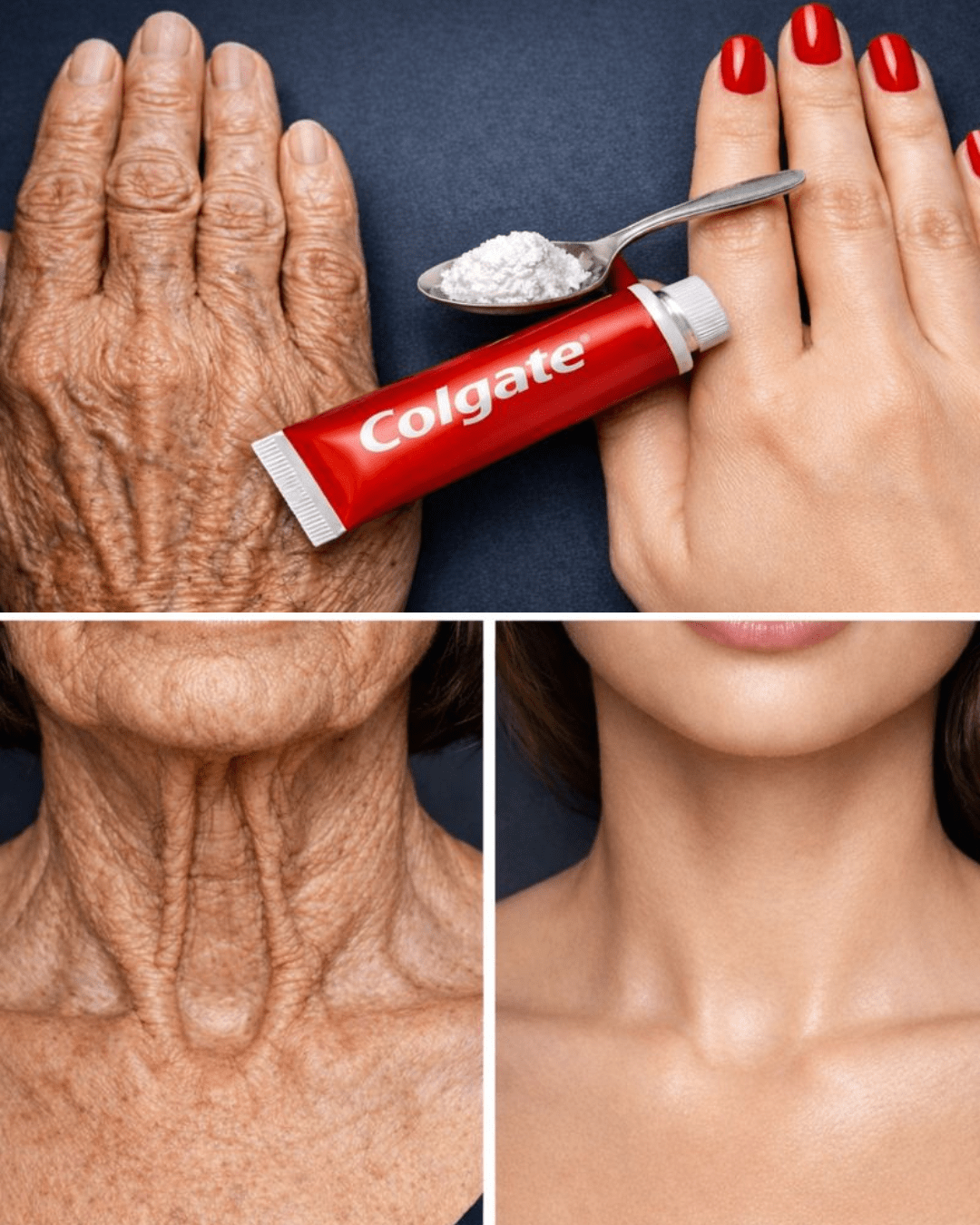
You look in the mirror and those fine lines seem deeper than yesterday. The dark spots from years of sun exposure stare back, making you feel older than you are. You’ve probably tried a viral “kitchen remedy” hoping for a quick, cheap fix—only to wake up with red, tight, irritated skin that looks worse than before.
The truth is, many of these popular hacks do more harm than good. But here’s the good news: gentle, science-backed habits can help your skin look smoother and more even—without the sting. And at the very end, I’ll share the one simple addition most people completely overlook that can speed things up dramatically.
Keep reading—you’ll wish you knew this sooner.

The Viral Myths You’ve Probably Seen All Over Social Media
Scroll through TikTok or Pinterest and you’ll find countless videos swearing that a dab of toothpaste “dries out” dark spots overnight or that baking soda scrubs away wrinkles like magic.
These tips spread fast because they’re cheap and use things already in your bathroom. Who wouldn’t want to believe a 50-cent tube could replace a $50 serum?
But dermatologists keep warning against them for a very good reason.

Why Toothpaste Is Terrible for Your Face
Toothpaste is designed to fight plaque and freshen breath—not to be gentle on the thin, delicate skin of your face.
It contains strong abrasives (like silica), foaming agents, fluoride, and often menthol or peppermint oil. When you leave it on your skin overnight, those ingredients can cause:
- Micro-tears in the skin barrier
- Severe dryness and flaking
- Contact dermatitis (red, itchy rash)
- Increased sensitivity to the sun
Research published in the Journal of Clinical and Aesthetic Dermatology has documented cases of chemical burns from toothpaste used as an acne or spot treatment. The same risk applies to age spots and wrinkles.
Why Baking Soda Isn’t Any Better
Baking soda has a pH around 9—far too alkaline for skin, which naturally sits around 4.5–5.5.
When you scrub with it or make a paste, you’re literally stripping away your skin’s protective acid mantle. Studies show this kind of aggressive exfoliation can:
- Trigger inflammation that actually speeds up aging
- Worsen hyperpigmentation in darker skin tones
- Leave skin raw and more prone to sun damage
Temporary brightness? Maybe. Long-term damage? Very likely.
Sarah’s story says it all. At 58, she tried the toothpaste-on-dark-spots hack she saw online. The next morning her cheeks were fiery red and peeling. It took two weeks for her skin to calm down—and the spots looked exactly the same.
Sound familiar?

8 Gentle, Evidence-Backed Ways to Support Smoother, Brighter Skin
Let’s count down the habits that actually move the needle—starting with the basics and working up to the game-changers.
8. Daily Broad-Spectrum Sunscreen (Yes, Every Single Day)
UV rays are responsible for up to 90% of visible aging. A 2013 study in the Annals of Internal Medicine showed that daily SPF users had 24% less skin aging than those who didn’t. This is your foundation.
7. Hydration Inside and Out
Dehydrated skin creases more easily. Drinking water + using a good moisturizer with hyaluronic acid or ceramides keeps things plump.
6. Antioxidant-Rich Foods
Berries, spinach, almonds, and green tea fight the free radicals that break down collagen. Large population studies link higher antioxidant intake with better skin elasticity.
5. Gentle Chemical Exfoliation (1–2 Times a Week)
Low-percentage lactic acid or mandelic acid removes dead cells without scrubbing. Much safer than baking soda.
4. Niacinamide (Vitamin B3) Serums
This powerhouse at 5–10% concentration strengthens the barrier, reduces inflammation, and fades dark spots. Multiple clinical trials confirm it works on melasma and post-inflammatory marks.
3. Stable Vitamin C in the Morning
L-ascorbic acid or derivatives brighten dullness and boost collagen production. A 2009 study showed significant improvement in pigmentation after 16 weeks.
2. Retinol or Retinoids (Start Low and Slow)
The gold standard for cell turnover and collagen stimulation. Prescription tretinoin or over-the-counter retinol gently smooths lines over months.
1. Consistency with a Simple, Gentle Routine
This is where most people see real change. Cleanse softly, treat wisely, moisturize well, and protect religiously.
But here’s what almost nobody talks about…

The One Overlooked Habit That Ties Everything Together
Facial massage for just 2–3 minutes while applying your serum or moisturizer.
Research from Japan (published in 2020) showed that daily facial massage improves circulation, lymphatic drainage, and product absorption—leading to visibly firmer, brighter skin in as little as 4 weeks.
Emily, 62, added this to her vitamin C + sunscreen routine and couldn’t believe the difference in her sun spots and jawline definition.
| Approach | Key Ingredient/Step | Main Benefit | Strength of Evidence |
|---|---|---|---|
| Sunscreen | Broad-spectrum SPF 30+ | Prevents new damage | Extremely strong |
| Vitamin C | Stable 10–20% serum | Brightens + collagen support | Strong clinical trials |
| Niacinamide | 5–10% serum | Evens tone, calms redness | Very strong |
| Retinol | 0.3–1% (start low) | Smooths lines over time | Gold standard |
| Hydration | Hyaluronic acid + ceramides | Plumps skin instantly | Essential |
How to Build Your New Gentle Routine (Step-by-Step)
Morning:
- Gentle cleanser (no foaming agents that strip)
- Vitamin C serum
- Moisturizer
- Mineral sunscreen SPF 30+
Evening:
- Same gentle cleanser
- Wait 20 minutes (let skin pH settle)
- Niacinamide or retinol (alternate nights if sensitive)
- Rich moisturizer
- 2-minute facial massage with clean fingertips
Pro tips:
- Patch test everything on your inner arm first
- Introduce one new product every 2–4 weeks
- Choose fragrance-free formulas if your skin is reactive
Real Stories from Real Women
Linda, 65, used to scrub with baking soda twice a week. Her skin was always tight and flaky. After switching to sunscreen, niacinamide, and nightly massage, she says her lines look softer and her complexion is the most even it’s been in a decade.
“It wasn’t dramatic overnight—but six months in, my daughter asked what I was doing differently.”
Frequently Asked Questions
Can I still use baking soda occasionally as a scrub?
Occasional use might feel okay on some skin types, but the risk of barrier damage outweighs any temporary smoothness. Safer exfoliants exist.
How long until I see results from gentle methods?
Most people notice better hydration and glow in 2–4 weeks. Fading of dark spots and softening of lines usually takes 3–6 months of daily consistency.
Will these tips work for very deep wrinkles or stubborn melasma?
They can significantly improve appearance and prevent worsening, but very deep lines or clinical melasma often benefit from professional treatments like lasers or prescription hydroquinone.
Your Skin Deserves Better Than Kitchen Experiments
You don’t need harsh hacks that leave you red and regretful. Small, consistent, gentle habits—backed by decades of research—can help restore that smooth, even look you remember.
Start with sunscreen tomorrow morning. Add one serum this week. Give your skin three months of kindness instead of punishment.
You’ll be amazed at what gentle care can do.
P.S. That 2-minute facial massage? Try it tonight while applying moisturizer. Thank me later.
This article is for informational purposes only and is not a substitute for professional medical advice. Always consult a board-certified dermatologist for personalized skin care recommendations, especially if you have sensitive skin or underlying conditions.