 By admin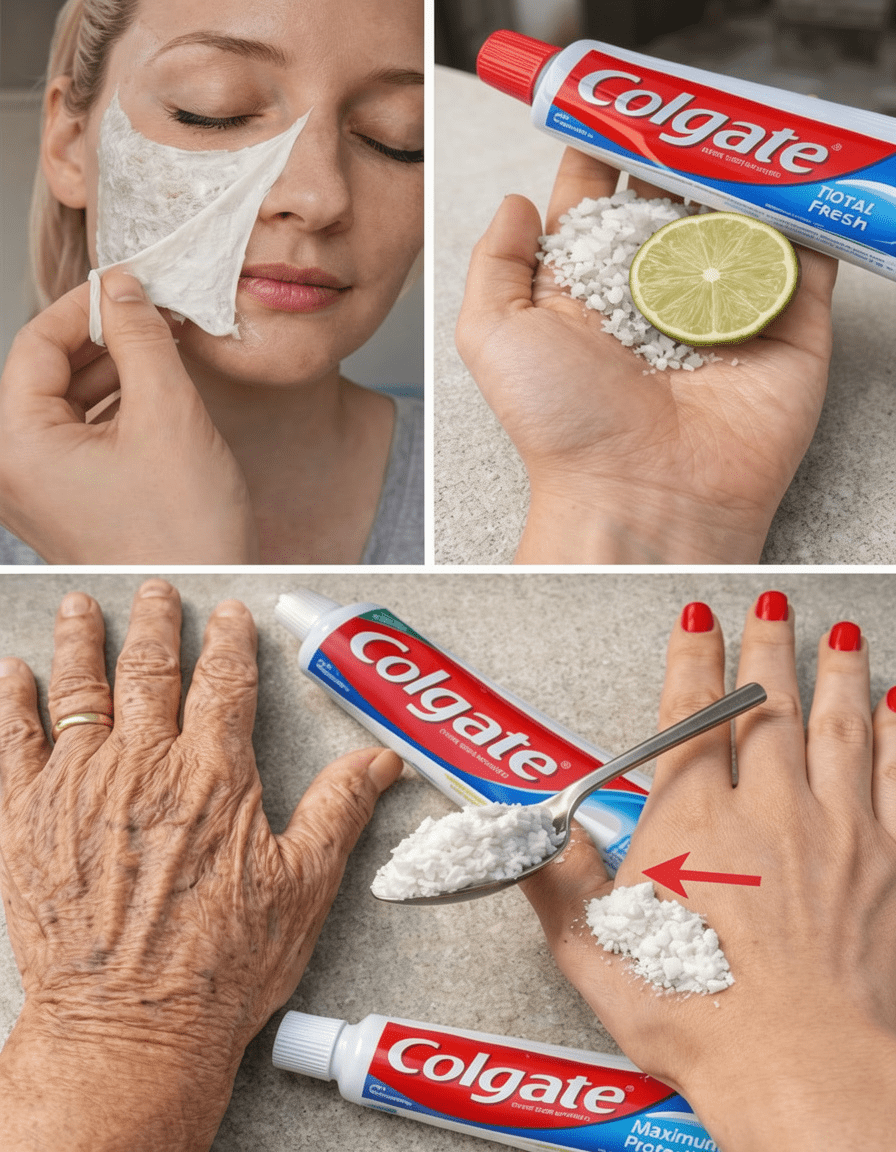
Wrinkles and dark spots appear as we age, often from sun exposure, natural time passing, and everyday life stresses that leave visible marks on the skin. Many people search for fast, inexpensive fixes using items already in their kitchen, hoping to smooth lines or fade spots quickly without spending much. Unfortunately, popular online suggestions like applying toothpaste or baking soda directly to the face can lead to irritation, redness, dryness, and even worsen skin concerns over time. Dermatologists consistently caution against these methods because the ingredients are formulated for oral hygiene or household use, not delicate facial skin. The good news is that gentler, evidence-based approaches exist that support skin health more safely and effectively—starting with simple daily habits that build real results.

The Common Myth Many People Fall For
Viral tips promise that toothpaste can dry out spots or that baking soda exfoliates away lines and pigmentation. These hacks spread quickly because they seem easy and use everyday products. In reality, these approaches often cause more issues than they solve.
Why Dermatologists Advise Caution with Toothpaste and Baking Soda
Toothpaste includes abrasives, fluoride, menthol, and sometimes hydrogen peroxide or alcohol—ingredients designed to clean teeth and freshen breath. When applied to facial skin, they can strip natural oils, trigger inflammation, and cause burning or stinging sensations. This irritation may even lead to post-inflammatory hyperpigmentation, making dark spots appear darker in the long run.
Baking soda has a high alkaline pH (around 8-9), far from the skin’s natural acidic range (about 4.5-5.5). Applying it disrupts the skin barrier, leading to dryness, sensitivity, and potential long-term damage. While it might offer temporary exfoliation, research and expert opinions highlight risks like increased irritation and barrier breakdown, which can aggravate aging signs rather than improve them.
But that’s not all—real stories show why switching to kinder options matters.

Sarah’s Experience: A Lesson in Trial and Error
Sarah, in her late 50s, spotted a viral tip suggesting toothpaste for stubborn dark spots. Hoping for a quick improvement, she applied it overnight. By morning, her skin was red, tight, and uncomfortable. “It felt harsh and made things worse,” she shared. After consulting a dermatologist and shifting to a consistent, gentle routine, her skin calmed down and gradually looked more even. Her story highlights how well-intentioned hacks can backfire on sensitive, mature skin.
Top Evidence-Backed Ways to Support Smoother, More Even Skin
Here are gentler strategies that dermatologists often recommend, supported by studies on skin health. These focus on protection, nourishment, and gradual renewal without harshness.
- Daily Broad-Spectrum Sunscreen
UV rays are a primary cause of wrinkles and dark spots. Applying broad-spectrum SPF 30+ every day helps prevent further damage and supports existing skin health. Research strongly backs consistent sun protection as foundational for maintaining smoother appearance. - Hydration Inside and Out
Drinking plenty of water and using a good moisturizer keeps skin plump, reducing the look of fine lines. Hydrated skin reflects light better and feels softer. - Antioxidant-Rich Foods
Eating berries, leafy greens, and nuts provides internal support against free radicals that contribute to aging signs. Studies link these nutrients to healthier-looking skin over time. - Gentle Weekly Exfoliation
Mild chemical exfoliants (like low-percentage AHAs) remove dead cells without scrubbing harshly. This can reveal fresher skin, but always start slow to avoid irritation. - Niacinamide Serums
This form of vitamin B3 (often at 5-10%) helps even skin tone, strengthen the barrier, and reduce the appearance of spots. Research shows it offers promising benefits for pigmentation and overall texture. - Vitamin C Applications
Stable forms of vitamin C brighten skin and support collagen. Clinical trials indicate it may help fade pigmentation gradually while providing antioxidant protection. - Retinoids Over Time
Gentle retinoids encourage cell turnover and collagen production. Evidence supports their role in softening wrinkles and improving tone when introduced slowly and paired with sunscreen. - Consistent Gentle Routine
The most powerful approach is daily cleansing, treating, moisturizing, and protecting. Many notice softer lines and faded spots with patience and consistency.

Here’s a quick comparison of some key supportive elements:
| Approach | Key Element | Potential Support | Evidence Note |
|---|---|---|---|
| Sunscreen | Broad-spectrum SPF | Prevents new damage | Strongly backed by studies |
| Vitamin C | Stable serum | Brightens, antioxidant | Clinical trials show benefits |
| Niacinamide | 5-10% concentration | Evens tone, barrier support | Research on pigmentation |
| Hydration | Moisturizer + water | Plumps skin | Essential for appearance |
| Retinoids | Gentle forms | Encourages renewal | Supports wrinkle softening |
Emily’s Journey: From Concern to Renewed Confidence
Emily, 62, felt self-conscious about deepening lines and sun spots. Past harsh attempts only irritated her skin more. Embracing daily sunscreen, a vitamin C serum, and occasional soothing masks like aloe, she saw gradual soothing and lightening. “My skin feels calmer and looks brighter after months,” she said. Small, steady changes made a big difference.

What Science Says About Supporting Skin Health
Studies emphasize sun protection’s role in preventing further wrinkles and spots. Antioxidants like vitamin C show benefits in reducing pigmentation over time. Retinoids promote healthy cell turnover when used properly, and niacinamide helps balance tone. Results vary by individual, but consistency and patience often lead to noticeable improvements.
Linda’s Path: Finding Empowerment in Simplicity
Linda, 65, dealt with dry patches that made wrinkles more noticeable. After irritation from trendy hacks, she focused on hydration and niacinamide. Her skin felt softer, tone evened, and lines appeared less pronounced. “Keeping it simple felt empowering,” she noted.
Safe Steps to Start Supportive Habits Today
Incorporate changes gradually for comfort:
- Patch test any new product on your inner arm for 24-48 hours.
- Layer sunscreen as the last morning step; reapply every 2 hours outdoors.
- Choose fragrance-free options if your skin is sensitive.
- Start with one or two products, like a gentle cleanser and moisturizer.
- Monitor how your skin responds and adjust as needed.
Here’s a simple starter routine:
- Cleanse: Use a gentle, non-foaming cleanser twice daily (avoid hot water).
- Treat: Apply vitamin C in the morning or niacinamide as tolerated.
- Moisturize: Seal with a hydrating cream morning and night.
- Protect: Finish with mineral-based SPF 30+ daily.
Addressing Common Doubts
“I’ve seen these hacks work for others—why not try?” Temporary drying might look like improvement at first, but risks like irritation often outweigh benefits. Formulated skincare is safer and more reliable.
“What if my skin is sensitive?” Begin with minimal products, build slowly, and consult a professional for tailored advice.
Don’t Wait—Gentle Care Can Make a Difference
Small steps today support healthier-looking skin tomorrow. These habits offer protection, brightening potential, and renewal without unnecessary risks. Imagine looking in the mirror with more confidence in your natural glow.
Start with one change: apply sunscreen every morning or try a gentle serum. Notice how your skin responds over weeks.
P.S. A quick bonus: Gentle facial massage with clean hands can boost relaxation and circulation.
Frequently Asked Questions
Can toothpaste or baking soda really help with wrinkles or dark spots?
No—dermatologists warn these can irritate skin and disrupt its natural balance, potentially worsening concerns rather than helping.
How long does it take to see improvements in dark spots or wrinkles?
Many notice subtle changes in 4-12 weeks with consistent use of sunscreen, vitamin C, or niacinamide, though full benefits often take months.
Is sunscreen necessary even on cloudy days?
Yes—UV rays penetrate clouds and contribute to aging signs year-round; daily broad-spectrum protection is key.
This article is for informational purposes only and is not a substitute for professional medical advice. We recommend consulting your healthcare provider or dermatologist for personalized guidance.