 By admin
 Waking up to a desert-like sensation in your mouth can be incredibly disruptive and uncomfortable. That feeling of a parched tongue clinging to your palate, an irritated throat, or even being roused from sleep by intense dryness is a common experience for many. This uncomfortable condition, often known as nocturnal xerostomia, not only exacerbates morning breath and sends you scrambling for a glass of water, but it can also significantly impact your sleep quality and overall well-being. While frequently linked to the natural aging process, understanding the root causes of this nighttime dry mouth can empower you to find effective solutions and enjoy more refreshed mornings. This comprehensive guide delves into the primary reasons behind waking up with a dry mouth and offers insights into how to alleviate this persistent issue. We’ll even uncover a simple, often-overlooked daily habit that could dramatically improve your overnight saliva production.
- Natural Decline in Saliva Production with Age and During Sleep
It’s entirely normal for your body to reduce saliva flow while you’re asleep; this is a physiological aspect of the resting state. However, the aging process significantly amplifies this effect. Studies indicate a noticeable decrease in resting saliva production, with some findings suggesting a 30-40% reduction in older adults compared to their younger counterparts. This decline is attributed to age-related alterations in the salivary glands and is often influenced by an individual’s general health status. If you’re over 60 and experiencing increased nocturnal dryness, it’s frequently a result of this natural physiological shift combined with other lifestyle factors or underlying health conditions. While aging itself seldom leads to severe dry mouth, recognizing its contribution is vital for identifying other potential causes.
- Mouth Breathing, Snoring, or Undiagnosed Sleep Apnea
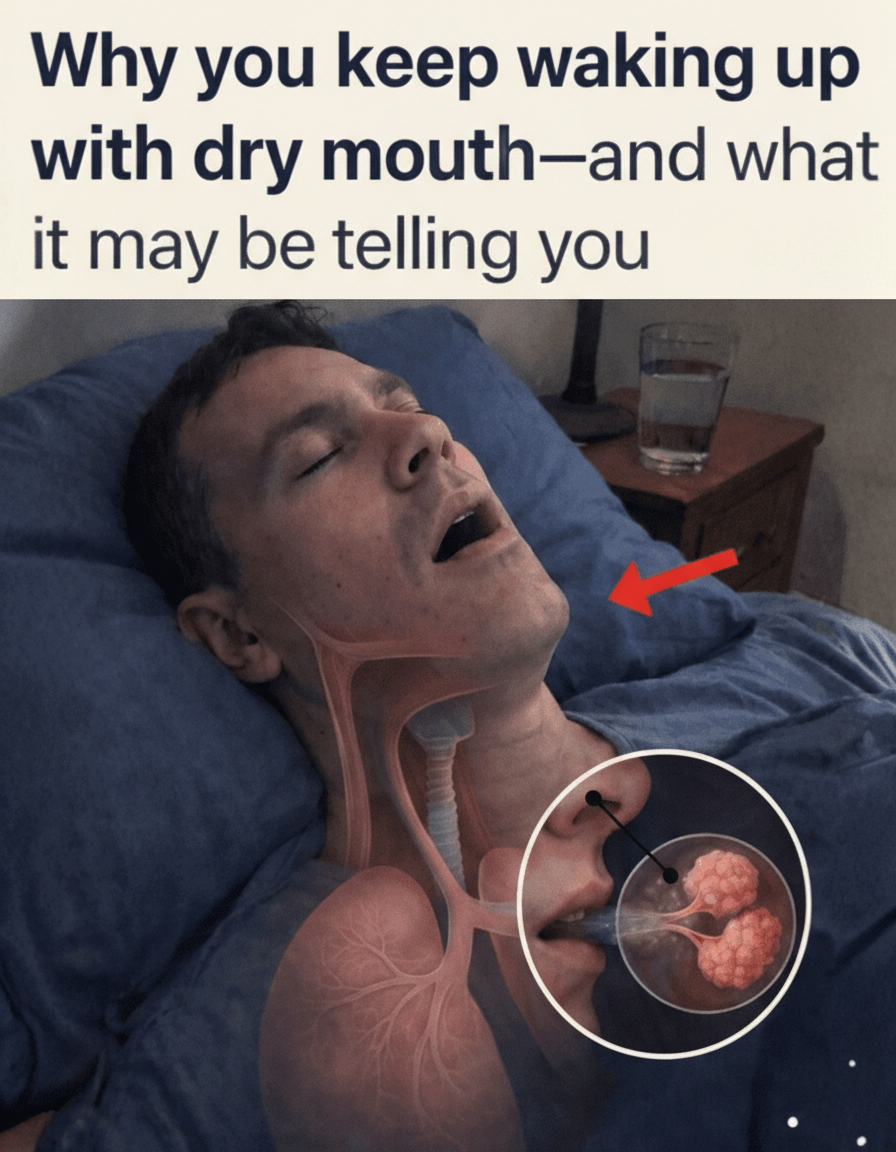
A primary cause of waking up with a dry mouth is unconscious mouth breathing during sleep, rather than nasal breathing. As air flows continuously over your oral tissues, it rapidly evaporates saliva, leading to that parched sensation by morning. Conditions like chronic snoring or obstructive sleep apnea frequently compel individuals to breathe through their mouths due to obstructed nasal passages or intermittent breathing pauses. You might be unaware of this habit, but common indicators include persistent morning fatigue, a significantly dry mouth, and a sore or scratchy throat. Fortunately, resolving underlying issues such as nasal congestion or other airway obstructions can substantially mitigate this effect.
- Medication-Induced Dry Mouth (Xerostomia)
A vast number of commonly prescribed and over-the-counter medications can list dry mouth, or xerostomia, as a potential side effect. These often include drugs used to manage conditions such as hypertension (high blood pressure), allergies, depression, anxiety, and various forms of pain. Their mechanism often involves interfering with the nerve signals responsible for stimulating saliva glands. If you notice the onset or exacerbation of dry mouth symptoms after initiating a new medication, it’s a critical observation. Research consistently shows that polypharmacy—the simultaneous use of multiple drugs—significantly elevates the risk of developing medication-related dry mouth. The encouraging news is that practical strategies can often alleviate these symptoms without requiring a change in your vital treatment regimen.
- Dehydrating Evening Habits
Your lifestyle choices in the hours leading up to bedtime significantly influence your body’s hydration levels and, consequently, your overnight saliva production. Insufficient water intake throughout the day means your body has less fluid reserves to maintain adequate moisture in your mouth during sleep. Furthermore, consuming diuretics like caffeine (found in coffee, tea, and soda) and alcohol in the evening actively depletes your body of water, directly impacting saliva flow. Alcohol also has the added effect of relaxing throat muscles, which can exacerbate snoring and encourage mouth breathing. Tobacco use, whether smoking or vaping, directly irritates oral tissues and further suppresses salivary gland function. Implementing minor adjustments to your evening routine—such as opting for a glass of water or herbal tea instead of a late-night caffeinated beverage or alcoholic drink—can dramatically improve morning comfort.
- Underlying Autoimmune Conditions, Such as Sjögren’s Syndrome
In certain instances, a persistent sensation of dry mouth can be a key indicator of an underlying autoimmune disorder. These conditions involve the body’s immune system mistakenly attacking its own moisture-producing glands. Sjögren’s syndrome