 By admin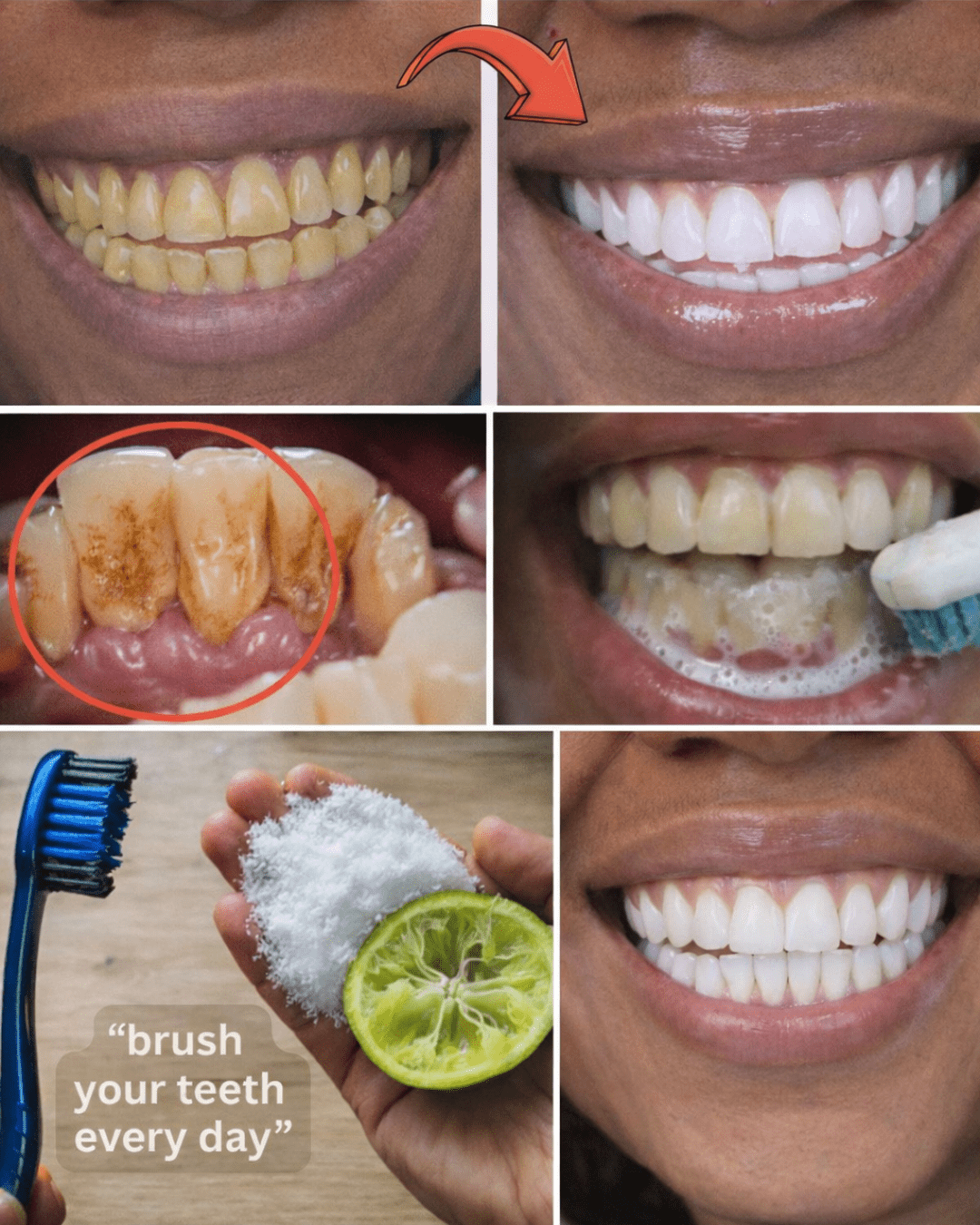
The viral images circulating online show dramatic before-and-after transformations: yellow, stained teeth turning into bright, shiny white smiles seemingly overnight. Many claim it’s possible with a simple mix of baking soda and fresh lemon juice, brushed on for just a couple of minutes daily. These posts promise quick, natural results that make your teeth look “milky white” without expensive treatments. But while the appeal is understandable—especially when dealing with stubborn coffee, tea, or food stains—the reality isn’t as straightforward or safe as it appears.
Yellowed teeth can chip away at your confidence, making you hesitate to smile fully or feel self-conscious in photos and conversations. It’s frustrating when daily brushing doesn’t seem to cut through surface discoloration built up over years. Social media makes it tempting to try quick fixes, but many overlook the hidden risks that could lead to more problems down the line. Here’s the good news: there are gentler, evidence-based ways to brighten your smile naturally and safely—without gambling your enamel. Stick around, because toward the end, I’ll share a step-by-step approach that’s kinder to your teeth and still delivers noticeable improvements.

Why Teeth Turn Yellow in the First Place
Tooth discoloration happens for a few common reasons. Surface stains (extrinsic) come from foods like coffee, red wine, berries, and tobacco, plus plaque buildup. Over time, enamel thins naturally with age, revealing the yellower dentin underneath (intrinsic discoloration). Poor oral hygiene, certain medications, or excessive fluoride can worsen it too.
Research shows that mild abrasives can help lift surface stains effectively. For instance, studies on baking soda-based products demonstrate they remove plaque and stains better than some non-baking-soda toothpastes, thanks to their gentle scrubbing action and ability to create a less acidic environment in the mouth.
But not all “natural” methods are created equal—especially when acids enter the picture.

The Truth About Baking Soda and Lemon for Teeth Whitening
Baking soda (sodium bicarbonate) acts as a mild abrasive that scrubs away surface stains without being too harsh when used properly. Some research, including reviews in dental journals, supports its role in stain removal and whitening when part of a formulated toothpaste.
Lemon juice brings citric acid, which can break down stains through a bleaching-like effect. A few lab studies have noted color changes with lemon juice or baking soda individually over short periods.
However, combining them creates issues. Lemon juice is highly acidic (low pH), and while baking soda is alkaline, mixing them at home doesn’t reliably neutralize the acid. The result? The mixture can erode tooth enamel—the hard, protective outer layer that doesn’t regenerate. Once enamel wears down, teeth become more sensitive, prone to decay, and may look yellower as dentin shows through.
Multiple dental sources and studies warn that frequent use of acidic/abrasive DIY mixes like this risks enamel damage, gum irritation, and increased sensitivity. What looks like a quick win in “before-and-after” photos often hides long-term harm.
But that’s not the full story…

Safer Natural Ways to Brighten Your Smile
You don’t need risky hacks to see real improvement. Focus on gentle, evidence-supported options that prioritize enamel health.
Here are some effective, low-risk natural approaches:
- Baking Soda Alone (Used Sparingly) — Mix with water for a gentle paste. Studies show baking soda dentifrices safely remove stains when limited to 2-3 times per week.
- Strawberry Puree — Contains malic acid, which may help mild stain removal (though effects are subtle).
- Oil Pulling — Swishing coconut oil can reduce plaque and bacteria, indirectly supporting a cleaner, brighter look.
- Whitening Toothpastes — Many contain safe levels of baking soda or mild peroxides approved for daily use.
And here’s a quick comparison:
| Method | Potential Benefits | Key Risks | Recommended Frequency |
|---|---|---|---|
| Baking Soda + Water | Removes surface stains gently | Abrasion if overused | 2-3x/week |
| Baking Soda + Lemon | May lift stains faster initially | High enamel erosion risk | Avoid regular use |
| Commercial Whitening Toothpaste | Safe, consistent results | Minimal if ADA-approved | Daily |
| Professional Treatments | Dramatic, long-lasting whitening | Cost, temporary sensitivity | As needed |
The key? Consistency with safe methods beats aggressive shortcuts.

Actionable Tips: A Gentle 2-Minute Daily Routine for Brighter Teeth
Want noticeable results without the dangers? Try this simple, enamel-friendly routine you can start today:
- Brush Properly Twice Daily — Use a soft-bristled toothbrush and fluoride toothpaste. Brush for 2 minutes, gently covering all surfaces to remove plaque before it stains.
- Incorporate Baking Soda Occasionally — Once or twice a week, dip your wet toothbrush in a small amount of baking soda and brush gently for 1-2 minutes. Rinse thoroughly. This helps polish away surface stains.
- Rinse with Water After Acidic Foods/Drinks — Coffee, soda, or citrus? Swish water immediately to neutralize acids and prevent staining.
- Add Crunchy Fruits/Veggies — Apples, carrots, and celery act as natural scrubbers, helping clean teeth while you eat.
- Limit Stain-Causing Habits — Reduce coffee/tea, use a straw for dark drinks, and quit smoking if possible.
- See Your Dentist Regularly — Professional cleanings remove tartar that home care can’t touch, revealing a naturally whiter smile.
Follow this consistently, and many people notice brighter teeth in 2-4 weeks—without risking damage.
Conclusion: Get the Smile You Deserve—Safely
Achieving a brighter, more confident smile is absolutely possible with patience and smart choices. Skip the viral hacks that promise “shiny milky white” teeth in minutes—they often trade short-term wow for long-term regret. Instead, lean on gentle abrasion from baking soda (sparingly), solid daily hygiene, and professional guidance when needed. Your teeth will thank you with lasting health and radiance.
FAQ
1. Can baking soda alone really whiten teeth?
Yes, when used moderately. Research supports baking soda for removing surface stains safely in toothpastes or occasional pastes, but it’s not a miracle cure for deep discoloration.
2. How long does it take to see results from natural whitening methods?
Surface stain improvements can appear in 1-4 weeks with consistent gentle care. Deeper changes often require professional options.
3. Are there any safe alternatives to DIY lemon mixes?
Absolutely—opt for ADA-approved whitening toothpastes, over-the-counter strips (used as directed), or dentist-supervised treatments for effective, lower-risk brightening.
Disclaimer: This article is for informational purposes only and not a substitute for professional dental advice. Always consult a dentist before trying new oral care routines, especially if you have sensitive teeth, gum issues, or existing dental conditions. Individual results vary, and improper use of any method can harm oral health.