 By admin
 White Spots on Your Skin: A Comprehensive Guide to Causes, Meanings, and Solutions
Discovering lighter areas or distinct white spots on your skin can be a source of concern, particularly when they emerge unexpectedly or become more prominent after sun exposure. These pigment changes frequently appear on visible areas such as the arms, back, chest, or face, leading to an uneven skin tone that might affect your self-perception. While many individuals might dismiss them as minor or simply a sign of aging, gaining insight into the potential origins of these spots offers clarity and helps you determine if and when professional medical advice is needed. Could some of these spots be harmless, stemming from everyday factors like sun exposure or minor skin imbalances, while others signal a condition requiring closer attention? This detailed guide will explore the most prevalent causes of white spots on the skin, drawing on dermatological insights to help you identify patterns and make informed decisions about your skin health. Continue reading to uncover crucial details often overlooked.
The Subtle Appearance: Why White Spots Often Go Unnoticed Initially
As we age, particularly beyond 40, our skin naturally undergoes various transformations, including a gradual reduction in uniform pigmentation, especially in areas frequently exposed to the sun. These hypopigmented patches—sections of skin lighter than the surrounding areas—can develop slowly, becoming more apparent against tanned or darker complexions after summer months or extensive outdoor activities. Research indicates that factors such as chronic ultraviolet (UV) exposure and mild inflammation often contribute to these changes, which can be temporary or persistent. Although the majority of these spots are benign, early observation can alleviate unnecessary anxiety or facilitate timely management if required.
Common Fungal Culprit: Tinea Versicolor
One of the most frequent reasons for the appearance of white or lighter patches, commonly found on the back, chest, and upper arms, is tinea versicolor (also known as pityriasis versicolor). This condition arises when Malassezia, a yeast naturally present on the skin, multiplies excessively. This overgrowth is often triggered by warm, humid environments or increased sweating. Studies suggest that this yeast interferes with normal melanin production, resulting in spots that may have a fine scale and do not tan uniformly. These patches are typically harmless and not contagious, though their contrast can become more pronounced after sun exposure.
Effective strategies many individuals find beneficial include:
- Utilizing over-the-counter antifungal shampoos (containing active ingredients like selenium sulfide or ketoconazole) as a body wash for affected regions.
- Maintaining rigorous personal hygiene and ensuring skin remains dry in humid climates.
- Applying broad-spectrum sunscreen to minimize the visual difference between affected and unaffected skin.
Should the spots be accompanied by scaling or mild itching, a consultation with a dermatologist can provide a definitive diagnosis and recommend appropriate treatment.
Sun-Related Pigment Changes: Idiopathic Guttate Hypomelanosis (IGH)
Do you notice small, round white dots—typically 2-5 mm in diameter—on your forearms, shins, or other sun-exposed areas? This presentation is characteristic of idiopathic guttate hypomelanosis (IGH), sometimes informally referred to as “white sun spots.” This condition becomes more common with advancing age, affecting over 50% of individuals above 40 and up to 90% of those over 80, according to dermatological observations. IGH is strongly linked to long-term cumulative UV exposure, which progressively impacts the skin’s pigment-producing cells. These spots are generally painless, smooth to the touch, and do not aggressively spread. Daily application of a broad-spectrum sunscreen with an SPF of 30 or higher is a crucial preventive measure, as it can help inhibit the formation of new spots. Consistent, gentle skin protection practices contribute significantly to overall skin health for individuals prone to sun damage.
Inflammation’s Mark: Pityriasis Alba
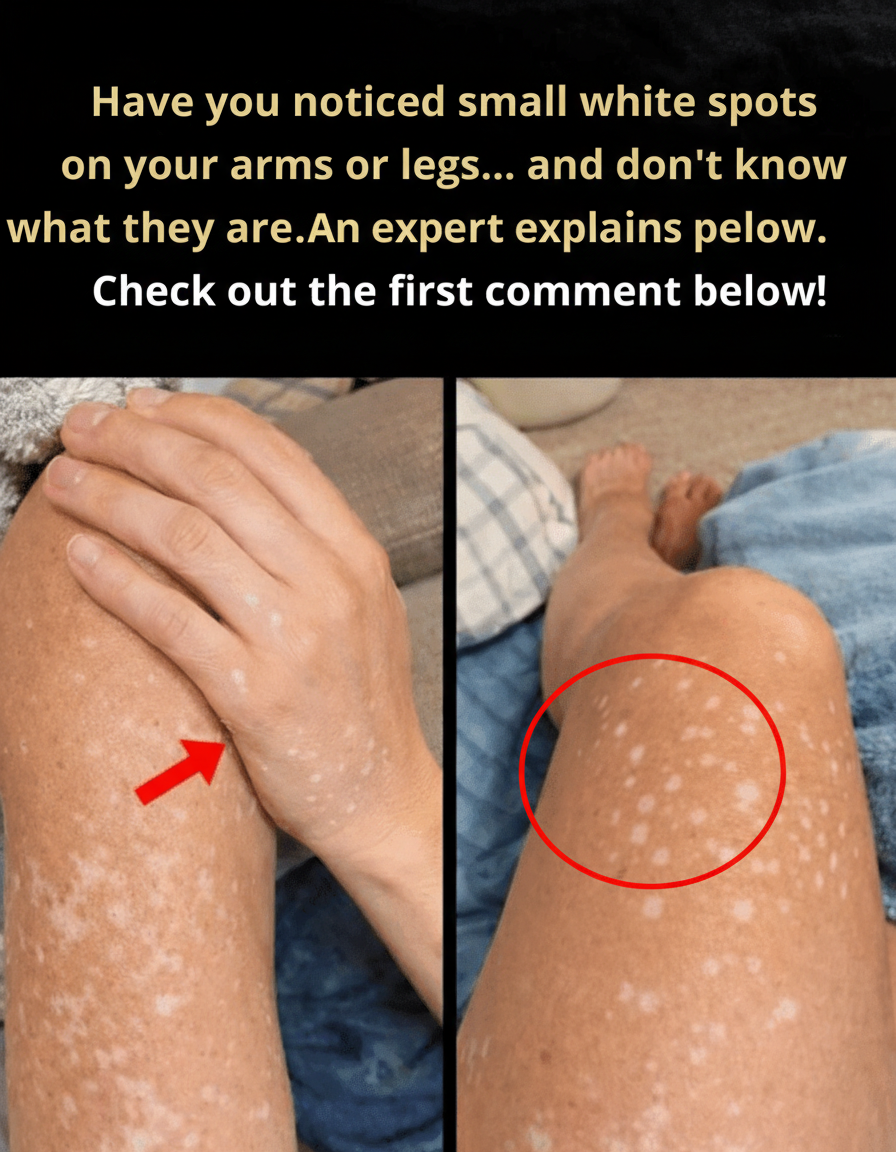
Pityriasis alba typically manifests as mildly scaly, lighter patches on the face, arms, or upper body, frequently observed in individuals with a history of dry skin or eczema. While it commonly affects children and young adults, it can persist or emerge later in life. Research connects this condition to mild atopic dermatitis, where inflammation temporarily disrupts melanin production. These patches often fade over time with diligent moisturizing and sun protection.
Key recommendations for supporting skin recovery include:
- Applying fragrance-free moisturizers daily to ensure consistent skin hydration.
- Avoiding harsh soaps or excessively hot showers, which can strip the skin of its natural oils.
- Using gentle, non-irritating skincare products to reduce the likelihood of flare-ups.
Autoimmune Factor: Vitiligo
Vitiligo is an autoimmune condition where the body’s immune system mistakenly attacks and destroys melanocytes—the cells responsible for producing skin pigment. This leads to the development of distinct, well-defined white patches that can initially appear on the hands, face, or other body parts and may gradually enlarge or spread. Affecting approximately 1% of the global population, vitiligo can have significant emotional and psychological impacts due to its visible nature. While the precise triggers can vary, early recognition allows for proactive monitoring and management. Many individuals find substantial benefit in dermatologist-guided approaches to control its progression and improve cosmetic appearance.
Other Notable Causes of Hypopigmentation
Post-Inflammatory Hypopigmentation: Lighter areas on the skin can emerge after the healing process of various skin conditions, such as rashes, injuries, eczema flare-ups, or certain dermatological procedures. The underlying inflammation during these events can disrupt the normal functioning of pigment-producing cells, leading to temporary or sometimes persistent lightening of the affected skin. This usually resolves over time as the skin fully recovers.
When to Seek Professional Advice
While many causes of white spots on the skin are benign, it’s always advisable to consult a dermatologist if you:
- Notice new white spots appearing or existing spots changing in size, shape, or texture.
- Experience itching, scaling, pain, or any discomfort associated with the spots.
- Are concerned about the cosmetic appearance of the spots.
- Suspect vitiligo or any other condition that might require medical management.
A dermatologist can accurately diagnose the cause of your white spots and recommend the most appropriate course of action, ensuring your skin health is properly managed.