 By admin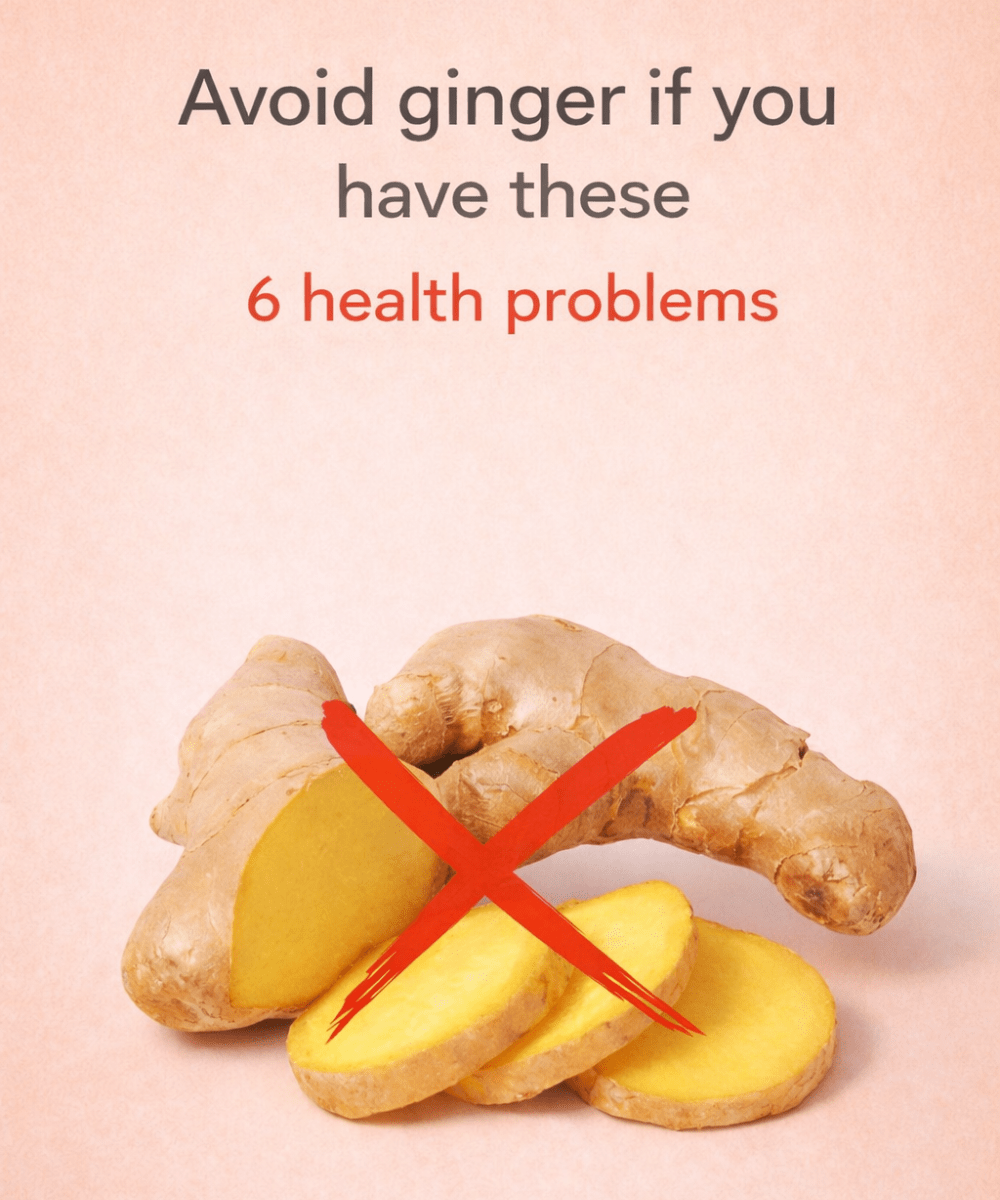
Ginger has become a go-to natural remedy for soothing digestion and easing nausea, bringing welcome relief to countless people dealing with everyday discomfort. Yet, for some, relying on it too heavily—or in the wrong situations—can lead to frustrating issues like stomach irritation, unexpected bleeding, or even disrupted rest, turning a helpful spice into an unwelcome problem. The good news? By understanding these potential drawbacks and knowing when to hold back, you can still enjoy ginger’s benefits without the downsides—and there’s a straightforward way to do that safely, which we’ll reveal as you read on.

Why Ginger Isn’t Always Risk-Free
Ginger’s warming, active compounds like gingerol give it those invigorating properties that support wellness for many. But that’s not the full story—research from sources like the National Center for Complementary and Integrative Health (NCCIH) and WebMD shows these same compounds can sometimes interact with the body in ways that amplify sensitivities or existing conditions.
For most people, moderate amounts feel supportive. However, in certain scenarios, ginger can tip the scales toward discomfort. Here’s where extra caution comes in.

Ginger During Pregnancy: Proceed with Care
Many turn to ginger for morning sickness relief, and studies reviewed by the NCCIH suggest it can help in small doses. Yet, higher amounts may pose concerns, especially later in pregnancy.
Evidence indicates ginger is generally safe in food amounts, but exceeding recommendations could add unnecessary risks. Always discuss with your healthcare provider first—they can guide based on your situation.
How Ginger Might Impact Sleep and Daily Energy
Ginger’s natural stimulating effects can provide a gentle boost during the day, which feels great when you need it. But if evenings bring restless nights, consuming it later might heighten alertness right when you’re trying to unwind.
Some find its thermogenic properties disrupt sleep quality. The fix? Shifting intake to mornings or early afternoons often helps maintain that energy without the nighttime interference.

Ginger and Potential Bleeding Concerns
One key area for caution is ginger’s mild influence on blood clotting—compounds similar to salicylates can slightly thin the blood, per reviews on WebMD and Mayo Clinic.
This becomes relevant for:
- Those with bleeding disorders
- People experiencing heavy menstrual flows
- Anyone preparing for surgery
In these cases, higher intake might heighten risks like:
- Increased bruising
- Prolonged bleeding times
- Worsening of conditions such as hemorrhoids
Monitoring closely and consulting a professional is essential if this applies to you.
Ginger for Those with Sensitive Digestion
Ginger often aids digestion, but it can also stimulate stomach acid production. If heartburn or reflux already flares up after meals, larger amounts might intensify that burning feeling.
Sources like Mayo Clinic note this is more common in sensitive individuals—starting small helps test tolerance without irritation.

Key Medication Interactions to Watch
Ginger can sometimes amplify certain drugs’ effects, leading to imbalances. Common examples include:
- Diabetes medications: May lower blood sugar further, risking low levels
- Blood pressure drugs: Could contribute to drops, causing dizziness
- Anticoagulants: Heightened bleeding potential, as noted in multiple studies
If managing these feels challenging, adding ginger without guidance might complicate things. Research consistently advises professional input here.
Ginger and Gallbladder Health
Ginger promotes bile flow, which supports digestion in healthy individuals. However, for those with gallstones, this increased activity could trigger pain or issues.
Studies and expert guidance recommend caution in these cases to avoid aggravating symptoms.

Safe and Enjoyable Ways to Use Ginger
For most without the concerns above, ginger fits nicely into daily routines. General guidelines suggest 1-4 grams daily (roughly 1-2 teaspoons fresh grated) for safety, based on reviews from NCCIH and Mayo Clinic.
Practical tips to incorporate it mindfully:
- Steep thin slices in hot water for soothing tea
- Grate fresh root into stir-fries or salads for subtle flavor
- Blend small amounts into smoothies
- Pause regular use every few weeks to prevent buildup
Here’s a quick comparison of forms:
| Form of Ginger | Suggested Daily Amount | Notes |
|---|---|---|
| Fresh root | 1-4 grams (1-2 tsp grated) | Versatile and mild; great for cooking/teas |
| Powdered | 0.5-1 gram | More concentrated—start low |
| Tea | 1-3 cups | Hydrating and gentle if not too strong |
Starting low and observing how your body responds keeps things enjoyable.
Wrapping Up: Balancing Benefits and Caution
Ginger can offer natural support when approached thoughtfully, but tuning into your personal health picture ensures it stays helpful. Moderation, timing, and professional advice when needed let you navigate it confidently—enjoy the warmth without worry.
Frequently Asked Questions
Is it safe to consume ginger every day?
Yes, for most healthy adults in moderation (up to 4 grams daily). Studies support general use, but tailor to your tolerances.
Can ginger cause heartburn?
In some, especially higher amounts, it may increase stomach acid and lead to discomfort. Reduce or pair with food if noticed.
Who should limit high ginger intake?
Those on blood thinners, with gallstones, digestive sensitivities, pregnancy, or certain medications—consult a doctor.
Disclaimer: This article is for informational purposes only and is not intended as medical advice. Ginger is not a substitute for professional healthcare. Consult your doctor before making dietary changes, especially if you have health conditions or take medications.