 By admin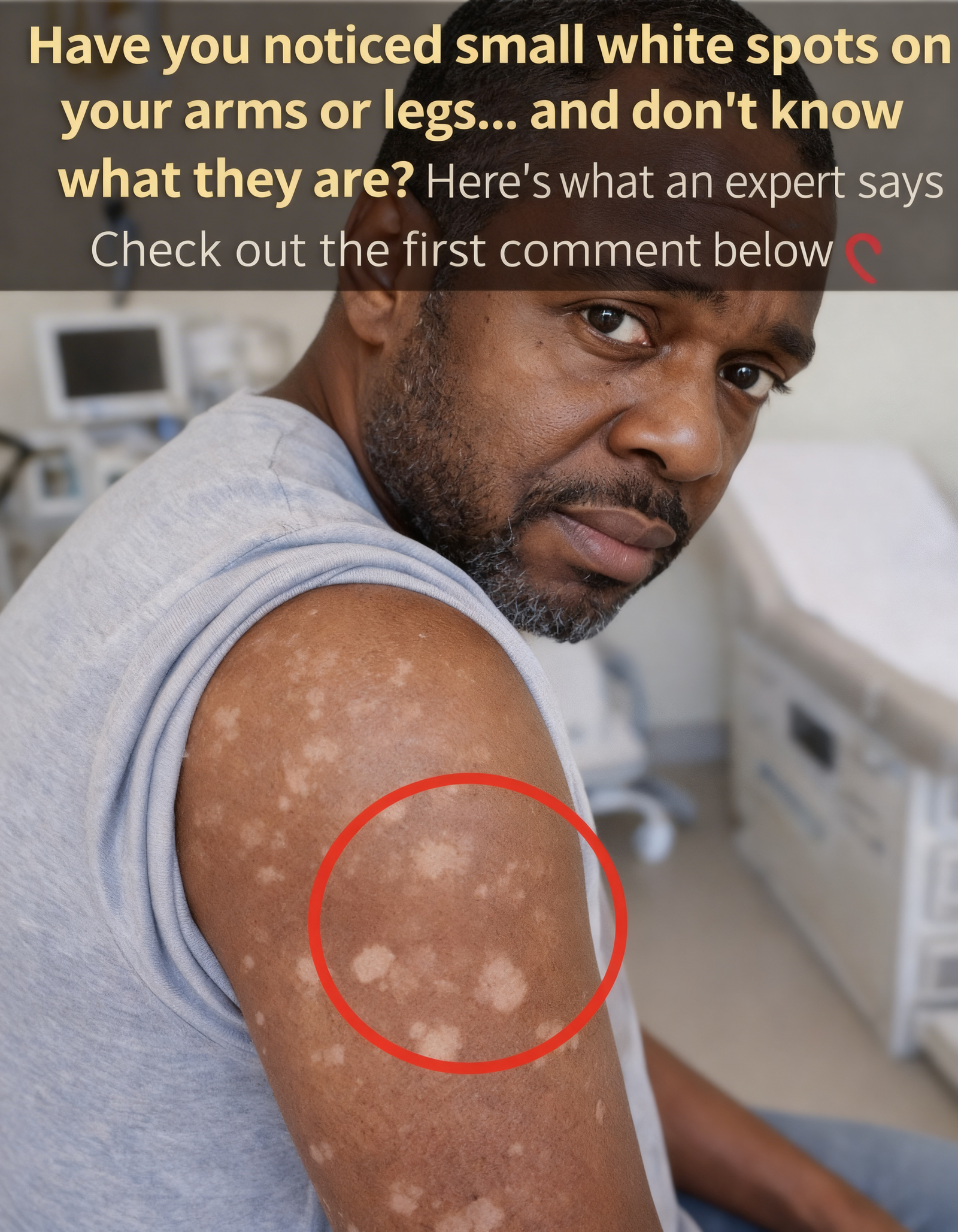
Those small white spots on your skin can appear suddenly and leave you wondering if something’s wrong, especially when they stand out against your natural tone and make you self-conscious about showing skin. It’s frustrating to spot these tiny dots on your arms, legs, or back—areas you expose daily—and worry they might spread or signal a deeper issue, disrupting your confidence in photos, at the beach, or even in everyday clothes. The good news is that in most cases, these spots are harmless and stem from very common, manageable factors that research from dermatology experts has clearly identified.
But here’s the intriguing part: understanding the real reasons behind them often reveals simple steps that can help maintain even skin tone and prevent more from appearing—details many people overlook until later.

What Exactly Are Small White Spots on the Skin?
Small white spots, often called hypopigmented areas, occur when the skin produces less melanin—the pigment that gives your complexion its color—in certain spots. These can range from pin-sized dots to slightly larger patches, and they’re usually flat and smooth.
Unlike raised bumps or red rashes, these spots typically don’t itch or hurt. Studies show they’re extremely common, especially as we age or spend time outdoors, affecting people of all skin tones though more noticeable on darker complexions.

Common Causes of Small White Spots
Several everyday factors can lead to these spots. Here’s a breakdown of the most frequent ones, backed by insights from dermatological sources like Cleveland Clinic and Healthline.
1. Idiopathic Guttate Hypomelanosis (IGH) – Often Called “White Sun Spots”
This is one of the top causes for small, discrete white dots, especially on sun-exposed areas like arms, legs, and upper back.
Research links it to long-term UV exposure, which gradually reduces melanin in localized spots. These spots are usually 1-5 mm, round, and permanent but completely benign.
But that’s not all—genetics and fair skin types play a role too, making some people more prone even with moderate sun history.
2. Tinea Versicolor – A Common Fungal Overgrowth
Caused by an overgrowth of yeast (Malassezia) naturally present on skin, this leads to flaky, lighter (or sometimes darker) patches that become more obvious after sun exposure.
It’s especially prevalent in warm, humid climates or with oily skin. The spots often appear on the chest, back, or shoulders and may scale slightly if scratched.
The exciting truth? It’s easily manageable with proper care, and many see improvement in cooler months.

3. Vitiligo – An Autoimmune Response
In vitiligo, the immune system targets pigment-producing cells (melanocytes), creating smooth white patches that can start small and potentially expand.
These often appear symmetrically on hands, face, or body folds. While the exact trigger varies, stress, sunburn, or genetics may contribute, according to medical reviews.
Early recognition helps in exploring supportive options with a professional.
4. Pityriasis Alba and Related Conditions
Common in children or those with eczema history, this causes mildly scaly, lighter patches that fade to white over time.
It’s tied to dry skin or inflammation, often resolving naturally but leaving faint marks.
Other similar issues include post-inflammatory changes after rashes or injuries.

5. Nutritional Factors and Lifestyle Influences
Deficiencies in certain nutrients can sometimes contribute to uneven pigmentation.
- Low vitamin B12 (common in restrictive diets) may link to pale patches alongside fatigue.
- Vitamin D shortfalls from limited sun or diet can affect skin cell turnover.
- Minerals like zinc and copper support melanin production—imbalances might play a subtle role.
While not the sole cause for everyone, studies suggest addressing these supports overall skin health.
Here’s a quick comparison of key causes:
- IGH (Sun Spots): Small, flat dots; sun-exposed areas; permanent but harmless.
- Tinea Versicolor: Flaky patches; trunk/shoulders; improves seasonally.
- Vitiligo: Smooth, expanding patches; often symmetric; autoimmune.
- Pityriasis Alba: Scaly, fades to white; common in kids/eczema-prone.
- Nutritional Links: Gradual, with other symptoms like tiredness.
Actionable Tips to Support Your Skin Health
You don’t have to wait—here are practical steps many dermatologists recommend to help maintain even tone and potentially minimize new spots.
- Protect from sun daily: Apply broad-spectrum SPF 30+ sunscreen every morning, even indoors or cloudy days. Reapply every 2 hours outdoors. This is crucial for preventing worsening of IGH or related issues.
- Build a nutrient-rich routine: Include foods high in B12 (fish, eggs, fortified items), vitamin D (fatty fish, sunlight in moderation), and minerals (nuts, seeds, greens). Consider a blood test if fatigue accompanies spots.
- Keep skin hydrated: Use gentle, fragrance-free moisturizers daily to support barrier function, especially if dryness is a factor.
- Practice good hygiene for fungal risks: In humid weather, use antifungal body washes (like those with selenium sulfide) weekly as prevention if prone to tinea versicolor.
- Monitor changes monthly: Do a quick self-check under good light. Note size, spread, or new symptoms.
Consistency with these habits often brings noticeable improvements in skin appearance over weeks to months.
Wrapping It Up: Take Control of Your Skin Confidence
Small white spots on the skin are incredibly common and usually nothing serious, stemming from sun exposure, minor fungal activity, autoimmune factors, or lifestyle elements. By understanding the likely cause and adopting protective, nourishing habits, you can feel more at ease and proactive about your skin’s health.
Remember, while many spots remain stable or improve with care, professional input ensures personalized peace of mind.
Frequently Asked Questions
Are small white spots on skin always a sign of something serious?
No—most are benign, like sun-related changes or mild fungal issues. Persistent spreading or accompanying symptoms deserve a check-up.
Can diet or supplements fix white spots?
In cases linked to deficiencies, balancing nutrients may help support skin health, but it’s not a guaranteed fix for all causes—diagnosis comes first.
When should I see a dermatologist about white spots?
If spots grow quickly, change appearance, spread widely, or come with fatigue, itching, or other concerns, consult a professional for accurate assessment.
Disclaimer: This article is for informational purposes only and not a substitute for professional medical advice. Always consult a qualified healthcare provider or dermatologist for diagnosis and treatment of any skin concerns. They can provide guidance tailored to your specific situation.