 By admin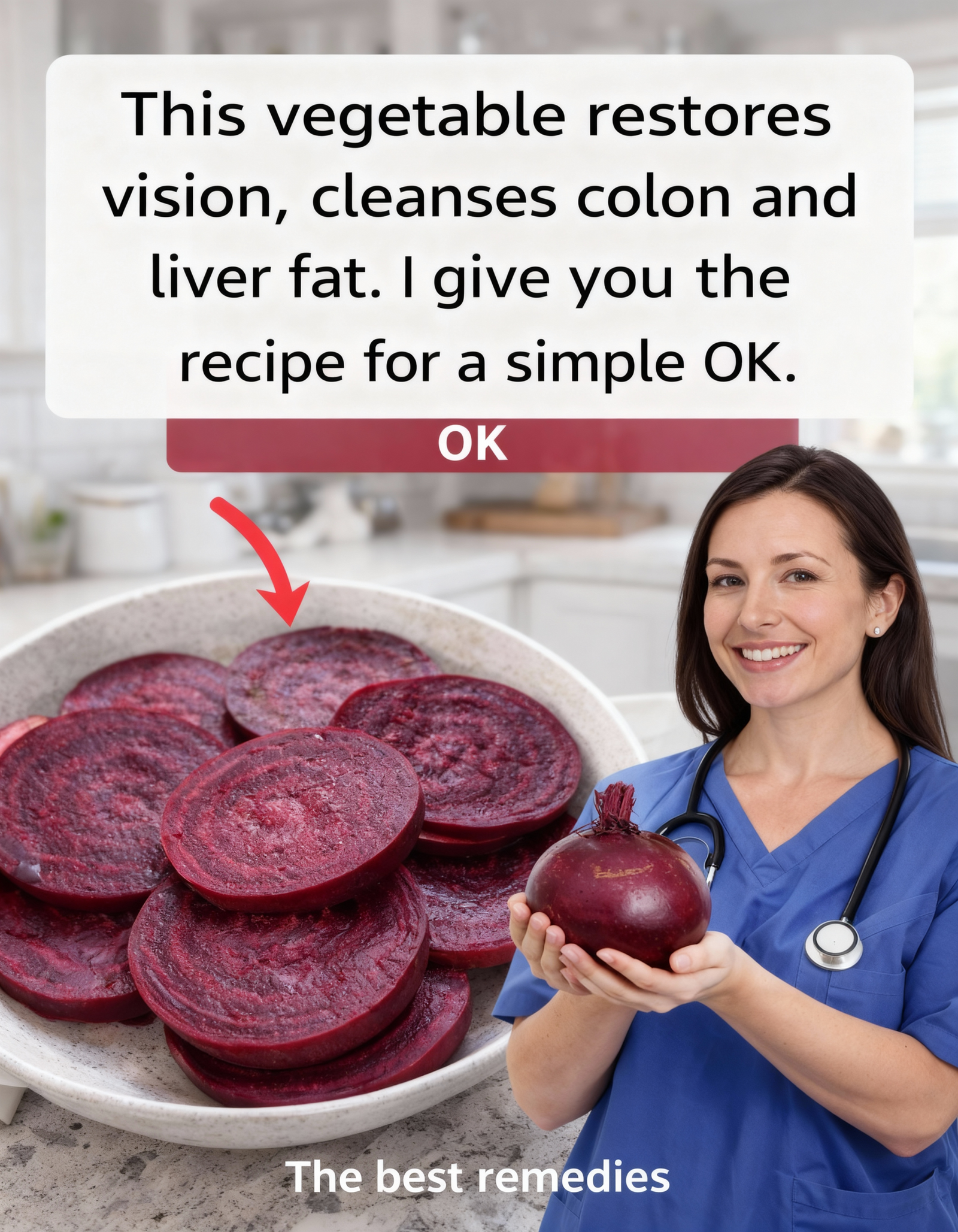
Feeling constantly tired, dealing with sluggish digestion, or worrying about your blood pressure creeping up? Many people struggle with low energy, poor circulation, and everyday inflammation without realizing a simple vegetable could help support these areas naturally. Beets, often overlooked as just a colorful side dish, are packed with unique compounds that research shows can promote better blood flow, support heart health, and boost overall vitality when eaten regularly.
But here’s the exciting part: studies suggest these changes can start noticeably within days and build over weeks — and by the end of this article, you’ll discover practical ways to add them to your routine for real results.

Scientific Properties of Beets
Beets stand out due to their rich mix of bioactive compounds. These aren’t just nutrients — they work together in ways that support your body’s natural processes.
- Betalains — These pigments give beets their vibrant color and act as potent antioxidants, helping reduce oxidative stress and support healthy inflammation levels.
- Natural nitrates — Converted to nitric oxide in the body, they help relax blood vessels and promote better circulation.
- Fiber (soluble and insoluble) — Aids digestion, helps regulate blood sugar and cholesterol, and supports gut health.
- Key vitamins and minerals — Including folate for cell health, potassium for fluid balance, vitamin C for immune support, and iron for energy production.
Research, including reviews from sources like Healthline and NIH studies, highlights how these compounds make beets a standout functional food.

12 Evidence-Based Health Benefits of Eating Beets
While beets offer many potential perks, here are some of the most supported by scientific evidence:
- Supports healthy blood pressure — Multiple studies show beet nitrates can lower systolic and diastolic pressure by promoting vessel relaxation.
- Enhances athletic performance and endurance — Research on athletes indicates improved oxygen use and stamina, often from beet juice before exercise.
- Boosts circulation — Better blood flow may ease feelings of cold extremities or leg fatigue.
- Provides antioxidant and anti-inflammatory support — Betalains help combat oxidative stress, which is linked to overall wellness.
- Aids digestion — High fiber content promotes regularity and feeds beneficial gut bacteria.
- Helps maintain healthy cholesterol levels — Soluble fiber may assist in balancing lipids.
- Supports energy and reduces fatigue — Improved mitochondrial function and oxygen delivery can enhance daily vitality.
- Contributes to liver health — Some animal studies suggest betalains support detoxification pathways.
- Promotes brain function — Increased blood flow may aid focus and cognitive health.
- Supports immune function — Vitamin C and antioxidants bolster natural defenses.
- Helps with weight management — Low-calorie, high-fiber, and satiating.
- Provides essential nutrients — Folate, iron, and potassium support red blood cell production and overall balance.
But that’s not all — consistent intake can lead to noticeable shifts over time.

What Happens When You Eat Beets Every Day (Timeline Based on Research)
Studies on beet consumption, particularly juice rich in nitrates, reveal progressive effects:
Within hours (e.g., 2-3 hours after intake)
Nitrates peak, converting to nitric oxide. Blood pressure may start to ease, and circulation improves slightly.
After 1-3 days
Many report better energy and lighter digestion. Oxygen delivery enhances, reducing perceived effort during activity.
After 1 week
Inflammation markers may decrease, skin may appear brighter due to antioxidants, and cholesterol balance begins to shift.
After 4 weeks or more
Cardiovascular support strengthens, with sustained blood pressure benefits and improved endurance noted in studies. Liver and gut health may feel more optimized.
These timelines come from research on regular nitrate-rich beet intake, showing cumulative advantages.
Easy Beet Recipes to Try Today
Here are doctor-recommended, simple ways to enjoy beets:
1. Energizing Beet Juice
- 1 medium beet, peeled and chopped
- 1 apple
- 1 carrot
- Juice of ½ lemon
- Optional: 1 tsp honey
Blend with water, strain if desired, and drink fresh on an empty stomach. Start with one glass daily for a week.
2. Simple Beet Salad
- 1 cup cooked beet slices
- ½ cucumber, chopped
- 1 tbsp olive oil
- Juice of ½ lemon
- Pinch of salt and herbs
Toss and eat fresh. Great for satiety and blood sugar support.
3. Basic Beet Tea
- 1 small grated beet
- 2 cups water
- Honey to taste
Boil 10 minutes, strain, and sip morning and evening.
These recipes keep portions moderate for daily use.

Precautions to Keep in Mind
Beets are generally safe, but a few notes:
- If you have low blood pressure, monitor intake as nitrates may enhance effects.
- Red or pink urine/stool (beeturia) is harmless and temporary.
- Beets contain oxalates, so those prone to calcium oxalate kidney stones should consult a doctor before increasing intake.
- Stick to 1-2 beets daily to avoid excess.
Always listen to your body.
Conclusion
Incorporating beets regularly can support circulation, energy, digestion, and heart health through their unique nitrates, betalains, and fiber. Research backs these natural benefits, making beets an affordable way to nourish your body over time.
Ready to feel the difference? Try one of the recipes this week and track how you feel.
FAQ
How many beets should I eat per day?
Most studies use amounts equivalent to 1-2 medium beets or 1 cup juice. Start small and adjust based on tolerance.
Is beet juice better than whole beets?
Both work — juice delivers nitrates faster, while whole beets add more fiber for digestion.
Can beets help with exercise?
Yes, evidence shows nitrates improve endurance and oxygen efficiency, especially for moderate activity.
Disclaimer: This article is for informational purposes only and not medical advice. Consult your healthcare provider before making dietary changes, especially if you have health conditions or take medications. Individual results may vary.