 By admin
 Imagine strolling through your garden, admiring the vibrant greenery, when your eye catches an unusual plant with striking white flowers or intriguing prickly green pods. Its seemingly natural appearance can be deceiving; this common backyard inhabitant harbors a secret that many homeowners tragically overlook. Most people are completely unaware that Jimson weed, also known as Datura, poses significant and serious risks to families and beloved pets if allowed to thrive unchecked. The real problem is its uncanny ability to blend seamlessly with ordinary weeds, making it incredibly easy to miss until it’s too late – and what’s even more alarming is how rapidly it can affect anyone who comes into contact with it improperly. But what if there was a simple way to identify it early, grasp the dangers it presents, and safely eliminate it from your property? The good news is that with the right knowledge, you can absolutely safeguard your loved ones – and if you continue reading, I’ll reveal some fascinating historical facts about this plant and provide straightforward steps you can implement today for a much safer yard.
Unmasking Jimson Weed: What Exactly Is This Plant?
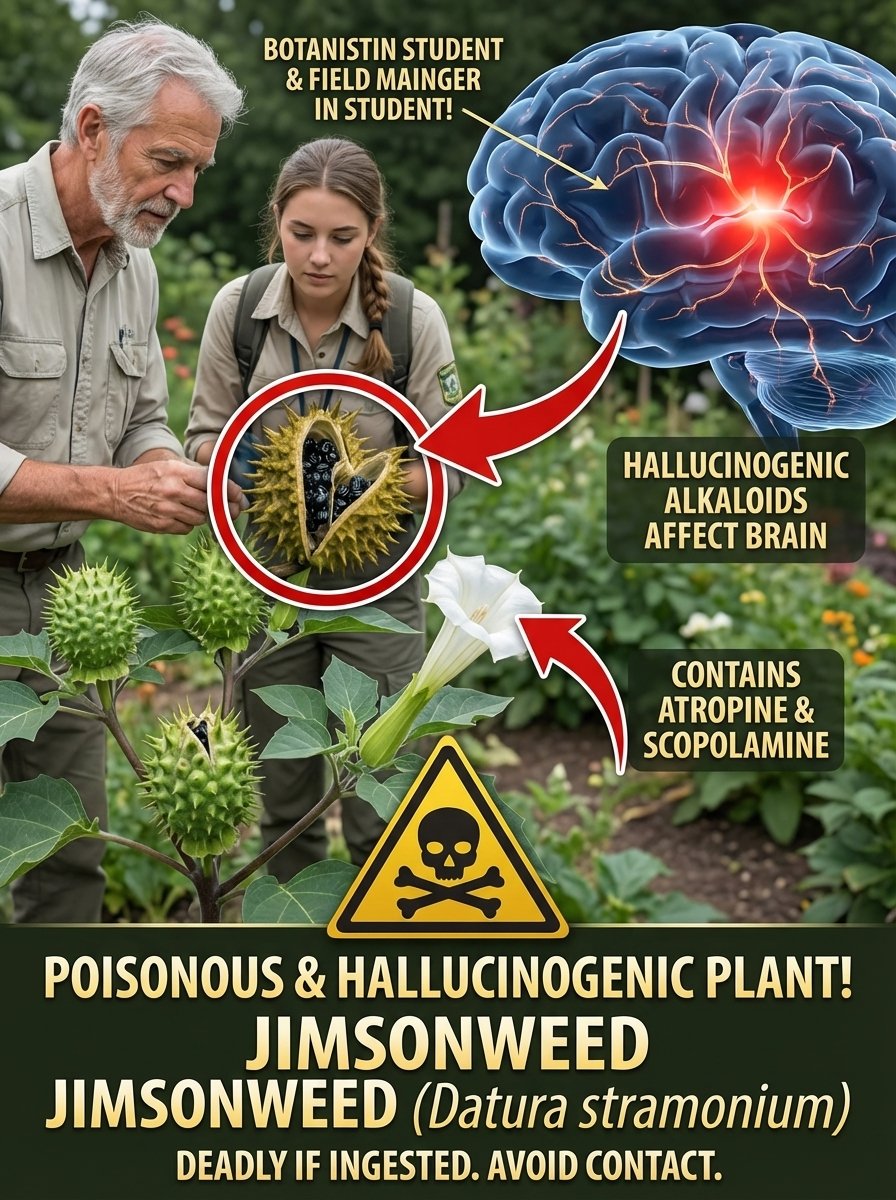
Jimson weed is an imposing annual plant, a member of the notorious nightshade family. It frequently establishes itself in untamed areas like backyards, alongside roads, and within vacant lots across numerous regions of the United States. Also recognized by its ominous aliases, thorn apple or devil’s trumpet, it’s characterized by its expansive leaves and distinctively shaped flowers.
However, here’s the crucial point – despite its somewhat exotic and striking look, the majority of gardeners and landscapers classify it as an invasive weed. It proliferates rapidly through its abundant seeds, with just one plant capable of producing hundreds. This explains why it persistently reappears, even in meticulously cared-for landscapes and gardens.
How to Identify Jimson Weed Before It Becomes a Major Problem
Your primary defense against this plant begins with accurate identification. Jimson weed possesses several unmistakable characteristics that make it relatively easy to spot once you’re aware of what to look for.
Here are the essential features to keep an eye out for:
- Flowers: You’ll notice large, trumpet-shaped blossoms, typically white, though occasionally purple. These flowers unfurl in the evening and emit a scent that is sweet yet subtly unpleasant.
- Leaves: They are broad, dark green, and feature conspicuously jagged or toothed edges. On mature plants, these leaves can grow to a considerable size.
- Seed Pods: This is arguably its most defining characteristic – spiky, spherical green pods that bear a striking resemblance to small chestnut burrs. Once they dry out, they split open to reveal numerous small, black seeds inside.
- Height: These plants can reach impressive heights of 3 to 5 feet or even taller, often towering over other lower-growing weeds.
A particularly useful tip is to inspect your yard after rainfall or in areas where the soil has been disturbed, as these are its preferred sprouting grounds. If any of these distinctive features catch your eye, it’s definitely worth investigating further.
The Potent Threat: Why Jimson Weed Is So Dangerous
The inherent danger of Jimson weed stems from the natural chemicals present throughout its entire structure – including its leaves, flowers, stems, and most critically, its seeds. These powerful compounds can induce a range of effects on the body, from merely uncomfortable to profoundly serious and life-threatening.
Extensive studies and reports from poison control centers consistently indicate that exposure often results in symptoms such as a parched mouth, blurred vision, an accelerated heart rate, and confusion. In more severe instances, individuals may experience vivid hallucinations or extreme disorientation. These effects can manifest within a mere 30 minutes of exposure and, shockingly, can persist for several days.
But the risks don’t end there. Because the plant’s appearance, especially its unique seed pods, can be quite captivating, it regrettably attracts the curiosity of young children or even adults who might be experimenting with natural substances. Tragically, numerous poisoning cases have been linked to individuals brewing teas from its leaves or chewing its toxic seeds.
Who Needs to Exercise Extreme Caution Around This Plant?
Families with young children and pet owners must be especially vigilant. Children, with their innate curiosity, might be tempted to pick up the visually interesting pods or seeds while playing outdoors. Similarly, beloved pets like dogs and cats are vulnerable if they happen to nibble on any part of the plant.
Furthermore, livestock and horses face significant risks if Jimson weed invades their pastures, which is precisely why farmers dedicate considerable effort to eradicating it from hay fields. The fact that this plant can flourish in virtually any environment makes it a pervasive backyard hazard that far too many people dangerously underestimate.
What’s even more concerning is that the initial symptoms of exposure can easily be confused with other common ailments, potentially delaying the crucial moment of seeking appropriate medical help. This highlights why acute awareness remains your most powerful defense.
Common Scenarios Leading to Datura Exposure
A significant number of incidents occur because this plant is mistakenly identified as something innocuous. For instance, some individuals have unfortunately attempted to incorporate it into herbal remedies, completely unaware of its potent toxicity. Others have experienced accidental exposures while engaged in clearing brush or performing gardening tasks without adequate protective gear.
The spiky pods, in particular, are highly deceptive – they eventually burst open to reveal glossy black seeds that can appear enticing to small, curious hands. And because the plant exhibits rapid growth during warmer months, it can materialize seemingly out of nowhere in your yard during the summer season.
Safe and Effective Steps to Eradicate Jimson Weed From Your Yard
If you discover Jimson weed thriving in your backyard, the reassuring news is that you can manage its removal safely and effectively with the correct approach. The cardinal rule to remember is never to burn it or incorporate it into your compost, as its potent toxins can remain active and harmful.
Implement these practical steps for secure removal:
- Gear up properly: Always don robust, thick gloves, long-sleeved shirts, and long pants to prevent any direct skin contact. It’s also wise to consider eye protection.
- Pull it out completely: Grasp the plant firmly at its base and ensure you extract the entire root system. This crucial step should be performed before the seed pods reach full maturity and begin to open.
- Bag it securely: Immediately place the removed plants into heavy-duty trash bags. Seal them tightly and dispose of them with your regular household trash – under no circumstances should they go into recycling or compost bins.
- Clean the area: Thoroughly inspect the surrounding soil for any fallen seeds and meticulously remove them. You can then cover the cleared spot with mulch to deter any new growth.
- Monitor regularly: Revisit the area every few weeks to confirm that no new sprouts have emerged. Consistent vigilance is absolutely essential for long-term control.
For more extensive infestations, some homeowners opt for professional assistance or utilize approved herbicides, but always strictly adhere to product label instructions. For most residential yards, manual removal proves highly effective.
Immediate Actions If Exposure Occurs
If you or a family member is suspected of having touched or ingested any part of the Jimson weed plant, do not hesitate or wait to observe symptoms. Immediately rinse any skin that came into contact with the plant thoroughly with soap and water. For any suspected ingestion, contact your local poison control center without delay at 1-800-222-1222.
These centers provide access to experts available around the clock who can offer precise guidance tailored to your specific situation. Having this vital number readily saved in your phone can provide invaluable peace of mind during an emergency.
The surprising historical aspect of Jimson weed is how it acquired its name –