 By admin
 Waking Up with Dry Mouth? Uncovering the Causes and Finding Relief
Experiencing a parched, sticky sensation in your mouth every morning can be incredibly uncomfortable. This common issue, often referred to as morning dry mouth or xerostomia, can make swallowing difficult, affect your speech, and even leave you feeling fatigued before your day has truly begun. It’s frustrating when this discomfort recurs nightly, potentially disrupting your sleep and raising concerns about your oral health or other underlying conditions. You’re certainly not alone in this experience, and understanding its root causes is the first step toward finding lasting relief and waking up feeling refreshed.
1. Natural Decline in Saliva Production with Age
As we age, waking up with a dry mouth becomes increasingly prevalent, a phenomenon many individuals observe without fully grasping its origin. While the body naturally reduces saliva flow during sleep, research indicates that this reduction can become significantly more pronounced after the age of 60, sometimes decreasing by as much as 40%. This diminished salivary output leaves your mouth feeling uncomfortably dry by morning, elevating the risk of tooth sensitivity and persistent bad breath. It’s crucial to note, however, that severe dry mouth symptoms are rarely attributable solely to aging. More often, they are exacerbated by a combination of other habits or health conditions, intensifying the sensation of dryness. If morning dry mouth is becoming a growing concern for you with time, simple awareness can be a pivotal initial step towards more comfortable nights.
2. Mouth Breathing, Snoring, or Sleep Apnea
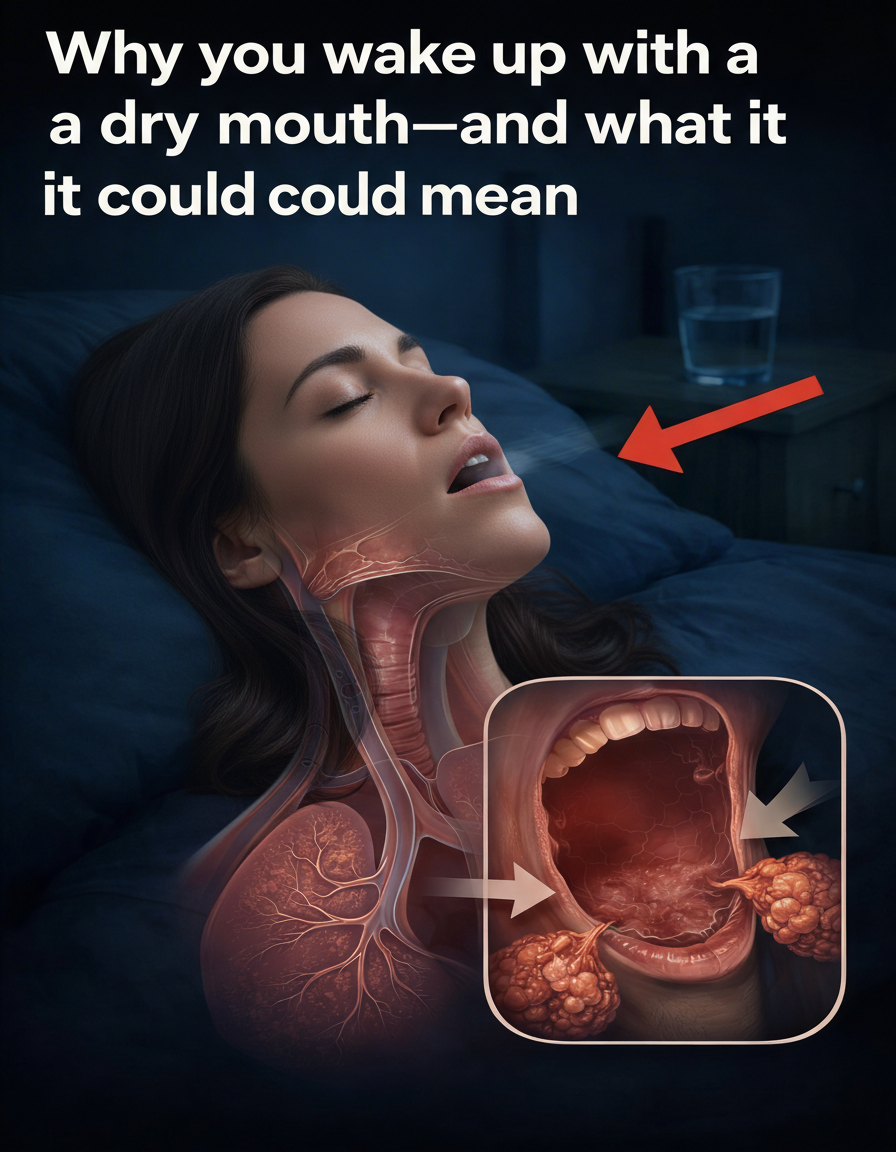
If you consistently wake with a dry mouth, your nocturnal breathing patterns might be the primary culprit. Breathing through your mouth instead of your nose rapidly dries out oral tissues as air flows directly over them, evaporating essential moisture. Conditions like snoring or obstructive sleep apnea further compound this issue, often forcing your mouth open for air throughout the night, leading to severe morning dryness and fatigue. The discomfort extends beyond just a parched mouth; it can also result in a sore throat and generally poorer sleep quality. Many individuals remain unaware of their mouth-breathing habit until symptoms like persistent dry mouth emerge. Addressing underlying nasal congestion or exploring professional sleep support options could significantly improve how you feel upon waking.
3. Side Effects from Medications
Morning dry mouth is a widely reported side effect associated with hundreds of medications, encompassing both prescription and over-the-counter drugs. Common culprits include medications for allergies, high blood pressure, depression, anxiety, and pain, all of which can reduce salivary gland function. When individuals are taking multiple medications, the impact on saliva flow can be even more pronounced. This dryness isn’t merely an inconvenience; it significantly elevates the risk for various dental issues, as saliva plays a crucial protective role for your teeth and gums. If your symptoms appeared or worsened after starting a new medication, it is highly advisable to discuss potential alternatives or dosage adjustments with your healthcare provider. Minor modifications might alleviate the parched sensation without compromising the effectiveness of your treatment.
4. Dehydration and Evening Habits
Your daily lifestyle choices can contribute to waking up with a dry mouth more significantly than you might realize. Insufficient hydration throughout the day, coupled with the consumption of dehydrating beverages like caffeine and alcohol in the evening, can drastically reduce saliva production and intensify overnight dryness. These habits collectively deplete your body’s fluid levels, making that morning parched sensation particularly severe. The good news is that this is often one of the most straightforward causes to address at home. Consciously increasing your water intake throughout the day and limiting late-night caffeinated or alcoholic drinks can help your mouth remain more comfortable while you sleep. Many individuals report noticeable improvements quickly with these simple adjustments.
5. Autoimmune Conditions Like Sjögren’s Syndrome
In some instances, persistent morning dry mouth can signal an underlying autoimmune disorder affecting the body’s moisture-producing glands. Conditions such as Sjögren’s syndrome specifically target and impair these glands, leading to chronic dryness in both the mouth and eyes. This discomfort often feels worse at night and can significantly interfere with restful sleep and overall daily functioning. Early diagnosis and management are crucial, as addressing the condition typically involves targeted strategies for symptom relief and preventing complications. If your dry mouth is accompanied by other symptoms like gritty eyes, joint pain, or persistent fatigue, consulting a specialist can provide clarity and guide you toward appropriate support and treatment options tailored to your needs.
6. Diabetes or Other Chronic Health Conditions
Waking up with a dry mouth can sometimes be linked to blood sugar fluctuations, particularly those observed in diabetes. Elevated glucose levels can impact the nerves and blood vessels in the mouth, leading to reduced saliva production and an increased risk of dehydration—even if you don’t feel thirsty during the day. This often subtle connection leaves many individuals feeling unexpectedly parched upon waking. Managing your overall health effectively plays a pivotal role in mitigating this issue. Prioritizing consistent hydration, adhering to your treatment plan, and undergoing regular medical check-ups can help minimize nighttime dryness and contribute to better sleep quality and overall well-being.