 By admin
 Waking Up with a Dry Mouth? Uncovering Common Causes and Effective Solutions
Experiencing a dry mouth upon waking can be remarkably unpleasant. You might notice a scratchy sensation in your throat, a tongue that feels glued to the roof of your mouth, or an immediate urge to reach for water. While an occasional dry spell is common, a persistent daily occurrence can prompt questions about what might be causing this discomfort. Fortunately, various straightforward lifestyle choices and underlying sleep factors often contribute to this phenomenon. Grasping these insights can empower you to achieve more refreshing mornings. Intriguingly, one particular bedtime habit often plays a more significant role than many people acknowledge.
Why You Might Experience Morning Dry Mouth
Often referred to as xerostomia, or more simply, temporary overnight dryness, a parched sensation in your mouth each morning typically arises when your body’s saliva production naturally decreases during sleep, or when air flowing through your mouth causes excessive drying. Saliva is crucial for maintaining oral comfort, aiding in the initial stages of digestion, safeguarding your teeth, and keeping oral tissues adequately hydrated. Nevertheless, during our sleep cycle, several elements can diminish the moisture levels within the mouth. Key contributing factors frequently include:
- Sleeping with your mouth agape
- Breathing primarily through your mouth due to nasal congestion or blockages
- Inadequate hydration levels before bedtime
- The side effects of specific medications
- A dry atmospheric environment in your bedroom
Studies highlighted in various dental and sleep-related publications confirm that a natural reduction in saliva flow during slumber is a normal physiological process. However, external environmental conditions and personal lifestyle choices can significantly intensify this effect. What’s particularly noteworthy is that not everyone experiences this morning dryness, even when their sleep duration is comparable. This raises the question: what accounts for this disparity?
The Significant Impact of Mouth Breathing During Sleep
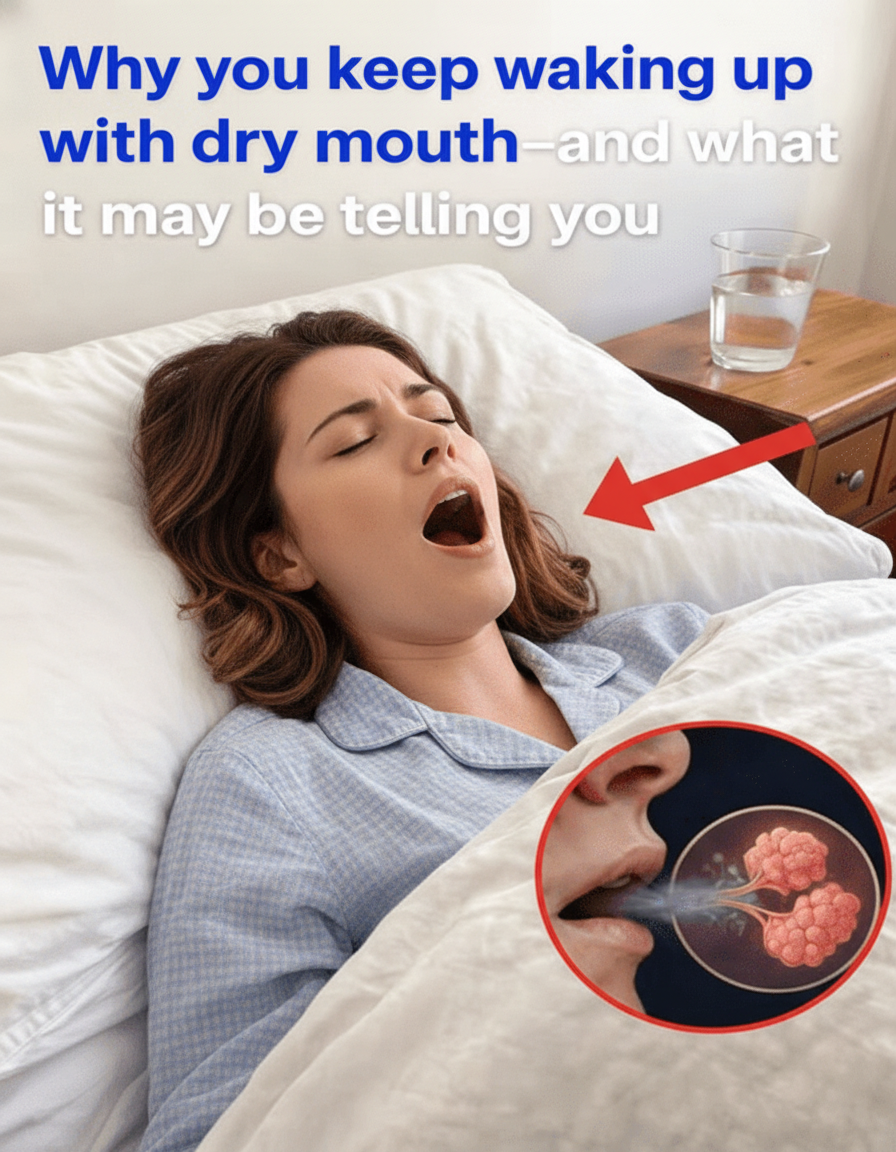
A primary contributor to waking up with a dry mouth is undoubtedly mouth breathing. When air continuously flows over the surfaces of the tongue and inner cheeks, it rapidly accelerates the evaporation of essential moisture. This phenomenon commonly occurs under several circumstances:
- When nasal passages are obstructed by allergies, a common cold, or other respiratory issues
- If you typically sleep in a supine (on your back) position
- When your jaw naturally relaxes and drops open during phases of deep sleep
What often surprises individuals is their unawareness of breathing through their mouth while asleep. Certain indicators, however, can suggest that nocturnal mouth breathing is occurring:
- Discovering a dry or noticeably sticky tongue upon waking
- Experiencing a mild sore throat in the morning
- Noticing persistent bad breath shortly after waking
- Feeling an immediate and intense thirst upon rising
Leading sleep specialists consistently emphasize that breathing through the nose is far more effective in preserving optimal humidity levels within both the mouth and throat, offering a protective effect against dryness.
Dehydration Before Sleep: A Frequently Underestimated Factor
Occasionally, the underlying reason for morning dry mouth is quite straightforward: insufficient fluid intake before sleep. When your body lacks adequate hydration, its capacity to produce saliva can diminish significantly overnight. However, striking the right balance is key. Consuming an excessive amount of water immediately before bed might lead to disruptive, frequent trips to the bathroom during the night. The optimal approach involves maintaining consistent and gradual hydration throughout your entire day.
Indicators that you might not be adequately hydrated include:
- Urine that appears dark yellow during daylight hours
- Experiencing frequent sensations of thirst
- Noticeably dry lips or skin
Reputable health organizations, such as the National Academies of Sciences, advocate for adults to prioritize steady, continuous hydration across the day, rather than attempting to compensate with large fluid intakes just before bedtime.
Medications That Can Influence Saliva Production
Medication can also be a contributing factor to oral dryness. A wide array of commonly prescribed drugs can have reduced saliva production as an unintended side effect. These often include pharmaceuticals used for conditions such as:
- Allergies and antihistamines
- High blood pressure (antihypertensives)
- Mood regulation or sleep assistance (e.g., antidepressants, sedatives)
- Relief from cold and flu symptoms
Indeed, numerous dental health bodies report that hundreds of different medications list dry mouth (xerostomia) as a potential adverse effect. It is crucial to understand, however, that this information is not an encouragement to discontinue any prescribed medication. Instead, simply being aware of this potential link can empower individuals to make minor lifestyle modifications or discuss alternatives with their healthcare provider to enhance comfort and manage symptoms effectively.
The Unexpected Influence of Your Bedroom Environment
The conditions within your sleeping environment wield a surprisingly significant impact on oral moisture. Air that is excessively dry acts like a sponge, drawing moisture away from your mouth and throat. This issue is particularly prevalent during:
- The colder months when heating systems are active
- Periods of air conditioner use
- Living in homes characterized by naturally low humidity levels
Such dry indoor air can lead to several uncomfortable symptoms:
- Pronounced dry mouth
- Dryness within the nasal passages
- A mild irritation or scratchiness in the throat upon waking
Introducing supplemental humidity back into your living space can often help re-establish a more comfortable balance. Consider the following:
- Low humidity: Can significantly increase overnight oral dryness.
- Balanced humidity: Promotes more comfortable and natural breathing.
- Good airflow: Contributes to improved air circulation, which can also impact dryness.
Health and comfort experts frequently advise maintaining indoor humidity levels within an optimal range of 40–60% for overall well-being and to mitigate dryness.
The Interesting Connection Between Sleep Position and Morning Dry Mouth
Your preferred sleep position can also significantly influence both airflow and your breathing patterns during the night. For instance:
- Back sleeping (supine position): This posture can often encourage the jaw to relax and the mouth to fall open, leading to increased mouth breathing and subsequent dryness.
- Side sleeping (lateral position): For some individuals, sleeping on their side may help to keep the airway more open and reduce the likelihood of airway collapse, potentially mitigating mouth breathing.
Experimenting with different sleep positions, especially if you suspect mouth breathing, might be a simple yet effective strategy to reduce morning dry mouth.