 By admin
 You might wake up feeling more drained than refreshed, find yourself constantly reaching for water, or notice your clothing fits differently these days. These small, seemingly innocuous changes can often be dismissed as everyday stress or the demands of a busy life. However, when they accumulate, they could be subtle indicators of something more significant: elevated blood sugar levels, potentially signaling prediabetes or the early stages of type 2 diabetes.
Many individuals live for years unaware of these shifts, allowing the condition to quietly advance. The positive news is that recognizing these patterns early offers a genuine opportunity to implement simple yet impactful adjustments that can support healthier blood sugar balance. Reputable organizations like the Mayo Clinic and the American Diabetes Association emphasize that proactive lifestyle steps are highly effective in managing these levels. Continue reading—further down, I’ll share practical, daily tips that many people successfully use to boost their energy and regain a sense of control over their health.
Why Elevated Blood Sugar Can Go Unnoticed
High blood sugar, medically known as hyperglycemia, occurs when your body struggles to process glucose efficiently. This condition is frequently linked to insulin resistance, meaning your cells don’t respond effectively to insulin, the vital hormone responsible for transporting sugar from your bloodstream into cells for energy. Consequently, sugar begins to accumulate in the blood.
Research from sources such as the Centers for Disease Control and Prevention (CDC) reveals that approximately 1 in 3 adults in the U.S. has prediabetes, and the vast majority are unaware due to the initially subtle nature of the symptoms. Ignoring these early signs, however, significantly increases the risk of progressing to full-blown type 2 diabetes, which can profoundly impact your energy levels, weight, and overall well-being. But there’s more to understand – let’s explore the specific signs that often manifest in the morning or throughout your day.
10 Common Indicators That Your Blood Sugar Might Be Elevated
Here are ten warning signs frequently associated with higher-than-normal blood sugar. If several of these resonate with your experience, it’s certainly worth paying closer attention.
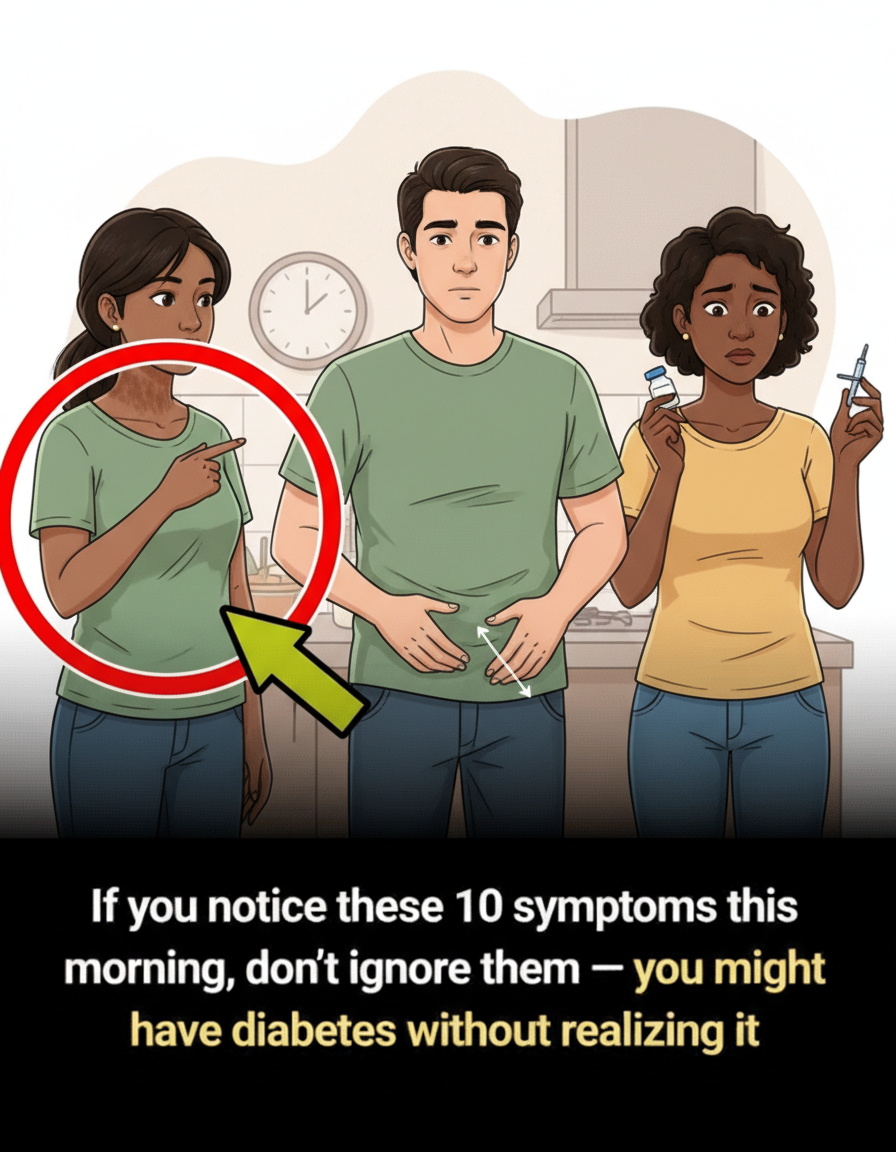
- Frequent Urination, Especially at Night: Excess sugar in your bloodstream forces your kidneys to work overtime, leading to increased urine production. This often results in more frequent trips to the bathroom, potentially disrupting your sleep multiple times a night.
- Persistent Thirst That Doesn’t Quench: The fluid loss from excessive urination can lead to dehydration, triggering an unrelenting and intense thirst that regular water intake struggles to satisfy.
- Unexplained Fatigue or Low Energy: Despite adequate rest, you might experience persistent exhaustion. This occurs because glucose, your body’s primary energy source, remains in the bloodstream instead of entering cells where it’s needed for fuel.
- Intermittent Blurry Vision: Fluctuating blood sugar levels can temporarily affect the lenses of your eyes, causing them to swell and leading to episodes of blurred vision that come and go.
- Unintended Weight Loss: If your cells can’t effectively utilize glucose for energy, your body may start breaking down fat and muscle for fuel. This can result in unexpected weight loss, even if your dietary habits haven’t changed.
- Slow-Healing Cuts or Sores: Elevated sugar levels can compromise both blood circulation and the body’s immune response, significantly delaying the healing process for minor cuts, scrapes, or sores.
- Frequent Infections, Such as Yeast or UTIs: An abundance of sugar in the body creates a more hospitable environment for bacteria and yeast, making you more susceptible to recurrent infections like urinary tract infections (UTIs) or yeast infections.
- Tingling, Numbness, or Pain in Hands and Feet: Sustained high blood sugar can damage nerves over time, leading to sensations of tingling, numbness, or even pain in your extremities, a condition known as neuropathy.
- Increased Hunger Despite Eating: Even after consuming a meal, your cells might signal a need for more energy if they aren’t effectively absorbing glucose from your blood, leading to persistent and increased hunger.
- Dark, Velvety Skin Patches (Acanthosis Nigricans): The appearance of dark, thickened, velvety skin patches, typically found in skin folds such as the neck, armpits, or groin, is a strong indicator of insulin resistance and often serves as an early warning sign.
It’s important to note that many of these signs can overlap with common, everyday issues, which is why people often overlook them until several symptoms begin to accumulate.
How These Signs Intersect with Your Daily Life
Imagine starting your day already parched and fatigued; it becomes significantly harder to make healthy choices, such as opting for a morning walk or preparing a balanced meal. Over weeks or months, this cycle can intensify fatigue and make weight management a much greater challenge. Studies, including those referenced by WebMD and the Mayo Clinic, underscore that recognizing these patterns early empowers you to implement positive changes. Lifestyle adjustments often play a crucial role in stabilizing blood sugar without the need for drastic measures.
Practical Steps You Can Implement Today to Support Healthy Blood Sugar
You don’t need to overhaul your entire routine overnight. Start small with these actionable tips, endorsed by health experts, to begin making a difference:
- Monitor Your Patterns: Keep a simple journal for a week, noting instances of thirst, your energy levels, and frequency of urination. This can help you identify subtle trends and connect them to your daily habits.
- Prioritize Balanced Nutrition: Focus on meals rich in fiber, such as plenty of vegetables, whole grains, and lean proteins. These foods help to stabilize your glucose response. For instance, always pair carbohydrates with healthy fats and protein to slow sugar absorption.
- Incorporate Regular Physical Activity: Aim for at least 30 minutes of moderate-intensity exercise most days of the week. Even short walks after meals can significantly impact blood sugar levels.
- Stay Adequately Hydrated: Drinking plenty of water throughout the day can help your kidneys flush out excess sugar and prevent dehydration, which often exacerbates thirst.
- Manage Stress Effectively: Chronic stress can elevate blood sugar levels. Incorporate stress-reduction techniques into your routine, such as meditation, deep breathing exercises, or spending time in nature.
- Prioritize Quality Sleep: Insufficient or poor-quality sleep can negatively affect insulin sensitivity and blood sugar regulation. Aim for 7-9 hours of restorative sleep each night.
- Consult a Healthcare Professional: If you notice several of these signs, it’s crucial to schedule an appointment with your doctor. They can provide an accurate diagnosis, recommend appropriate tests, and guide you on the best course of action for managing your blood sugar.