 By admin
 As individuals age, experiencing leg discomfort, swelling, or reduced mobility becomes a common concern, often prompting questions about potential remedies. It’s only natural to consider whether readily available solutions, such as dietary vitamins, could alleviate these issues. While nutritional supplements are widely embraced for their general health benefits, navigating their specific role in managing leg health, particularly concerning blood clots, requires accurate information. This article aims to cut through the misinformation, providing essential facts, highlighting potential risks, and guiding you toward evidence-based strategies for maintaining optimal leg vascular health.
Understanding Leg Blood Clots: Essential Insights
Leg blood clots, most notably Deep Vein Thrombosis (DVT), occur when blood thickens and coagulates within the veins, typically in the lower extremities. This phenomenon can be triggered by various factors, including extended periods of immobility, underlying medical conditions, or post-surgical recovery. Critically, overlooking the initial symptoms of a blood clot can lead to severe health complications. Extensive research, including insights from reputable bodies like the American Heart Association, underscores the significant influence of factors such as advancing age and sedentary lifestyles in the development of these clots. Given these concerns, many individuals instinctively seek rapid solutions, often turning to vitamins. We will now explore the scientific basis behind such approaches.
Common Types of Leg Blood Clots
- Deep Vein Thrombosis (DVT): This serious condition involves clot formation in the deep veins of the leg, frequently leading to symptoms such as pain, tenderness, and significant swelling.
- Superficial Thrombophlebitis: Affecting veins closer to the skin’s surface, this type is generally less severe than DVT but can still cause localized pain, redness, and inflammation.
The prevalence of these conditions is considerable; statistics reveal that approximately 900,000 Americans are affected by venous thromboembolism (VTE) annually, emphasizing the critical need for public awareness and timely intervention.
Vitamins and Blood Clots: Discerning Truth from Misconception
In the realm of health supplements, it’s common to encounter claims suggesting certain vitamins can miraculously resolve leg issues, including blood clots. However, it’s vital to clarify a fundamental point: vitamins do not possess the ability to directly dissolve pre-existing blood clots. The dissolution of clots is a complex medical process typically managed by prescribed interventions, such as anticoagulant medications, under stringent professional medical oversight. Nevertheless, some vitamins do contribute to overall cardiovascular and blood health. For example, Vitamin K is intrinsically involved in the body’s intricate blood coagulation process. Its precise role means that both insufficient and excessive intake can significantly impact clotting, posing particular challenges for individuals already on blood-thinning therapies.
Vitamin E: Exploring its Role in Circulation
Vitamin E, a potent antioxidant, is often cited for its potential to support healthy blood flow. Research, including findings published in the Journal of Nutrition, suggests that Vitamin E may contribute to vascular health by mitigating oxidative stress within the blood vessels. However, this benefit comes with important caveats. Consuming high doses of Vitamin E can elevate the risk of bleeding, a concern that is amplified for individuals with pre-existing medical conditions or those taking other medications. Therefore, professional medical consultation is indispensable before integrating Vitamin E supplements into your regimen.
Vitamin C and Its Contribution to Vascular Integrity
Vitamin C is crucial for the synthesis of collagen, a vital protein that provides structural integrity to blood vessel walls. Studies highlighted by institutions like the National Institutes of Health affirm its potential in supporting robust circulatory health. Despite its benefits, it’s imperative to recognize that Vitamin C is not a standalone cure. Relying solely on supplements without concurrently adopting comprehensive lifestyle adjustments will not deliver sustainable improvements in vascular well-being.
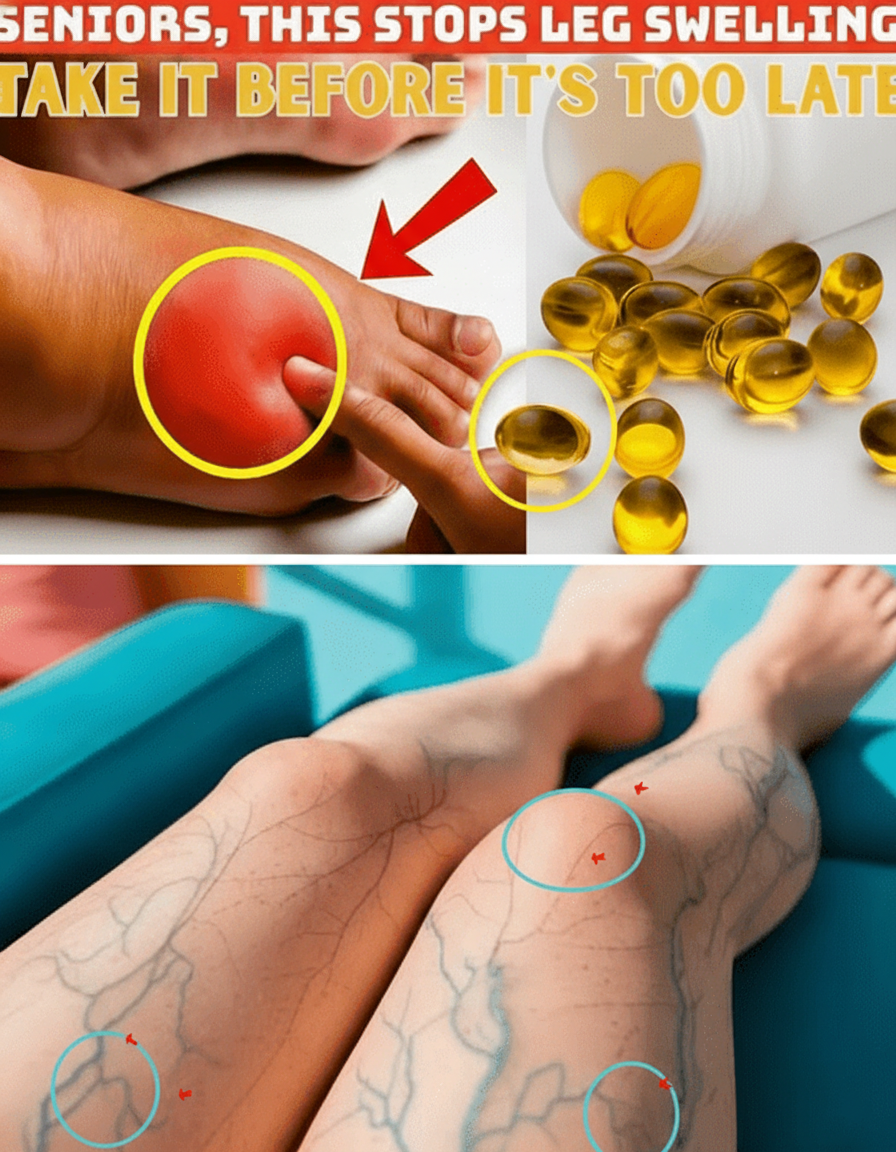
Other Vitamins to Consider
- Vitamin D: This essential vitamin plays a key role in maintaining bone and muscle health, thereby indirectly contributing to overall leg mobility and function. Data from the CDC indicates that Vitamin D deficiency is particularly prevalent among older adults.
- B Vitamins (e.g., B12, Folate): These vitamins are fundamental for healthy red blood cell production and energy metabolism, which can enhance vitality and encourage greater physical activity, indirectly supporting circulation.
It’s worth noting that the synergistic effect of vitamins consumed as part of a balanced diet often surpasses the benefits of isolated supplements, a concept we will delve into further.
Potential Risks of Over-Reliance on Vitamins for Leg Health
Despite their perceived safety, vitamins are not without potential drawbacks, especially when consumed in excessive amounts or without proper guidance. A significant concern is the risk of adverse interactions with prescribed medications. For instance, as highlighted by Mayo Clinic guidelines, high doses of Vitamin K can diminish the effectiveness of anticoagulant medications such as warfarin, potentially increasing rather than mitigating the risk of blood clot formation. Furthermore, the supplement market is largely unregulated; unlike pharmaceutical drugs, dietary supplements do not undergo the same rigorous FDA approval process, meaning product quality and purity can vary significantly. Beyond interactions, some individuals may experience undesirable side effects, including digestive upset like nausea or even allergic reactions. A cautious approach, beginning with lower doses and carefully monitoring your body’s response, is always advisable.
Who Needs to Exercise Caution?
Specific populations should exercise heightened caution when considering vitamin supplementation, particularly for leg health:
- Individuals currently taking anticoagulant medications.
- Patients with impaired kidney function, where certain vitamins can accumulate to toxic levels.
- Pregnant women or those managing chronic health conditions.
A cautionary note from the British Medical Journal strongly advises against self-medication without professional medical consultation, advocating for personalized health strategies tailored to individual needs.
Effective, Evidence-Based Strategies for Optimal Leg Health
Given that vitamins are not a singular solution, what truly makes a difference in maintaining healthy legs and preventing blood clots? The most profound impacts often stem from adopting evidence-backed lifestyle modifications. Foremost among these is consistent physical activity. Engaging in gentle exercises such as walking or swimming significantly enhances blood circulation throughout the legs without placing undue strain on the vascular system. Equally critical is a well-balanced nutritional intake. A diet abundant in fresh fruits, vibrant vegetables, and wholesome whole grains provides essential nutrients that support overall cardiovascular health and contribute to robust leg function.