 By admin
 Vitamin K2: A Crucial Nutrient for Healthy Arteries and Optimal Calcium Placement
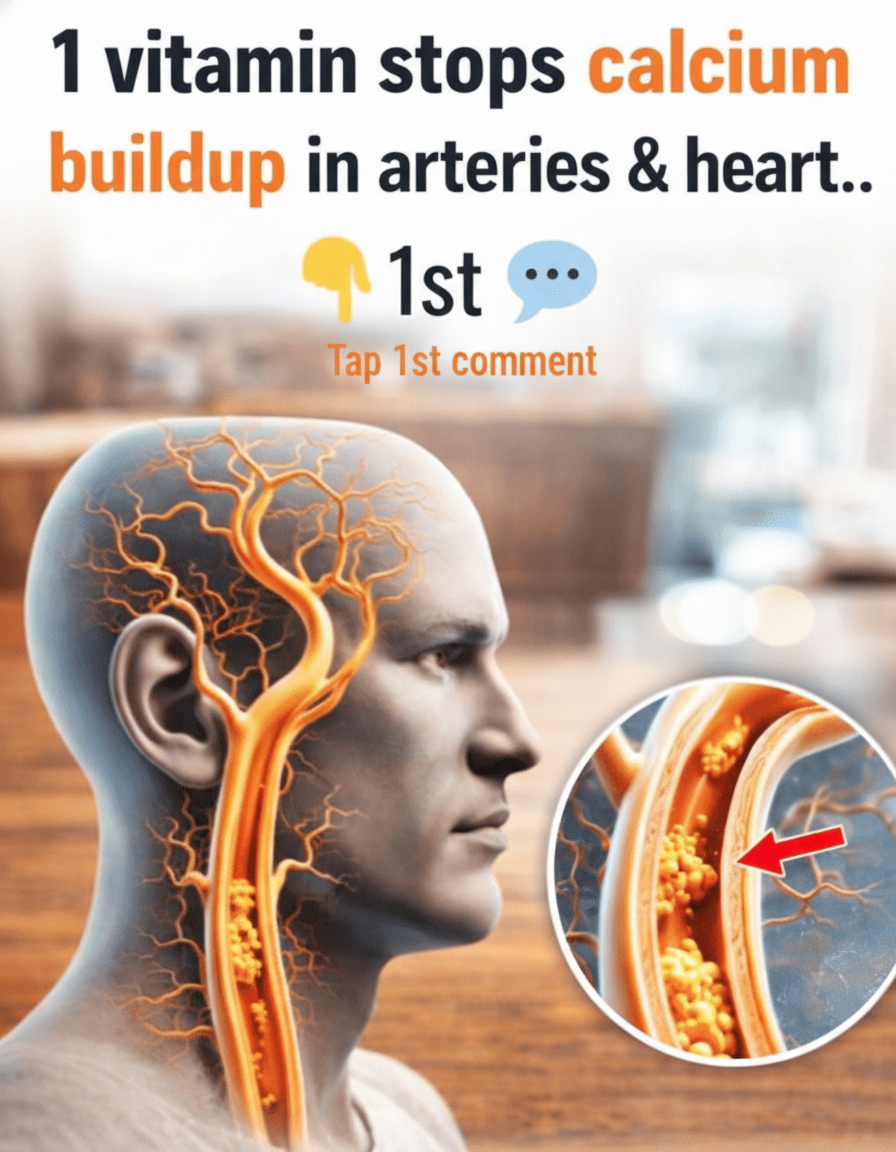
As we age, the prospect of calcium accumulating in our arteries becomes a significant worry for many, directly impacting heart health and overall cardiovascular well-being. This phenomenon, termed arterial calcification, can progressively stiffen blood vessels, prompting a search for effective strategies to maintain vascular flexibility through diet and lifestyle. Encouragingly, a growing body of research points to the profound influence of specific nutrients in the body’s natural calcium regulation processes. Intriguingly, one particular form of vitamin K has emerged as a vital player, actively guiding calcium away from vulnerable soft tissues, such as arteries, and towards its rightful place in bones. Let’s delve into the scientific insights surrounding vitamin K2 and practical ways to integrate more of this essential nutrient into your daily regimen.
Understanding Vitamin K: Distinguishing the Key Forms
Vitamin K is an indispensable nutrient involved in numerous physiological functions, yet its various forms operate distinctly. Vitamin K1 (phylloquinone), predominantly found in vibrant green leafy vegetables like spinach and kale, is primarily recognized for its critical role in blood coagulation. It’s readily accessible through a balanced, plant-rich diet. In contrast, Vitamin K2 (menaquinone) distinguishes itself through its profound involvement in calcium metabolism and its implications for arterial health. Scientific investigations reveal that vitamin K2 is instrumental in activating specific proteins, notably matrix Gla protein (MGP). MGP acts as a powerful inhibitor, preventing the undesirable accumulation of calcium in soft tissues, including the delicate lining of our arteries. Observational studies and comprehensive clinical reviews consistently suggest that a higher dietary intake of vitamin K2 correlates with enhanced vascular health, by facilitating the appropriate distribution of calcium within the body. It’s also worth noting that Vitamin K2 exists in various subtypes, with menaquinone-4 (MK-4) and menaquinone-7 (MK-7) being the most extensively studied and discussed for their unique bioavailability and functions.
How Vitamin K2 Orchestrates Calcium Balance for Cardiovascular Wellness
Calcium is undeniably essential for life, performing critical functions such as building robust bones, supporting muscle contractions, and enabling nerve signaling. Yet, without precise regulatory mechanisms, an overabundance of calcium can deposit in problematic areas, particularly within the arterial walls, potentially compromising long-term heart health. This is precisely where vitamin K2 plays its pivotal role. It actively assists in activating crucial proteins responsible for channeling calcium towards its beneficial destinations—our bones and teeth—while simultaneously inhibiting its unwarranted accumulation in blood vessels.
A wealth of observational research, including findings from extensive cohort studies, has established a compelling link between diets abundant in vitamin K2 and superior indicators of arterial health. For example, specific studies have demonstrated a correlation between sufficient vitamin K2 intake and a diminished progression of vascular calcification. While the outcomes from randomized controlled trials present a mixed picture—some indicating a slowing of calcification scores, others showing no significant alteration—the fundamental role of vitamin K2 in activating vital protective proteins remains robustly supported by scientific evidence. This leads us to another key player in calcium dynamics: Vitamin D. While Vitamin D is excellent at enhancing the absorption of dietary calcium into the bloodstream, it is Vitamin K2 that ensures this absorbed calcium is utilized efficiently and directed to the correct locations. The synergistic relationship between Vitamin D and Vitamin K2 is increasingly recognized as fundamental for comprehensive calcium metabolism, benefiting both bone density and cardiovascular well-being, as highlighted in various scientific reviews.
Top Dietary Sources of Vitamin K2
Optimizing your vitamin K2 levels is most effectively achieved through whole food consumption, generally negating the need for supplements unless specifically recommended by a medical professional. Below are some of the most concentrated natural sources of this vital nutrient:
- Natto: This traditional Japanese fermented soybean dish is unparalleled, offering exceptionally high concentrations of MK-7, known for its superior bioavailability and longer half-life in the body.
- Fermented Cheeses (e.g., Gouda, Edam, Jarlsberg, Brie): Hard and aged cheeses, especially those that are fermented, provide significant amounts of K2, making them a delicious daily option.
- Beef Liver: A nutrient powerhouse, this organ meat is a potent source of MK-4, a crucial subtype of vitamin K2.
- Egg Yolks (particularly from pastured or free-range hens): A convenient and versatile food, egg yolks offer meaningful levels of K2, especially when sourced from chickens raised on natural diets.
- Grass-Fed Butter: Derived from pasture-raised animals, grass-fed butter contains valuable, albeit smaller, quantities of K2.
- Sauerkraut: This fermented cabbage product delivers plant-based K2 and also supports gut health.
- Dark Meat Poultry (such as goose or chicken thighs) and Eel: These animal-based foods represent additional commendable sources of K2.
For quick reference, here’s a concise list of vitamin K2-rich foods:
- Natto: Highest in MK-7.
- Hard Cheeses (Gouda, Edam): Excellent for regular consumption.
- Beef Liver: Powerful MK-4 source.
- Egg Yolks: Simple to incorporate into daily meals.
- Sauerkraut: Fermented and beneficial for digestion.
- Grass-Fed Dairy: Includes butter and full-fat milk products.
By consciously incorporating these foods into your diet, you can significantly bolster your body’s innate mechanisms for managing calcium effectively and promoting arterial health.
Practical Strategies to Naturally Increase Your Vitamin K2 Intake
Inspired to enhance your dietary intake of vitamin K2? Here are actionable, practical steps you can integrate into your routine starting today:
- Embrace Fermented Foods Regularly: Consider adding a small portion of natto or sauerkraut to your meals 2–3 times per week. Begin with smaller servings to acclimate your palate to their distinct flavors.
- Prioritize High-Quality Dairy: Opt for grass-fed butter and full-fat cheeses from reputable sources. These products often boast superior nutrient profiles, including higher K2 content.
- Make Egg Yolks a Daily Staple: Whether scrambled, poached, or mixed into salads, aim for 2–3 egg yolks most days to easily boost your K2 intake.
- Integrate Organ Meats: If comfortable, explore recipes incorporating beef liver or other organ meats into your weekly or bi-weekly meal plans for a concentrated K2 source.
By making these mindful dietary adjustments, you can actively support your cardiovascular system and ensure calcium is directed precisely where it can do the most good.