 By admin
 Uterine Fibroids on the Rise in Young Women: 6 Key Dietary & Lifestyle Factors
Uterine fibroids, benign growths within the uterus, were once predominantly a concern for women in their later reproductive years. However, a noticeable trend has emerged: more women in their 20s and 30s are now being diagnosed with these non-cancerous tumors. Often, these fibroids develop silently, only becoming apparent through symptoms like unusually heavy menstrual bleeding, pelvic discomfort, or unexplained bloating. This shift isn’t coincidental; emerging research increasingly points to contemporary lifestyle choices, particularly daily dietary habits, as significant contributors to creating an environment where fibroids can manifest earlier in life. The encouraging news is that understanding these intricate connections empowers you to proactively support your hormonal health.
Many may not fully grasp the subtle yet profound influence certain food choices can exert on estrogen levels over time – a hormone to which fibroids are highly sensitive. By exploring these factors, you’ll uncover practical dietary adjustments linked to improved hormone balance and a potential reduction in fibroid risk.
1. Dietary Habits and Estrogen Dominance
Fibroids are known to flourish in the presence of elevated estrogen levels over an extended period. While the body naturally produces estrogen, additional sources from our diet can accumulate. Conventionally farmed dairy and meat products, for instance, may contain hormone residues from agricultural practices. Furthermore, excess body fat acts as an active endocrine organ, producing and storing estrogen, thereby exacerbating the issue. Scientific studies indicate that diets rich in animal fats and deficient in fiber are often correlated with higher circulating estrogen, sending a consistent growth signal to fibroid cells. This pattern is particularly evident in modern, ultra-processed eating styles that frequently lack the nutritional balance vital for healthy hormone regulation.
2. The Impact of Ultra-Processed Foods on Liver Function and Hormone Metabolism
Consider items like pre-packaged snacks, fast food meals, frozen dinners, and sugary beverages – these are more than just sources of empty calories. They place a considerable burden on your liver, which is the primary organ responsible for metabolizing and eliminating surplus estrogen from the body. When the liver becomes overwhelmed or its detoxification pathways are compromised, estrogen may recirculate in the bloodstream instead of being properly excreted. This can lead to a state of estrogen dominance, even in individuals who are otherwise healthy and active. Observational research underscores how these types of foods can disrupt crucial detoxification processes, contributing to hormonal imbalances that may foster fibroid development.
3. Insufficient Fiber Intake and Estrogen Recirculation
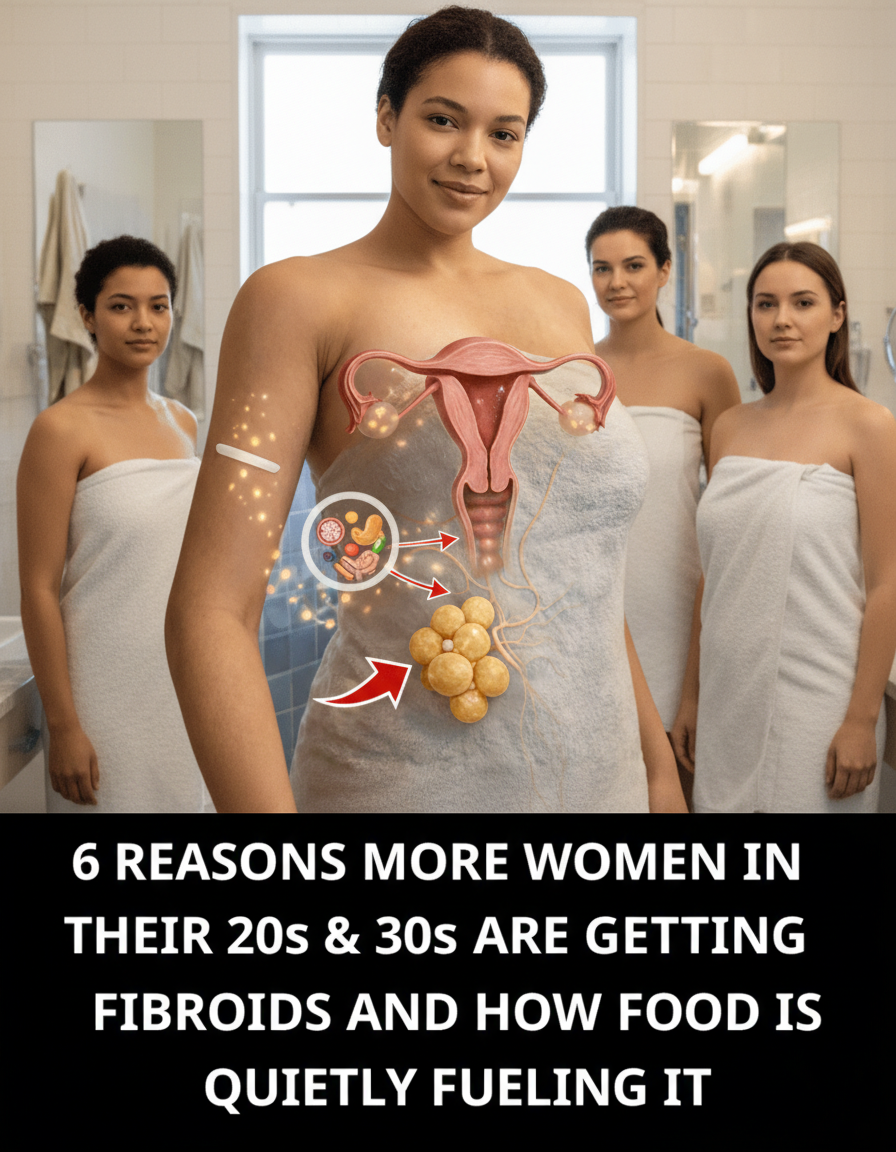
Dietary fiber plays a far more critical role than merely ensuring smooth digestion; it actively binds to estrogen in the gut, facilitating its removal from the body before it can be reabsorbed into the bloodstream. Conversely, diets low in fiber – common with frequent consumption of refined white bread, cheese-heavy dishes, processed meats, and sugary treats – allow more estrogen to return to circulation. This can elevate overall estrogen levels, thereby potentially promoting fibroid growth. A significant number of women in their 20s and 30s fall short of the recommended daily fiber intake of 25–30 grams. Incorporating protective, high-fiber foods is key: prioritize leafy greens, legumes (beans, lentils), berries, and whole grains to naturally aid in estrogen clearance. Here are some simple high-fiber swaps to integrate into your daily routine:
- Opt for whole-grain bread or wraps instead of white varieties.
- Enhance your salads or soups by adding beans or lentils.
- Choose fresh berries or other fruits as snacks over sugary alternatives.
- Include vegetables like broccoli, cabbage, or Brussels sprouts in stir-fries and meals.
4. Environmental Estrogens (Xenoestrogens) and Endocrine Disrupting Chemicals
Ubiquitous items in our daily lives, such as plastic food containers (containing compounds like BPA or phthalates), the linings of canned goods, pesticide residues on produce, and certain artificial food additives, can harbor endocrine-disrupting chemicals (EDCs). These synthetic compounds, often referred to as xenoestrogens, are capable of mimicking natural estrogen in the body. They bind to the same cellular receptors as your body’s own estrogen, potentially amplifying signals to fibroid tissue and stimulating their growth. Exposure to these chemicals often accumulates subtly from childhood onwards, and various studies have linked specific EDCs to an increased risk of uterine fibroids. To mitigate exposure, consider these practical steps: choose glass or stainless steel containers for food storage, opt for fresh produce over canned whenever feasible, and thoroughly wash all fruits and vegetables before consumption.
5. The Role of Chronic Inflammation in Fibroid Development
Evidence suggests that uterine fibroids tend to thrive in environments characterized by chronic inflammation. Modern diets frequently contribute to this low-grade systemic inflammation through the regular consumption of fried foods, refined carbohydrates, processed meats, and excessive added sugars. This persistent inflammatory state can stimulate abnormal tissue proliferation, impair the body’s natural regulatory mechanisms, and intensify fibroid-related symptoms. Research consistently links pro-inflammatory dietary patterns to conditions where fibroids become more aggressive or persistent. Shifting towards an anti-inflammatory eating approach – one rich in diverse whole foods, fruits, vegetables, and healthy fats – may help to calm this bodily response over time and support overall uterine health.
6. Red Meat Consumption and Its Potential Link to Fibroid Risk
Observational studies have frequently identified a correlation between higher red meat intake, particularly processed varieties, and an increased risk of uterine fibroids. The mechanisms behind this link are thought to be multifaceted. They may include oxidative stress induced by heme iron, the displacement of protective, fiber-rich plant foods from the diet, and the potential for saturated fats in red meat to influence estrogen levels. It’s important to note that this isn’t necessarily about eliminating all meat; rather, it suggests a need for mindful consumption, prioritizing lean cuts, and balancing intake with a wide array of plant-based foods to support overall reproductive health.