 By admin
 Urinating After Sex: A Simple Yet Powerful Habit for Urinary Tract Wellness
While pre-intimacy hygiene is often emphasized, what happens immediately afterward plays an equally vital role in maintaining comfort and well-being. Many individuals, particularly women, frequently experience urinary tract discomfort or even recurrent infections (UTIs) following sexual activity, leading to frustration and a search for simple remedies. Fortunately, a very straightforward habit—urinating soon after sex—provides gentle yet effective support by naturally flushing the urinary tract. But how precisely does this everyday action make such a significant difference, and who stands to gain the most? Continue reading to explore the scientific basis and practical strategies for integrating this habit into your routine – you may be surprised by the profound impact this minor adjustment can have on your long-term urinary health.
Understanding the Urinary Tract and Its Vulnerabilities
Our urinary system is a sophisticated network, constantly filtering waste and maintaining the body’s internal equilibrium. It comprises essential organs: the kidneys, responsible for urine production; the ureters, which carry urine to the bladder; the bladder itself, serving as a storage reservoir; and finally, the urethra, the narrow tube through which urine exits the body. A critical anatomical distinction for women is their significantly shorter urethra—approximately 1.5 inches, compared to about 8 inches in men. Furthermore, its proximity to both the vagina and anus makes it more susceptible to bacterial entry from adjacent skin or genital areas. Here’s the crucial insight: The physical contact and friction inherent in sexual activity can inadvertently propel bacteria towards or even into the urethral opening. This isn’t a matter of poor hygiene; rather, it’s a natural consequence of human anatomy. Should these bacteria remain and proliferate, they can trigger irritation or, more seriously, a urinary tract infection (UTI), a condition disproportionately affecting women. Leading medical institutions, including the Mayo Clinic and Cleveland Clinic, acknowledge that while definitive large-scale studies on the exact efficacy may vary, numerous healthcare professionals advocate for this habit as a beneficial preventative measure, particularly for individuals susceptible to post-intimacy discomfort.
What Happens During Sexual Activity That Raises Concerns?
While sexual intimacy is a healthy and inherent aspect of human experience, the physical dynamics involved can create temporary conditions favorable for bacterial movement. Commensal bacteria, naturally found on the skin, in the genital region, or around the anus, can be displaced closer to the urethral opening through various actions like friction, touch, or penetration. It’s important to understand that this process is not indicative of poor hygiene; rather, it’s a common physiological event. The potential for concern arises when these displaced bacteria linger near the urethral entrance, allowing them time to colonize and potentially ascend into the urinary tract. Research indicates a correlation between more frequent sexual activity and an elevated risk of UTIs in some women, underscoring the value of proactive preventive measures. Crucially, urine itself serves as a potent natural cleansing agent. Its outward flow is instrumental in rinsing away any potential bacterial invaders before they can migrate further into the bladder.
Why Urinating After Sex Can Be So Helpful
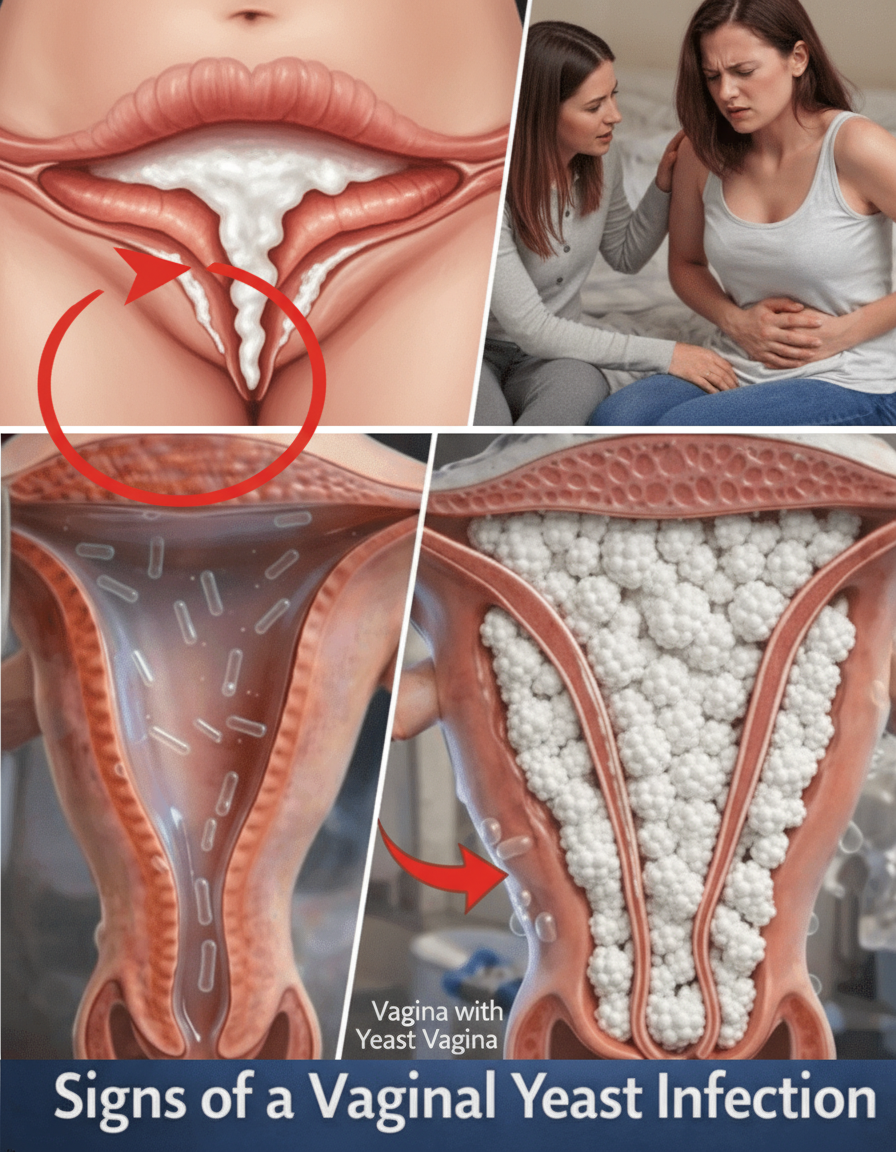
The act of urinating promptly after sexual intercourse offers a fundamental, mechanical advantage: the forceful stream of urine effectively expels any bacteria that might have found their way into the urethra during the activity. Medical professionals clarify the benefits as follows:
- It significantly diminishes the opportunity for bacteria to accumulate around the urethral opening.
- The natural urinary flow actively assists the body’s inherent self-cleansing mechanisms.
- It can substantially reduce the overall likelihood of developing irritation or infection within the urinary tract.
Indeed, many women who contend with recurrent UTIs frequently report a noticeable improvement in comfort and a reduction in episodes once they adopt this practice. Although comprehensive, large-scale studies on precise prevention rates have yielded varied outcomes—some showing limited direct evidence, others indicating protective patterns, particularly when performed within 15-30 minutes—esteemed health organizations such as WebMD, the Mayo Clinic, and the Cleveland Clinic consistently advocate for its inclusion in UTI prevention strategies. Furthermore, this beneficial habit comes at no cost, requires no specialized equipment, and can be effortlessly integrated into your post-intimacy routine.
Who Benefits Most from This Simple Routine?
This particular post-intimacy practice typically provides the most significant advantages for specific demographics:
- Individuals, especially women, with a history of recurrent urinary tract infections.
- Those possessing inherently sensitive urinary systems prone to irritation.
- Anyone who frequently experiences bladder discomfort, pressure, or increased urgency following sexual activity.