 By admin
 Urgent Recall: Over Half a Million Bottles of Prazosin Blood Pressure Medication Affected by Potential Carcinogen – Your Essential Guide
For the millions globally managing high blood pressure with daily medication, recent news surrounding a significant pharmaceutical recall may understandably cause concern. In late 2025, a joint initiative by Teva Pharmaceuticals and Amerisource Health Services led to the voluntary recall of over 580,000 bottles of prazosin hydrochloride capsules. This widely prescribed generic drug, used for both high blood pressure and certain PTSD-related symptoms, was found to contain elevated levels of N-nitroso prazosin impurity C.
This particular compound belongs to a class of nitrosamine chemicals. When exposure occurs long-term at higher concentrations, these substances are considered potentially carcinogenic by leading health organizations, including the U.S. Food and Drug Administration (FDA). The recall spans various dosage strengths—specifically 1 mg, 2 mg, and 5 mg—and impacts products distributed across the nation. While no immediate health emergencies have been reported in connection with this issue, the announcement underscores the critical importance of medication safety for individuals relying on consistent treatment to maintain their health and well-being.
However, it’s important to remember that such regulatory actions demonstrate a robust system designed to protect patients. This isn’t the first instance where potential issues have been identified early, leading to swift protective measures. By the end of this comprehensive guide, you’ll be equipped with the necessary information to verify if your medication is affected, understand who to contact, and learn practical steps to support your cardiovascular health going forward.
Understanding the Prazosin Hydrochloride Recall: Key Details
The FDA officially classified this event as a Class II recall in October 2025. This classification indicates that while the use of the affected products could potentially lead to temporary or medically reversible adverse health consequences, the likelihood of serious health risks for most individuals is considered low. Nitrosamines, the type of impurity found, can originate during various stages of drug manufacturing or even during storage. The FDA meticulously establishes strict acceptable intake limits for these compounds, based on extensive safety data, to proactively mitigate any potential long-term health concerns.
Prazosin hydrochloride functions by relaxing blood vessels, thereby improving blood flow and effectively lowering blood pressure. Its efficacy and generally favorable tolerability profile make it a preferred choice for many patients. It’s crucial to note that this recall does not encompass all prazosin products; rather, it specifically targets certain manufacturing lots from Teva and its distributor. Reports from reputable news outlets such as CBS News, CNN, and the FDA’s enforcement database confirm the scale of the recall: approximately 181,000 bottles of 1 mg, 291,000 of 2 mg, and additional quantities of the 5 mg strength. This event naturally raises questions for many about the safety of other blood pressure medications they may have used.
Why Nitrosamine Impurities Are a Recurring Concern in Medications
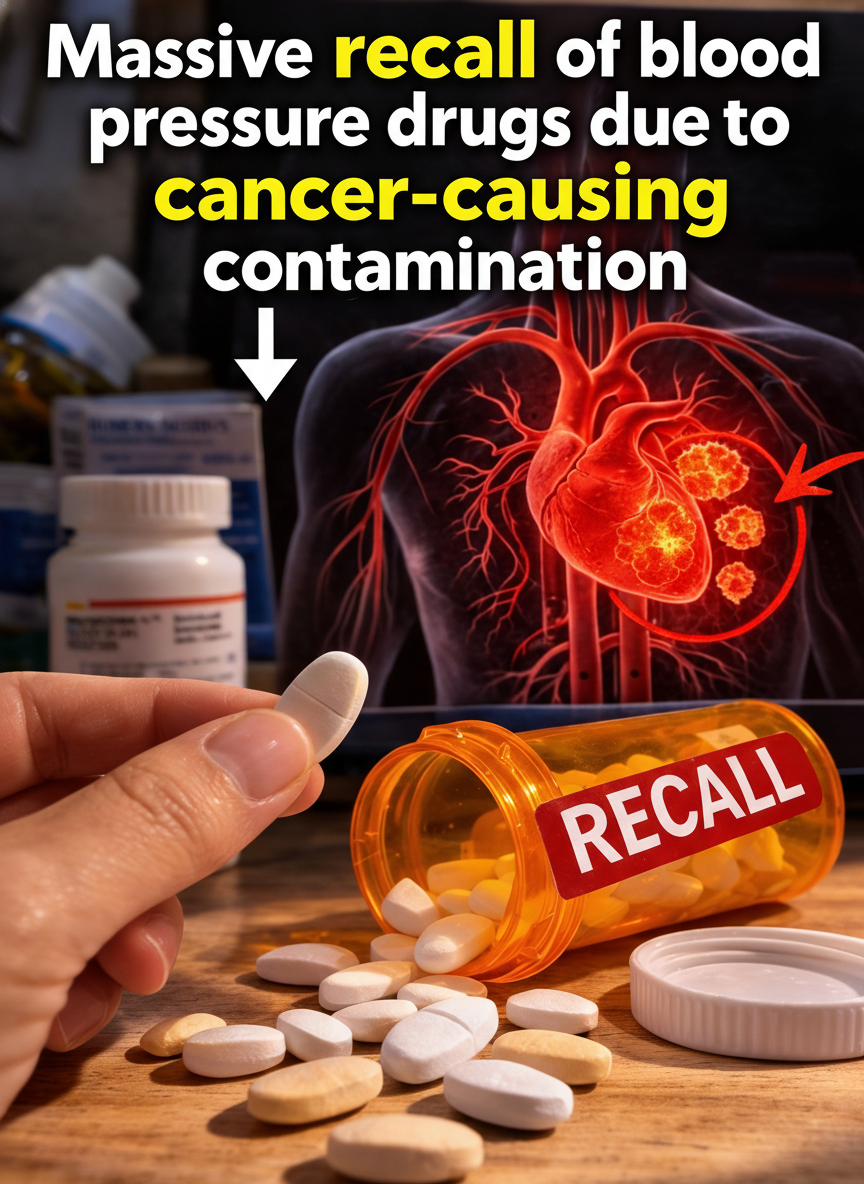
Nitrosamine impurities are not an isolated phenomenon limited to this recent prazosin recall; they have periodically been identified in various pharmaceutical products over the years, prompting continuous and rigorous oversight by the FDA. Extensive research and regulatory reviews reveal that these compounds can emerge due to modifications in manufacturing processes, the use of certain solvents, or even specific storage conditions. The positive aspect of this ongoing challenge is the FDA’s unwavering commitment to continuously monitor and update its guidelines, ensuring that impurity levels remain well below thresholds that could pose a significant health risk.
Studies on nitrosamines often highlight that daily exposure from common sources like certain processed foods (such as cured meats) or even drinking water can frequently exceed the trace amounts typically found in most medications. Nevertheless, when levels in pharmaceutical drugs surpass established safety limits, recalls are initiated swiftly to uphold patient safety as the highest priority. To provide context, here’s a brief overview of recent recalls involving blood pressure medications due to similar concerns:
- Prazosin (2025): Over 580,000 bottles recalled due to the presence of N-nitroso prazosin impurity C.
- Earlier ARB Class Drugs (2018–2021): Recalls of valsartan, losartan, and irbesartan lots due to NDMA or NDEA impurities.
Key Distinction: It’s important to note that while previous recalls, particularly those involving ARBs, sometimes affected broader drug classes, the current prazosin recall is highly specific to particular manufacturers and batch numbers. This pattern illustrates the effectiveness of proactive monitoring systems in identifying and addressing potential issues before they become widespread, safeguarding public health.
Actionable Steps: What to Do If You Take Recalled Prazosin
If you are currently taking prazosin, it’s understandable to feel concerned, but it is crucial to remain calm. Medical experts strongly advise against abruptly discontinuing any prescribed blood pressure medication, as doing so can trigger adverse rebound effects, including dangerous spikes in blood pressure. Instead, please follow these practical, immediate steps:
- Verify Your Medication Bottle: Carefully examine the label on your prazosin bottle. Confirm the manufacturer (Teva Pharmaceuticals), the dosage strength (1 mg, 2 mg, or 5 mg), and locate the specific lot number.
- Consult the Official Recall List: Visit the FDA’s official website and search for “prazosin recall 2025” to compare your medication’s lot number against the published list of affected products.
- Contact Your Pharmacy: Reach out to your dispensing pharmacy. They are equipped to verify whether your specific supply is part of the recall and can arrange for a replacement from unaffected stock or advise on the next steps.
- Communicate with Your Doctor: Schedule a prompt conversation or visit with your healthcare provider. Discuss your concerns and explore suitable alternative treatment options. Your doctor can recommend other alpha-blockers or different classes of antihypertensive drugs, such as ACE inhibitors or calcium channel blockers, that may be appropriate for your condition.
Staying informed and taking proactive steps in consultation with your healthcare team are the best ways to ensure your safety and continue effective management of your blood pressure. Your health is paramount, and these measures are designed to provide peace of mind and continuity of care.