 By admin
 Urgent Eye Care: When Sudden Floaters, Flashes, or Shadows Demand Immediate Attention
Experiencing unexpected visual disturbances like tiny specks, flashes of light, or a dark shadow in your field of vision can be alarming. While many instances of “floaters” are benign, a sudden onset, rapid increase, or accompanying symptoms like light flashes or a visual curtain could signify a serious underlying condition requiring immediate medical evaluation. It’s common to dismiss these as minor annoyances or signs of fatigue, but understanding which symptoms warrant urgent attention within 24 hours is crucial for preserving your eyesight. This comprehensive guide will help you distinguish between a minor inconvenience and a potential ophthalmic emergency, including a key warning sign often missed.
Understanding Eye Floaters: What They Are and Why They Appear
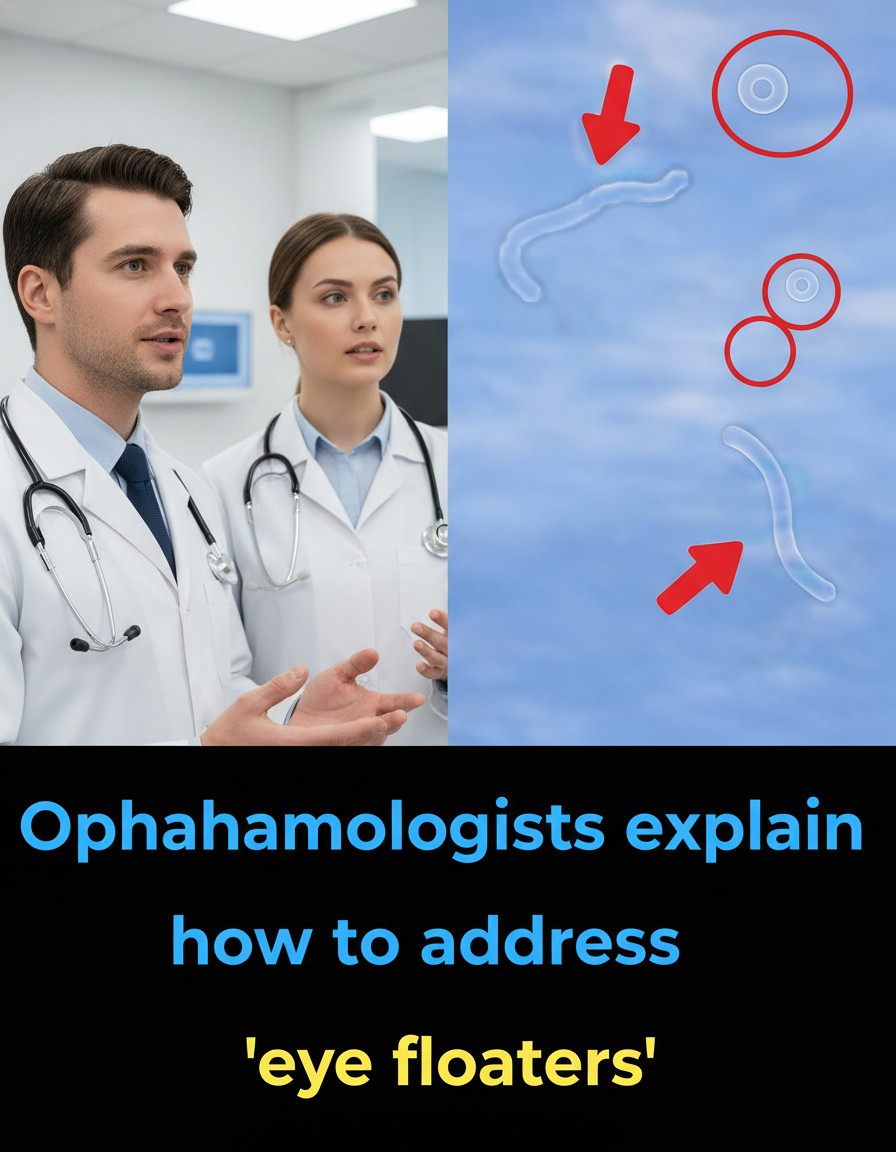
Eye floaters, scientifically known as vitreous floaters, are small, often translucent specks, strands, or shapes that appear to drift across your visual field. They can manifest in various forms:
- Minute black or gray dots
- Fine, cobweb-like threads
- Clear, wavy squiggles
- Subtle shadowy areas
These visual artifacts move with your gaze and tend to be more noticeable when looking at a bright, uniform background, such as a clear blue sky or a white wall. The phenomenon occurs due to changes within the vitreous humor, a clear, jelly-like substance that fills the space inside your eyeball. As we age, this vitreous gel can naturally shrink and become more liquid, leading to the formation of tiny clumps or fibers. These fragments cast shadows onto the retina—the light-sensitive tissue at the back of the eye—which your brain interprets as floaters. While the vast majority of floaters are benign and often fade into the background as your brain learns to filter them out, their sudden appearance or a change in their characteristics can sometimes signal a more serious eye condition.
When Floaters Signal an Urgent Eye Condition
While most floaters are harmless, certain accompanying symptoms or changes in their presentation can be red flags for serious eye conditions, such as a retinal tear or even a retinal detachment, as highlighted by leading eye health institutions like University of Utah Health. It is imperative to seek urgent ophthalmological care within 24 hours if you experience any of the following:
- A rapid and significant increase in the number of new dark spots or floaters.
- Sudden flashes of light in one eye, particularly noticeable in low-light environments.
- The appearance of a shadow, a gray curtain, or a dark area obstructing any part of your peripheral or central vision.
- Any swift or dramatic alteration in the appearance or behavior of existing floaters.
These symptoms suggest that the vitreous gel may be pulling on the retina, potentially causing a tear or even detaching it from the back of the eye. Retinal problems are time-sensitive, and prompt diagnosis and treatment are crucial to prevent permanent vision loss. Even if your symptoms seem minor, timely intervention is key.
Emergency vs. Routine Check-up: Knowing When to Act
Understanding the distinction between symptoms that demand immediate attention and those that can wait for a scheduled appointment is vital. Use this guide to determine your next step:
Emergency: Seek immediate care (or within 24 hours) if you experience:
- The abrupt onset of many new floaters.
- New flashes of light in one eye.
- A persistent shadow or curtain-like obstruction across any part of your vision.
Do not delay. These symptoms warrant an urgent consultation with an eye specialist or emergency medical services within 24 hours.
Monitor and Schedule a Routine Appointment (within a few days) if you notice:
- Only one or two isolated, small floaters.
- No accompanying flashes of light.
- No visual obstruction or shadow.
- No notable change in the floaters’ size, number, or characteristics over a short period.
In this scenario, schedule a non-urgent appointment with an ophthalmologist within a few days. Remember, when in doubt about any new vision changes, it is always safer to consult a professional to rule out serious conditions rather than assuming they are benign.
What to Expect During an Eye Examination for Floaters
During an examination for floaters, your ophthalmologist will typically administer dilating eye drops. These drops temporarily widen your pupils, allowing for a comprehensive and unobstructed view of the internal structures of your eye, particularly the retina and the vitreous humor. The specialist will meticulously inspect these areas for any signs of a retinal tear, bleeding, or detachment. While the dilating drops may cause temporary blurred near vision and increased light sensitivity for several hours, the examination itself is generally pain-free.
A frequent cause of sudden floaters, especially in older adults, is Posterior Vitreous Detachment (PVD). This age-related condition occurs when the vitreous gel naturally separates from the retina. While PVD is common, particularly after the age of 50, and often resolves without significant long-term complications, a thorough eye evaluation is essential to confirm the diagnosis and ensure no more serious conditions are present or developing.
Understanding Flashes of Light in Your Vision
Flashes of light, medically termed photopsia, arise when the vitreous gel tugs or rubs against the retina. Even in the absence of external light, the retina—which is responsible for detecting light—interprets this mechanical stimulation as a visual signal. These flashes can manifest in various ways:
- Fleeting streaks resembling lightning.
- Brief, bright flashes, often perceived in the periphery, similar to a camera flash.
- Subtle flickering lights, especially noticeable in dim environments.
While occasional, short-lived flashes that quickly subside might be innocuous, persistent or recurring flashes, particularly when accompanied by new or increasing floaters, are a significant warning sign. They strongly indicate retinal irritation or traction and necessitate immediate professional assessment.
Immediate Steps When You First Notice Floaters
If you suddenly notice new floaters, follow these practical steps:
- Remain Calm, but Observe Closely: While it’s natural to feel anxious, try to stay calm. Pay close attention to the characteristics of the floaters: note their initial appearance, quantity, whether they are increasing, and if they are accompanied by flashes of light or shadows. Jotting down these details can be helpful for your eye doctor.
- Test Each Eye Individually: Cover one eye at a time and then the other. This simple test helps determine if the symptoms are present in one eye or both, providing crucial information for diagnosis.
- Refrain from Self-Diagnosis: Resist the temptation to diagnose yourself using internet searches or online forums. Visual symptoms can vary widely, and what applies to one person may not apply to another. Professional medical evaluation is indispensable.
- Seek Care Based on Symptom Severity: Refer to the “Emergency vs. Routine Check-up” guide provided earlier in this article. Act promptly based on whether your symptoms fall into the urgent or non-urgent category.
Do Eye Floaters Disappear on Their Own?
Many eye floaters, particularly those that are not indicative of a serious underlying condition, do tend to become less noticeable over time. Your brain often adapts to filter them out, making them less intrusive to your daily vision. However, the physical fragments within the vitreous humor usually remain. While some floaters may settle out of your central line of sight, they rarely disappear completely. More importantly, floaters that signal a retinal tear or detachment will not resolve on their own and require immediate medical intervention to prevent permanent vision loss. Therefore, any new or significantly changing floaters should always be evaluated by an ophthalmologist to ensure your eye health.