 By admin
 Often, we encounter unassuming plants in our daily lives, unaware of the profound traditional wisdom they might embody. In an age where stress, minor aches, digestive unease, and common skin irritations are prevalent, finding straightforward, natural solutions can feel increasingly challenging. Yet, the remarkable sensitive plant, scientifically known as Mimosa pudica, has long been a cornerstone of traditional healing systems throughout Asia, Africa, and South America, despite frequently being dismissed as a mere weed. As you delve deeper into this article, you’ll uncover not only its historical significance but also a truly astonishing characteristic that continues to captivate observers worldwide.
What is the Sensitive Plant (Mimosa pudica)?
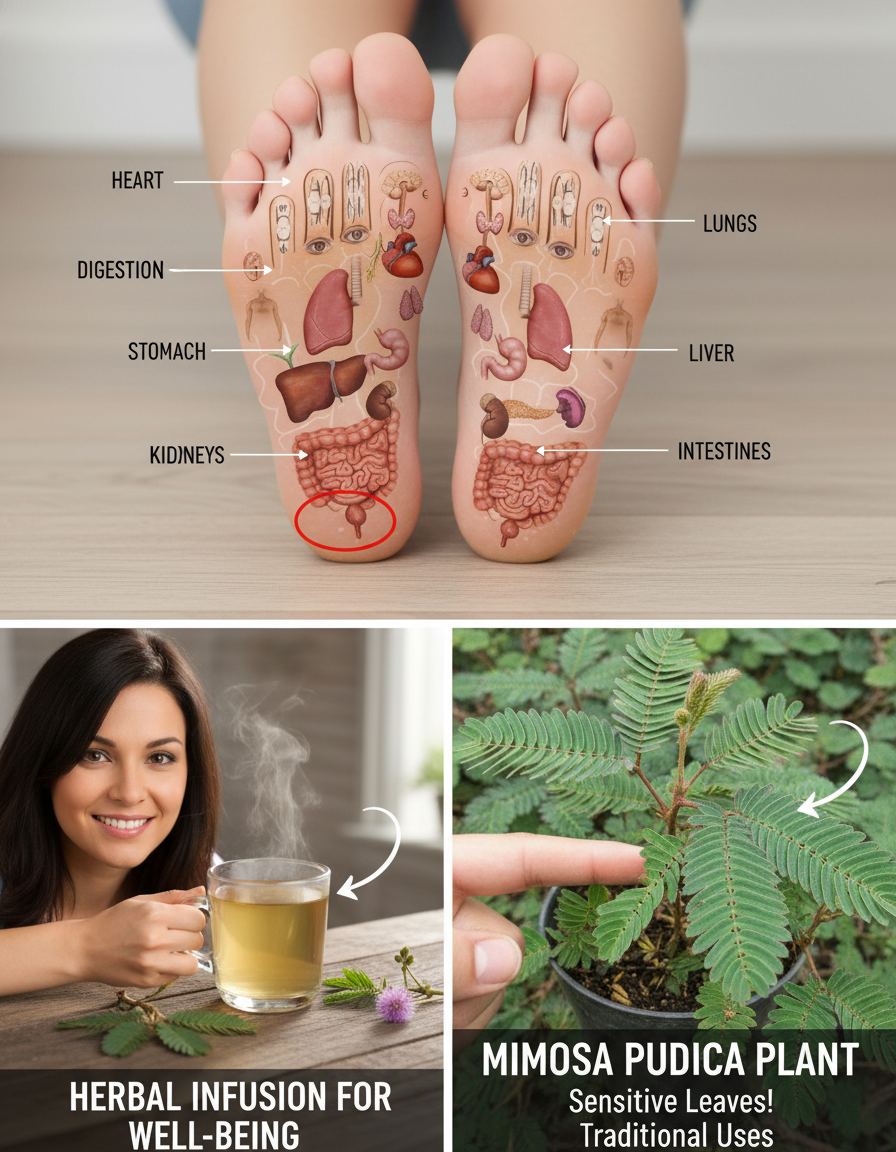
The Mimosa pudica, widely recognized as the sensitive plant, touch-me-not, or shameplant, holds a distinct reputation for its extraordinary response to physical contact. Its pinnate leaves swiftly fold inwards and droop when touched, a remarkable phenomenon that has intrigued both botanists and enthusiasts for hundreds of years. However, its allure extends far beyond this captivating mechanical movement. This fascinating herb has been a valued component in ancient healing traditions, including Ayurveda and various forms of folk medicine, for a diverse array of everyday wellness applications.
Key Characteristics at a Glance
- Features delicate, fern-like green foliage that visibly reacts to touch and darkness
- A low-lying perennial herb commonly found alongside roads, in fields, and various garden settings
- Produces small, charming puffball-shaped flowers in shades of pink or light purple
- Flourishes naturally in warm, humid tropical and subtropical environments
What truly makes the sensitive plant compelling is that its celebrated responsiveness is more than a mere botanical curiosity; it is indicative of a sophisticated biochemical composition that has increasingly captured the interest of the scientific community.
Traditional Uses That Span Generations
Throughout various cultures and across continents, different components of the Mimosa pudica plant have been ingeniously incorporated into practical, daily wellness routines. Although contemporary scientific investigation into its properties is continually advancing, these time-honored traditional applications offer profound insights into the plant’s historical significance and efficacy.
Pain and Inflammation Support
Within many traditional healing systems, particularly folk medicine, the crushed leaves of Mimosa pudica have been a go-to external application for localized areas of discomfort. Its historical uses encompass:
- Alleviating tenderness in joints and muscular stiffness
- Addressing minor backaches following strenuous physical exertion
- Reducing generalized swelling associated with minor sprains and strains
Emerging scientific inquiry into the plant’s phytochemicals, such as flavonoids and alkaloids, indicates a potential capacity to modulate the body’s intrinsic inflammatory processes. Moreover, its benefits extend beyond physical comfort…
Calming the Mind: Stress, Anxiety, and Sleep Support
Beyond its physical applications, Mimosa pudica also boasts a long-standing reputation as a natural anxiolytic and sedative. In numerous traditional health practices, a tea prepared from the sensitive plant is valued as a mild, soothing beverage. Traditionally, it has been consumed to:
- Promote tranquility and reduce agitation during stressful periods
- Facilitate deeper, more restorative sleep cycles
- Soothe feelings of nervous unease and apprehension
Preliminary animal and in vitro studies propose that compounds within the plant could positively impact neurotransmitter functions associated with serenity and emotional equilibrium; however, comprehensive human clinical trials are still required. Nevertheless, this enduring reputation for fostering calmness is a significant factor in the plant’s continued prominence within contemporary herbal remedies.
Skin and Wound Care in Traditional Practices
The fresh leaves of the sensitive plant have a venerable history in rudimentary wound management. Traditional applications for supporting skin health frequently involved:
- Gently pressing crushed leaves onto superficial cuts and abrasions
- Aiding the skin’s inherent regenerative processes
- Assisting in the staunching of minor hemorrhages
Historically, traditional practitioners prized the plant for its perceived antimicrobial and astringent qualities, which were believed to contribute to maintaining cleanliness in small wounds when applied appropriately.
Digestive Health in Traditional Medicine
Throughout history, digestive ailments have consistently driven individuals to seek remedies from the plant kingdom. Both Ayurvedic principles and diverse folk medicine traditions have incorporated Mimosa pudica for its potential in promoting gastrointestinal well-being, specifically to:
- Foster overall digestive equilibrium
- Help regulate instances of occasional loose bowel movements
- Enhance general intestinal comfort and regularity
Certain traditional concoctions specifically utilize the plant’s seeds or roots, which are thought to bolster gut health when meticulously prepared. Nevertheless, it is precisely in this domain that meticulous adherence to proper usage becomes paramount, a topic we will elaborate on when addressing safety considerations.
Other Traditional Wellness Uses
Beyond the applications already mentioned, Mimosa pudica has historically featured in a broader spectrum of traditional remedies addressing various health concerns, such as:
- Supporting respiratory ease and function
- Promoting urinary tract health and comfort
- Contributing to women’s reproductive well-being within traditional frameworks
- Offering general enhancement for the body’s immune defenses
It is important to acknowledge that while these extensive uses are firmly embedded in ancient practices, contemporary scientific inquiry persistently investigates the intricate ways in which the plant’s bioactive compounds interact with human physiological systems.
Forms of Use: Traditional Preparations of the Sensitive Plant
The preparation methods for Mimosa pudica traditionally vary significantly, with specific plant parts being utilized according to the intended therapeutic application.
1. Tea or Decoction
One of the most prevalent and accessible traditional methods involves preparing the sensitive plant as a tea or decoction. The general steps typically followed include:
- Thoroughly cleansing either fresh or dried leaves
- Simmering the cleansed leaves in purified water for several minutes
- Straining the liquid and permitting it to cool slightly prior to consumption
This particular preparation is frequently linked to promoting states of relaxation and aiding in digestive ease.
2. Poultice or Paste (Topical Use)
This preparation is strictly for external application. The customary steps often involve:
- Thoroughly washing fresh leaves to remove any impurities
- Crushing or grinding the leaves into a fine paste
- Applying the resulting poultice directly to the affected skin area
- Securing it in place with a clean cloth or bandage, if necessary