 By admin
 Imagine grappling with persistent gum problems or the challenges of missing teeth that complicate everyday eating. Now, consider the possibility that these issues might be quietly impacting more than just your smile—they could be influencing the very vitality of your brain. This realization can be profound when you consider how something as routine as diligent oral care links directly to long-term cognitive well-being, potentially accelerating changes we all strive to mitigate.
But here’s the encouraging news: understanding this intricate link paves the way for adopting simple yet powerful habits that benefit both your mouth and your mind. Join us as we uncover an unexpected perspective on why, in some cases, letting go of problematic teeth could actually be a kinder choice for your brain health.
Understanding the Connection Between Oral Health and Brain Changes
Recent scientific investigations have illuminated a compelling relationship between the state of your dental health and structural alterations within the brain. For example, studies featured in respected medical journals, such as Neurology, indicate how conditions like advanced gum disease and tooth loss may correlate with shifts in specific brain regions critical for memory formation and learning processes.
The implications extend further. The hippocampus, a vital component of the brain responsible for consolidating memories, appears particularly susceptible. Observations from research involving older adults demonstrate that when the challenges of gum issues and missing teeth coincide, the left side of this crucial brain area might experience a more rapid reduction in volume.
Here’s where the findings become especially compelling: even mild gum inflammation, when paired with the loss of just one tooth, could potentially mirror the effects of nearly a full year of typical brain aging. This striking statistic underscores the significant role our daily oral hygiene routines play in our overall health, a role many may not fully appreciate.
How Gum Disease Contributes to Faster Brain Aging
Gum disease, medically known as periodontitis in its more severe manifestations, is characterized by chronic inflammation within the oral cavity. This persistent inflammatory state is not confined to the mouth; it can exert a systemic influence throughout the entire body. Indeed, harmful bacteria originating from infected gums, such as Porphyromonas gingivalis, have the potential to enter the bloodstream.
Once circulating, these bacteria could reach the brain, where they may trigger further inflammatory responses that detrimentally affect delicate nerve cells. And the impact doesn’t stop with inflammation. Reduced blood flow, often resulting from blood vessel damage associated with this systemic process, can lead to detectable changes in the brain’s white matter, which in turn are linked to observable cognitive shifts over time.
The Role of Tooth Loss in Brain Health Dynamics
Losing teeth isn’t merely a matter of aesthetics or the ability to chew efficiently; it could diminish the vital sensory and mechanical stimulation your brain receives from everyday activities like eating. Research suggests that having fewer natural teeth often leads to less vigorous jaw movement, which may contribute to a gradual atrophy in certain brain regions. This reduction in mechanical input is akin to underutilizing a muscle, potentially leading to its progressive weakening.
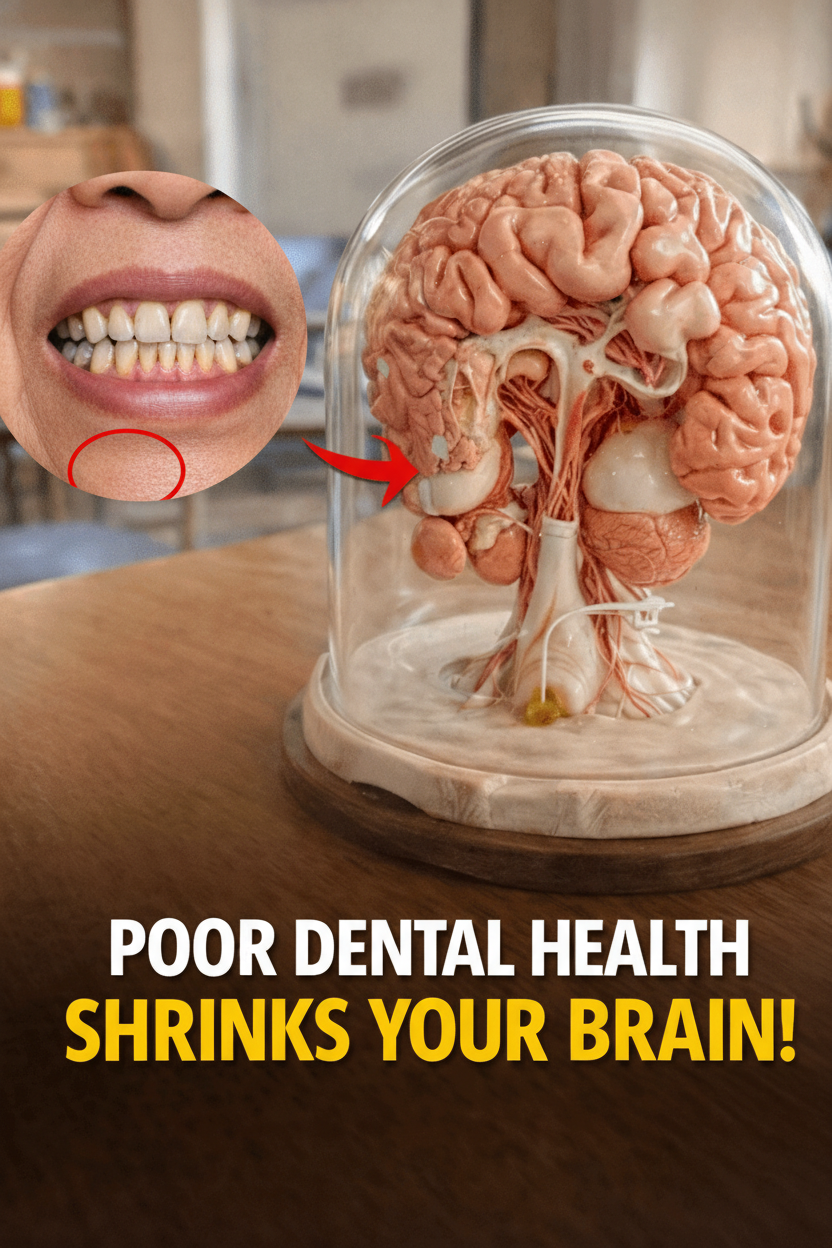
Surprisingly, for individuals already contending with advanced gum conditions, retaining a greater number of natural teeth isn’t always advantageous. Studies indicate that holding onto diseased teeth might accelerate negative brain changes more significantly than their removal, primarily due to the ongoing presence of chronic infection.
Key Mechanisms Linking Poor Oral Care to Accelerated Aging
Let’s delve deeper into these interconnected mechanisms. Chronic inflammation stemming from oral infections places a continuous burden on the body’s physiological systems. This persistent inflammatory load can adversely affect blood vessels throughout the body, including those that supply the brain, potentially causing subtle yet cumulative damage over many years.
Furthermore, tooth loss frequently necessitates adjustments in diet. Individuals might gravitate towards softer foods, inadvertently missing out on essential nutrients—like specific vitamins—that are crucial for optimal brain function. But there’s more to this complex picture. The convergence of these factors—chronic inflammation, diminished neural stimulation, and potential nutritional deficiencies—forms a detrimental cycle that research strongly associates with quicker markers of aging within the brain.
To illustrate the potential impacts, consider this concise comparison:
| Factor | Effect on Body | Potential Brain Impact |
|---|---|---|
| Gum Inflammation | Increases systemic inflammatory markers | May initiate or exacerbate neuroinflammation |
| Tooth Loss | Limits dietary choices and masticatory input | Could lead to nutritional gaps and reduced neural stimulation affecting cognition |
| Bacterial Spread | Pathogens enter the bloodstream | Linked to inflammatory responses and potential nerve cell alterations |
This table highlights the profound interconnectedness of these elements, drawing from general scientific observations.
Exploring Protective Habits for Better Oral and Brain Health
Now, let’s shift our focus to actionable steps you can take. Implementing consistent and thorough oral care routines can significantly help mitigate these detrimental connections. First and foremost, prioritize daily brushing. Utilize a soft-bristled toothbrush and a fluoride toothpaste, ensuring you gently clean all tooth surfaces for two minutes, twice a day.
Next, never overlook the importance of flossing. This essential step effectively dislodges plaque and food particles from between teeth and along the gumline that brushing alone cannot reach, thereby substantially reducing the risks of gum inflammation. Regular dental check-ups are equally crucial; aim for professional visits every six months to enable early detection and treatment of any emerging issues, safeguarding both your oral and cognitive well-being.