 By admin
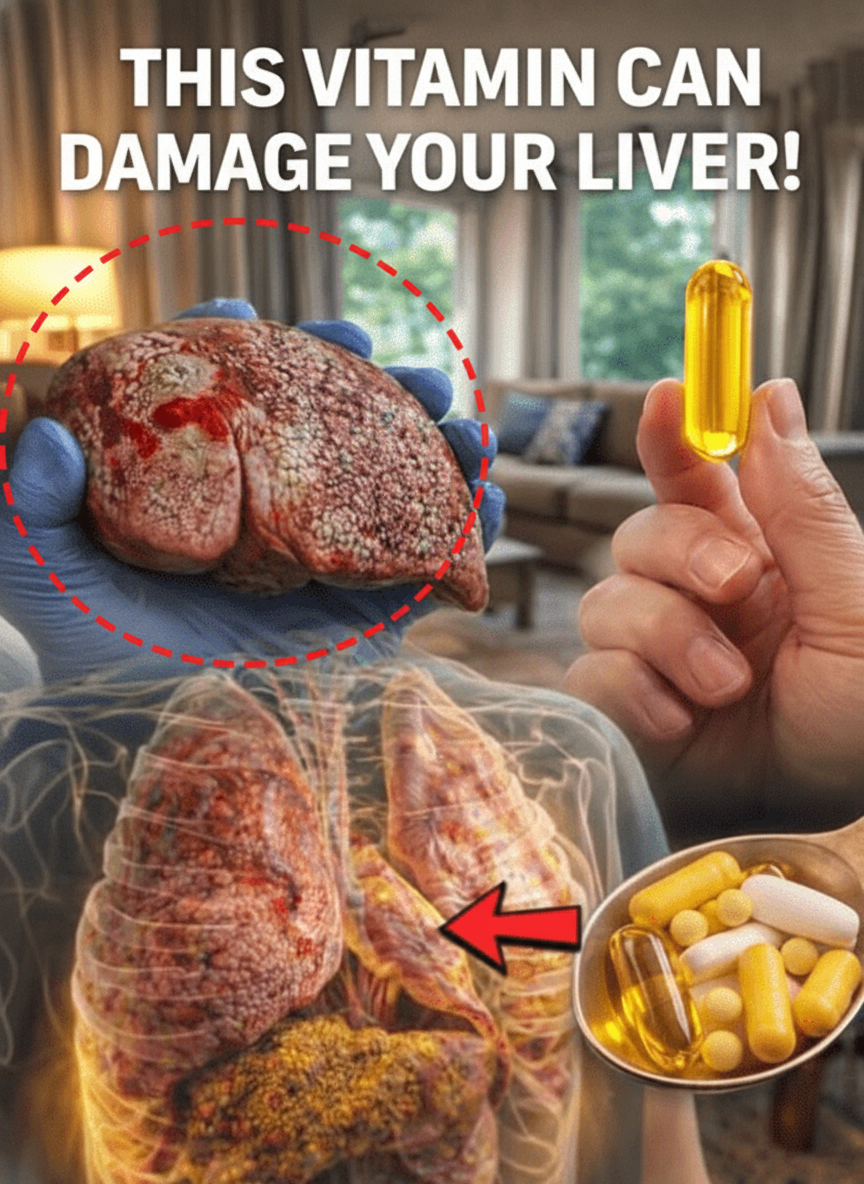
In our daily pursuit of optimal health, many of us turn to vitamins and supplements as a way to boost our well-being. We strive to make informed choices, yet some commonly consumed products can subtly impose an unexpected burden on the body’s vital detoxification systems. This underlying stress, accumulated over time, might manifest as persistent fatigue, general discomfort, or even uncertainty about whether your health regimen is truly serving you.
It’s a common misconception that all vitamins and herbal remedies are inherently harmless. However, even widely available products can influence the function of your liver and kidneys, particularly when not used correctly. The good news is that understanding these potential interactions can empower you to integrate supplements more safely into your routine, and a crucial piece of advice at the end of this guide might just change your perspective.
Why Your Liver and Kidneys Demand Special Attention
Your liver and kidneys are the unsung heroes of your internal ecosystem, diligently working around the clock. They are responsible for filtering waste products, processing nutrients, and maintaining a delicate balance within your body. Every single supplement you ingest must pass through these critical organs for metabolism and excretion. This means that even beneficial nutrients, when administered in excessive doses, combined inappropriately, or taken without expert guidance, can transform from allies into stressors.
It’s vital to emphasize that the vast majority of supplements are safe when used responsibly and according to recommended guidelines. Nevertheless, compelling research published in esteemed journals such as Hepatology and Kidney International highlights that specific vitamins and herbal products have been associated with increased strain on these organs, particularly when consumed in excess or without professional oversight. Becoming aware of which supplements warrant extra caution is a proactive step toward making smarter, safer choices for your daily health.
9 Popular Vitamins and Supplements That May Affect Liver and Kidney Health
1. High-Dose Vitamin A
Vitamin A is crucial for maintaining healthy vision and robust immune function. However, the principle of ‘more is better’ does not apply here. Excessive intake, particularly from supplemental sources rather than dietary foods, can accumulate in the liver over prolonged periods. Scientific studies indicate that very high doses taken long-term may contribute to hepatic stress and even toxicity. Exercise caution if you:
- Combine a multivitamin with additional standalone vitamin A supplements.
- Regularly use high-dose skin or beauty supplements containing vitamin A.
- Frequently consume liver-based supplements, which are naturally rich in vitamin A.
Prudent moderation is paramount.
2. Excessive Amounts of Vitamin D
Vitamin D plays an indispensable role in bone health and regulating immune responses. Yet, extremely high supplemental doses can significantly elevate calcium levels in the bloodstream (hypercalcemia). When calcium concentrations become too high, it places an undue burden on the kidneys as they strive to excrete the excess and restore physiological balance. This doesn’t suggest avoiding vitamin D; rather, it underscores the importance of finding the appropriate dose tailored to your individual needs, ideally determined with the assistance of a healthcare professional.
3. Niacin (Vitamin B3) in High Doses
Niacin is frequently utilized to support energy metabolism and cardiovascular health. Nevertheless, large supplemental doses – especially those substantially exceeding daily recommended allowances – have been linked in some instances to liver strain. Sustained-release formulations of niacin may pose a higher risk of liver complications when overused. Be vigilant for potential signs such as:
- Persistent and unexplained fatigue.
- Ongoing digestive discomfort.
- Unusual skin flushing or itching beyond the typical ‘niacin flush.’
If you take niacin regularly, precise dosage awareness is critical.
4. Herbal Green Tea Extract Supplements
Brewed green tea is a globally popular beverage, generally considered safe and healthful. However, the concentrated extracts found in supplement form are far more potent. Some research has connected high-dose green tea extract supplements to liver stress or injury in sensitive individuals. This risk appears to be amplified when taken on an empty stomach or in very large quantities. It’s an important distinction: drinking traditionally brewed green tea rarely presents the same level of concern due to its significantly lower concentration of active compounds.
5. Bodybuilding and Performance Supplements
Many formulations designed for muscle building and athletic performance contain a complex array of compounds that must be metabolized by the liver and kidneys. These products might include:
- Highly concentrated protein blends.
- Creatine in substantial amounts.
- Undisclosed herbal or synthetic ingredients.
While many individuals use these supplements without adverse effects, combining several such products simultaneously can drastically increase the workload on the body’s detoxification organs. Always meticulously review product labels and consider consulting an expert.
6. Vitamin C in Very High Doses
Vitamin C is a well-known supporter of immune function and skin health. However, ingesting mega-doses may elevate oxalate levels in certain predisposed individuals. Over time, this can potentially contribute to kidney discomfort or the formation of kidney stones in susceptible people. For the majority of adults, a balanced intake from food sources and moderate supplementation is typically well tolerated. Extremely high doses are seldom necessary for routine wellness.
7. Iron Supplements Without Medical Necessity
Iron plays an indispensable role in oxygen transport and energy production throughout the body. Yet, excess iron can accumulate in various organs, most notably the liver. Unless a medically diagnosed iron deficiency has been confirmed, routine high-dose iron supplementation may not only be unbeneficial but can also create unnecessary strain on the liver. Common sources of unintended iron excess include:
- Multiple fortified supplements containing iron.
- Certain ‘energy’ formulas that include iron.
- High-dose standalone iron tablets.
Always verify the medical need for iron supplementation before consistent use.
8. Kava (Piper methysticum)
Kava is traditionally used for its relaxing and anxiolytic properties. However, kava supplements have been controversially and strongly linked to severe liver damage, including hepatitis, cirrhosis, and liver failure, in some individuals. While the precise mechanisms are still debated, its hepatotoxic potential is a significant concern, especially with long-term or high-dose use. Due to these risks, many countries have issued warnings or restricted kava sales. It is crucial to avoid kava if you have pre-existing liver conditions or are concurrently taking other medications that are metabolized by the liver.
9. Certain Weight Loss Supplements and Multi-Herb ‘Detox’ Blends
Many over-the-counter weight loss supplements and various ‘detox’ or ‘cleanse’ herbal blends frequently contain a complex cocktail of stimulants, diuretics, and numerous botanical ingredients. While often marketed with promises of rapid results, the cumulative effect of these compounds can impose significant metabolic stress on both the liver and kidneys. Some ingredients may possess direct hepatotoxic or nephrotoxic properties, particularly when consumed in high doses or for extended durations. The lack of stringent regulation and the potential for undisclosed or contaminated ingredients in these products make them particularly risky. It is imperative to approach such supplements with extreme caution and always seek guidance from a healthcare professional before use.
The Bottom Line: Prioritize Informed Choices
Navigating the world of vitamins and supplements doesn’t have to be a minefield. The key takeaway is that while these products can be valuable tools for health, their misuse or overuse carries inherent risks to your liver and kidneys – the very organs working tirelessly to keep you healthy. Always remember that supplements are intended to supplement a healthy diet and lifestyle, not replace them.
The most important ‘supplement’ you can take is knowledge. Before incorporating any new vitamin or herbal product into your routine, especially if you have pre-existing health conditions or are taking other medications, the final and most crucial tip is this: always consult with a qualified healthcare professional. They can provide personalized advice, assess potential interactions, and help you determine the safest and most effective approach for your unique health needs, ensuring your journey toward well-being is truly supportive and safe.