 By admin
 Unveiling 15 Less Common Atorvastatin Side Effects: What Patients Report and Science Reveals
When you begin a regimen of atorvastatin, a widely prescribed medication, it’s typically with the goal of managing cholesterol levels and safeguarding your cardiovascular health. Many individuals embark on this treatment with confidence, anticipating a path toward a longer, healthier life. Yet, as time progresses, some patients start to notice subtle but persistent changes: unexplained leg discomfort, an unusual sense of exhaustion, or other alterations that make daily activities unexpectedly challenging. This often leads to a crucial question: Are these symptoms connected to the medication, or simply an inevitable part of aging?
You are certainly not alone in these observations. In clinical practice, a significant number of individuals taking statins, such as atorvastatin, share similar experiences. These concerns often arise during brief medical consultations where time constraints limit comprehensive discussions. While atorvastatin is extensively used and generally considered well-tolerated, real-world accounts and scientific investigations have brought to light certain adverse effects that might not always be immediately apparent or widely discussed. This article delves into 15 of these reported issues—drawing insights from clinical trial data, FDA post-marketing surveillance, and direct patient observations—roughly ordered from those more frequently mentioned to rarer, but potentially more serious, concerns. Gaining a deeper understanding of these can empower you to engage in more informed and productive dialogues with your healthcare provider.
Muscle-Related Concerns: A Frequent Topic Among Users
Issues affecting the muscles consistently rank among the most discussed aspects of statin therapy.
Muscle Pain and Weakness (Myalgia)
This condition impacts a considerable segment of users in everyday settings, with some observational studies indicating prevalence rates between 10-20%, although controlled trials typically report lower figures. Patients often describe their legs feeling unusually heavy, making simple tasks like climbing stairs or taking walks surprisingly difficult. Research confirms that these symptoms are usually reversible, often resolving with a dosage adjustment or discontinuation of the medication.
Unusual Fatigue
Many individuals report a profound, unyielding tiredness that goes beyond typical daily weariness and persists despite adequate rest. Studies suggest a potential link to reduced levels of CoQ10, a vital compound for cellular energy production, which statins are known to deplete.
Joint Discomfort (Arthralgia)
Aches and stiffness in joints such as knees, hips, or shoulders can mimic symptoms of arthritis, thereby restricting mobility. Post-marketing data from the FDA highlights joint pain as a common reason why some patients choose to discontinue treatment. However, the impact isn’t limited to these major joints; other areas of the body can also be affected.
Neurological and Mood-Related Manifestations
A subset of patients reports cognitive or emotional changes that can interfere with their mental acuity or overall mood.
Brain Fog and Memory Concerns
Symptoms like difficulty recalling recent events or a general feeling of mental haziness have been documented. The FDA includes a cautionary note regarding potential cognitive impairments, with numerous cases showing improvement after the medication is ceased.
Mood Shifts or Low Mood
Some patient accounts describe irritability, emotional blunting, or unexpected feelings of sadness. As a lipophilic statin, atorvastatin has the capacity to cross the blood-brain barrier, potentially influencing neurotransmitter pathways like serotonin, though scientific evidence on this link remains inconclusive.
Sleep Disturbances and Vivid Dreams
Difficulty maintaining sleep or experiencing unusually vivid and disturbing dreams can lead to persistent exhaustion. These issues are frequently noted in patient reports and some clinical observations.
Dizziness or Balance Challenges
Sudden sensations of light-headedness can raise concerns about falls, particularly in older adults, warranting careful attention.
Tingling or Numbness in Hands/Feet (Peripheral Neuropathy)
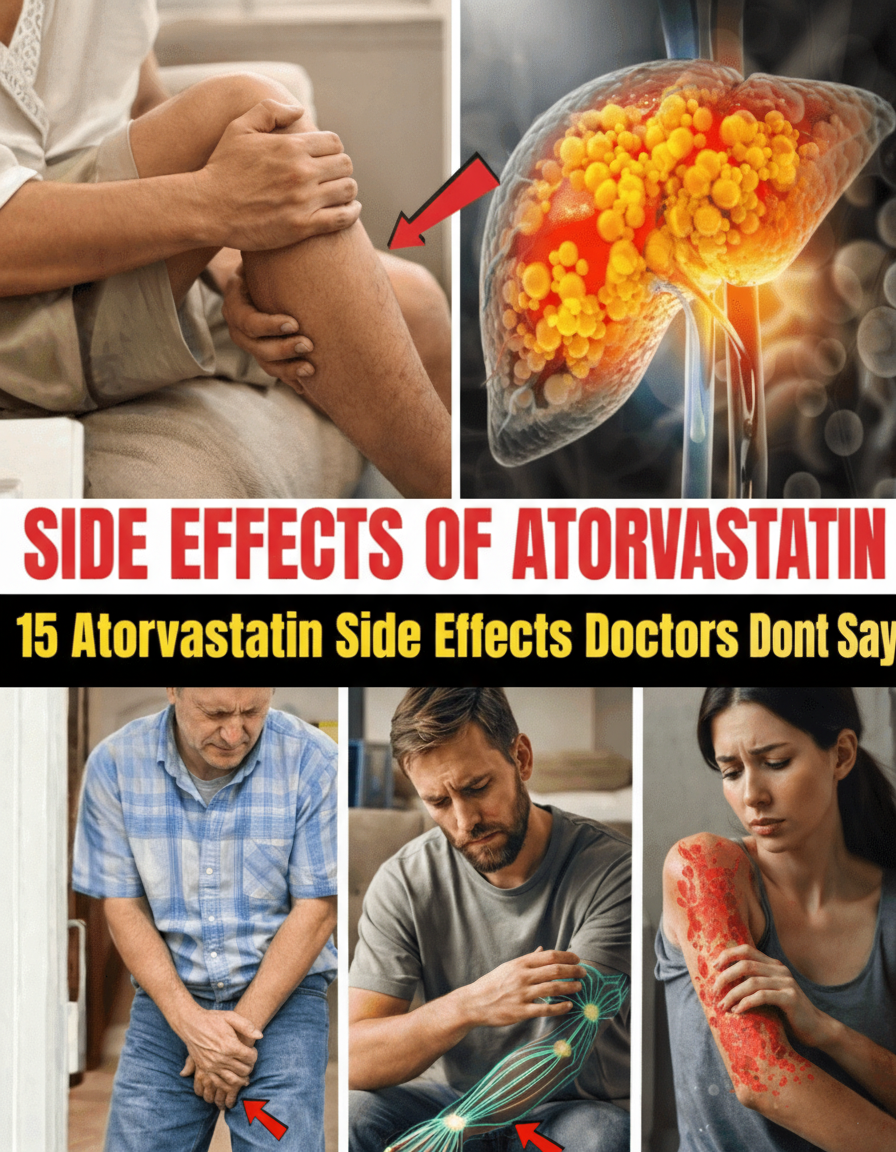
Patients may experience sensations of pins and needles or a burning feeling in their extremities. In rare instances, neurologists may advise discontinuing the medication if a clear link to atorvastatin is established.
Other Frequently Reported Adverse Effects
Beyond muscle and neurological issues, several other effects are commonly mentioned by patients.
Digestive Upset
Symptoms such as nausea, bloating, constipation, or diarrhea are reported by 5-10% of users in some datasets and are often mistakenly attributed to dietary factors rather than the medication.
Headaches
Persistent or throbbing headaches can emerge early in treatment, sometimes proving resistant to standard over-the-counter pain relief options.
Skin Reactions
A range of skin issues, including itching, redness, or rashes, can manifest, varying from mild irritation to more bothersome conditions.
Sexual Health Changes
Some men report a decrease in libido or new-onset erectile difficulties after starting atorvastatin. While studies on this topic yield mixed results, resolution of symptoms has been observed in certain cases after discontinuing the drug.
Blood Sugar Alterations
Meta-analyses of large patient cohorts indicate a modest increase in the risk (approximately 9-12%) of developing new-onset type 2 diabetes, with this risk being higher at elevated doses. For individuals already predisposed, vigilant monitoring of blood glucose levels is crucial.
Liver Enzyme Elevations
Asymptomatic increases in liver enzymes (ALT/AST), reported in about 0.5-3% of cases, typically resolve with continued monitoring or appropriate dose adjustments.
The Rare Yet Critical: Rhabdomyolysis
This severe condition involves the rapid breakdown of muscle tissue, releasing proteins that can critically damage the kidneys. Warning signs include dark urine and intense muscle pain. While its incidence is exceptionally low—around 1 in 10,000 users or less—atorvastatin has been associated with a notable number of reports among statins. Suspected cases require immediate emergency medical attention.
Insights from Patient Journeys (Experiences Based on Common Reports)
Consider Margaret, a 68-year-old who endured months of persistent leg aches and mental fogginess while on atorvastatin. Following a detailed discussion with her physician and subsequent cessation of the medication, she observed significant improvements in her symptoms within a few weeks, regaining much of her previous quality of life.