 By admin
 Unveiling 15 Less Common Atorvastatin Side Effects and How to Address Them
If you’re among the millions who rely on atorvastatin for managing high cholesterol, you likely value its contribution to cardiovascular health. However, some individuals may experience unexpected physical or mental changes that can be perplexing and concerning. These subtle alterations, ranging from persistent discomfort to shifts in mood, can disrupt daily life and prompt questions about whether they are signs of aging or something related to your medication. Fortunately, understanding these potential effects empowers you to proactively manage your well-being. And be sure to read through to the end—we’ll unveil a crucial, yet often overlooked, strategy for monitoring and mitigating these impacts.
What Is Atorvastatin and Why Is It Prescribed?
Atorvastatin is a widely prescribed medication belonging to the statin class. Its primary mechanism involves inhibiting a specific enzyme in the liver responsible for cholesterol production, thereby reducing the levels of “bad” low-density lipoprotein (LDL) cholesterol. Healthcare professionals typically prescribe atorvastatin to lower the risk of heart disease, stroke, and other cardiovascular events in individuals with elevated cholesterol or other risk factors, such as a family history of heart conditions. Renowned medical institutions like the Mayo Clinic affirm the efficacy of statins in achieving these vital health outcomes. Yet, while its benefits are well-documented, a comprehensive understanding of potential side effects is equally important to facilitate informed discussions with your healthcare provider.
Common Atorvastatin Side Effects: A Brief Overview
Before delving into less frequently discussed issues, let’s quickly review the more commonly reported side effects associated with atorvastatin. These often include muscle aches (myalgia), joint pain (arthralgia), digestive upset like diarrhea, and cold-like symptoms such as a runny nose or sore throat. Data from resources like Drugs.com suggest that these effects may occur in up to 10-14% of users. In many cases, these mild symptoms tend to subside as your body adapts to the medication. Nevertheless, diligent monitoring remains crucial. Beyond these typical reactions, however, there are other, less common effects that might not always be brought up during routine medical check-ups.
15 Lesser-Discussed Side Effects of Atorvastatin
Based on information from reliable medical sources, here are 15 side effects of atorvastatin that are either less common or rare, but important to be aware of. It’s crucial to remember that not everyone experiences these, and their frequency can vary significantly among individuals.
-
Cognitive Changes Like Memory Loss or Confusion
Some individuals report experiencing “brain fog,” difficulty concentrating, or trouble recalling details. This cognitive impairment might be related to how statins interact with brain chemistry. Drugs.com notes these as postmarketing reports, affecting a small percentage of users. If you observe such changes, keeping a journal of instances can help identify patterns and provide valuable information for your doctor.
-
Increased Blood Sugar Levels Leading to Diabetes Risk
Atorvastatin can cause a slight elevation in blood glucose, potentially increasing the risk of developing type 2 diabetes, particularly in individuals who are already predisposed. The Mayo Clinic lists symptoms such as increased thirst and frequent urination as indicators of elevated blood sugar. Regular blood tests are vital for early detection and management of these metabolic shifts.
-
Neuropathy or Nerve Damage
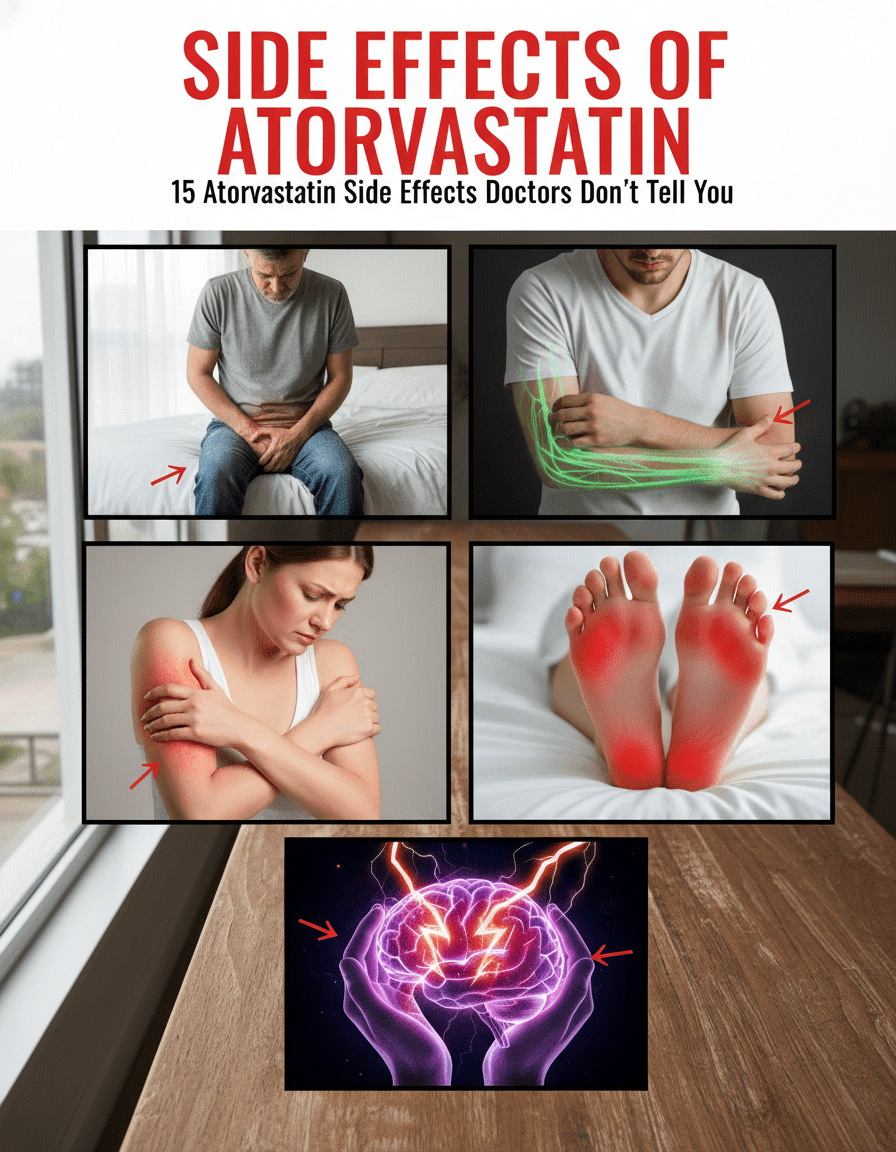
A rare but concerning effect is the development of peripheral neuropathy, characterized by tingling sensations, numbness, or weakness in the hands and feet. This nerve irritation may be linked to long-term statin use. Drugs.com classifies peripheral neuropathy as rare, affecting between 0.01% and 0.1% of users. It often manifests as a “pins and needles” sensation.
-
Erectile Dysfunction or Reduced Libido
Men taking atorvastatin may encounter challenges with sexual function, including erectile dysfunction or a decrease in sex drive. The Mayo Clinic includes the inability to maintain an erection in its list of effects where the incidence is not precisely known. Open and honest discussions with your healthcare provider are essential to explore potential solutions or alternative treatments.
-
Depression or Mood Changes
Unexpected feelings of sadness, anxiety, or other mood disturbances have been reported by some statin users. Drugs.com mentions depression in its postmarketing data for atorvastatin. Tracking your daily mood can help you identify any correlations with the medication and facilitate a more informed conversation with your doctor about your emotional well-being.
-
Nightmares or Sleep Disturbances
Disruptive sleep patterns, including vivid dreams or nightmares, can be an uncommon side effect. The Mayo Clinic lists this under effects with an unknown incidence. Adjusting the timing of your atorvastatin dosage, perhaps taking it in the morning instead of at night, might help alleviate these nocturnal disturbances.
-
Hair Loss (Alopecia)
Experiencing thinning hair or hair loss (alopecia) can be distressing for many. Drugs.com classifies this as an uncommon side effect, affecting 0.1% to 1% of users. Fortunately, this effect is often reversible once the medication is discontinued.
-
Tendon Problems or Rupture
While rare, some individuals have reported pain or inflammation in tendons, such as the Achilles tendon, and in severe cases, even tendon rupture. These serious tendon injuries are noted in postmarketing reports on Drugs.com. If you notice any unusual tendon pain, it’s advisable to avoid sudden strenuous activities and consult your doctor promptly.
-
Liver Enzyme Elevations or Damage
Although liver function is routinely monitored during atorvastatin treatment, persistent or significant elevations in liver enzymes can occur, potentially indicating liver damage. The Mayo Clinic advises patients to watch for symptoms like yellowing of the skin or eyes (jaundice) or unusually dark urine. Regular laboratory tests are crucial for tracking hepatic function.
-
Kidney Issues from Muscle Breakdown
In rare instances, severe muscle breakdown (rhabdomyolysis), a known side effect of statins, can lead to significant kidney strain and acute kidney injury. Drugs.com notes acute kidney injury as an effect with unknown incidence. The presence of dark, tea-colored urine is a critical warning sign that requires immediate medical attention.