 By admin
 A cervical cancer diagnosis or even the anticipation of screening results can be a source of significant anxiety, affecting not just one individual but both partners in a relationship. It’s widely known that almost all instances of cervical cancer are linked to persistent Human Papillomavirus (HPV) infection, a widespread virus transmitted through intimate contact. While men might feel powerless in this context, certain daily habits can unknowingly influence their partner’s susceptibility to HPV or their body’s capacity to naturally clear the virus. Recognizing these intertwined factors is crucial, enabling couples to jointly make well-informed decisions for their shared health. We’ll explore these influences, saving the habit with the most robust scientific evidence for last.
How HPV Contributes to Cervical Cancer Risk 🩺
Human Papillomavirus (HPV) primarily spreads via skin-to-skin sexual contact, encompassing vaginal, anal, and oral intercourse. While the majority of HPV infections resolve spontaneously within one to two years, certain high-risk strains can linger, leading to abnormal cellular changes over time. A critical point is that men frequently carry HPV asymptomatically, meaning they can transmit the virus to partners without ever realizing they are infected. The development of a persistent infection is heavily influenced by factors such as an individual’s immune system strength and the level of viral exposure. Effective prevention strategies are centered on minimizing transmission and bolstering immune defenses—achieved through vaccination, consistent use of barrier protection, and cultivating healthy lifestyle habits.
3 Male Habits Worth Rethinking for Partner Health
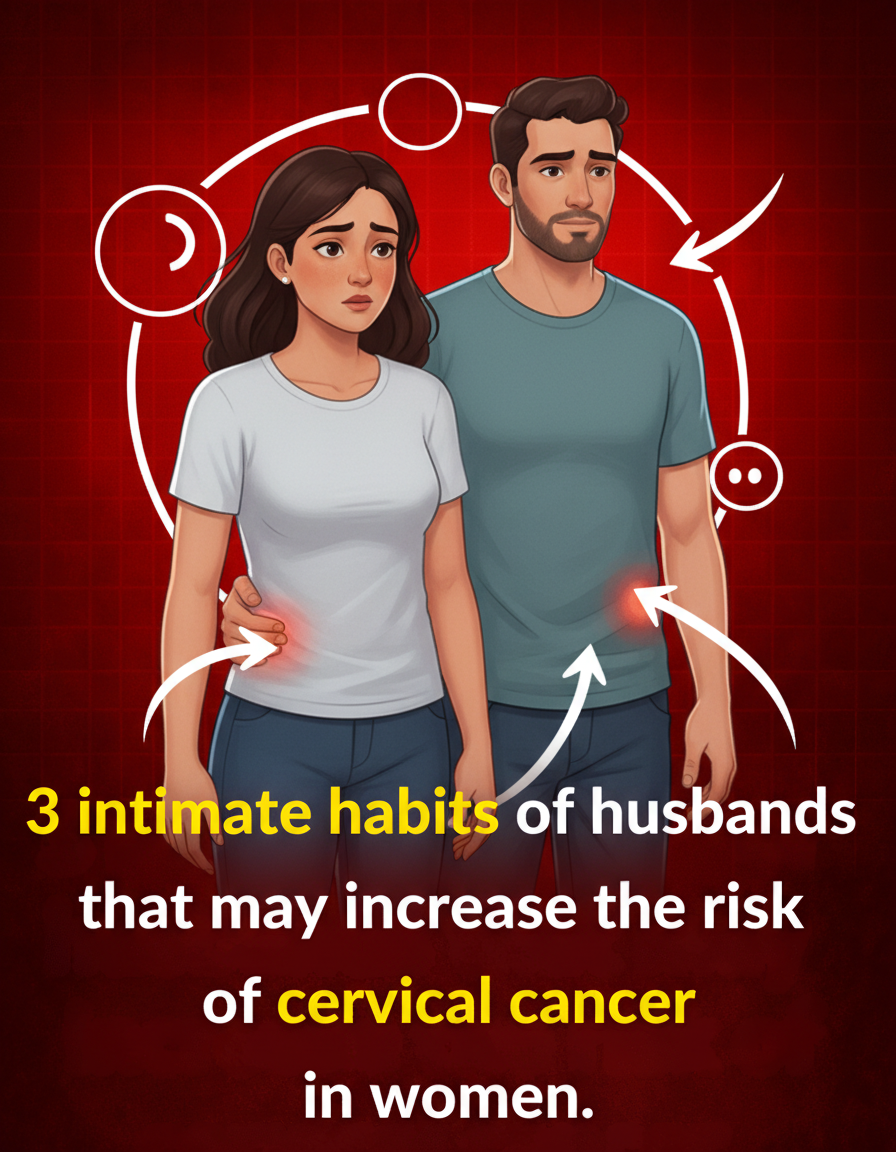
Contemporary research sheds light on three specific male behaviors that have the potential to elevate HPV-related risks for their female partners. Recognizing and making subtle yet significant adjustments in these areas can yield substantial positive impacts on shared health outcomes.
3. Smoking or Exposing Partners to Secondhand Smoke 🚭
The detrimental effects of smoking extend far beyond the smoker’s own lungs. For women already infected with HPV, the immune-suppressing chemicals present in tobacco smoke can significantly impede the body’s natural ability to clear the virus. Furthermore, a growing body of research indicates a correlation between passive (secondhand) and even thirdhand smoke exposure and an increased likelihood of developing cervical cancer. By choosing to quit smoking—and ensuring shared living environments remain entirely smoke-free—men can gently but profoundly bolster their partner’s natural immune defenses against HPV. This shift often brings about wider health benefits for both individuals in the relationship.
2. Inconsistent Condom Use 🛡️
In many established long-term relationships, the consistent use of barrier methods like condoms often declines, with focus shifting solely to preventing unintended pregnancy. However, it’s crucial to understand that while not 100% foolproof, consistent and correct condom use substantially reduces the risk of HPV transmission. Prominent scientific investigations, including a notable study published in the New England Journal of Medicine, have demonstrated that when male partners consistently use condoms, it significantly decreases their female partners’ likelihood of acquiring cervical HPV infections. Today’s condom options are designed for comfort and can enhance intimacy, offering an added layer of peace of mind. Embracing consistent condom use is a straightforward yet powerful demonstration of shared responsibility for sexual health.
1. Having Multiple Lifetime Sexual Partners 👥
Statistically, an increased number of lifetime sexual partners correlates directly with a higher probability of encountering various, including high-risk, strains of HPV for both men and women. Landmark studies have consistently revealed that women whose male partners have had a greater number of previous sexual partners face an elevated risk of cervical cancer, even when their own sexual history is taken into account. This phenomenon underscores the heightened potential for viral exposure. Adopting a mindful approach in new relationships and ensuring vaccination against HPV are crucial steps that can help mitigate these associated risks.
Quick Overview: Male Habits and HPV Risk for Partners
Here’s a concise summary of the habits discussed and their implications:
| Habit | Potential Impact on Female Partner | Evidence Level | Actionable Change to Consider |
|---|---|---|---|
| Multiple Lifetime Sexual Partners | Elevated likelihood of HPV exposure and encountering high-risk strains. | Strong (supported by numerous epidemiological studies) | Prioritize HPV vaccination; engage in open and honest discussions about sexual health. |
| Inconsistent Condom Use | Increased risk of HPV transmission during intimate contact. | Strong (validated through clinical trials and observational studies) | Commit to consistent and correct use of barrier protection. |
| Smoking / Secondhand Smoke Exposure | May impair the partner’s immune system, hindering natural HPV clearance. | Moderate (indicated by pooled analyses and biological plausibility) | Initiate quitting smoking; establish and maintain a smoke-free home environment. |
Supportive Steps Couples Can Take Together
Safeguarding health is inherently a collaborative endeavor. Many couples find the following proactive steps immensely beneficial:
- Get Vaccinated: The HPV vaccine is a proven safe and highly effective intervention for adults generally up to age 45, dramatically reducing the risk of viral transmission. This offers protection for both individuals.
- Utilize Protection Consistently: Emphasize the regular and correct use of condoms, particularly in non-monogamous or newer relationships, to minimize transmission risks.
- Encourage Regular Screenings: Advocate for and support routine Pap tests and HPV screenings, which are critical for detecting precancerous changes early, when treatment is most effective and successful.
- Embark on a Quitting Journey Together: If smoking is a factor, quitting as a couple can provide mutual support. Leverage available resources such as mobile applications, counseling services, or nicotine replacement therapies to ease the process.
- Foster Open Communication: Engage in candid and respectful discussions about sexual health histories, habits, and expectations. This builds a foundation of trust, enhances safety, and strengthens the relationship.
These shared practices extend beyond merely supporting cervical health; they also significantly contribute to overall intimacy, mutual respect, and holistic well-being within the partnership.
Signs That Warrant a Medical Consultation
Certain symptoms should always prompt immediate medical attention:
- Persistent unusual vaginal discharge or odor.
- Ongoing pelvic discomfort or pain.
- Pain experienced during sexual intimacy.
- Any unexplained bleeding between menstrual periods or after sexual intercourse.
Proactive and timely medical check-ups are paramount; they not only alleviate unnecessary worry but, more critically, can be life-saving.
Final Thoughts
It’s clear that men’s habits—ranging from their choices regarding sexual protection to broader lifestyle factors—can subtly yet significantly influence their female partner’s risk of HPV-related cervical cancer. The encouraging news is that the majority of these risks are modifiable, and highly effective prevention tools, such as HPV vaccination and regular screenings, are readily available. We encourage couples to engage in open dialogue, act thoughtfully with shared health in mind, and consistently prioritize preventative medical check-ups. These seemingly small, collective efforts made today are powerful investments in safeguarding tomorrow’s health and well-being for both partners.
Frequently Asked Questions
- Can men’s habits directly cause cervical cancer in their partners?
- No, men’s habits do not directly cause cervical cancer. Instead, nearly all cases of cervical cancer are caused by persistent HPV infection. However, certain male behaviors can significantly increase a partner’s exposure to the virus or negatively impact her body’s ability to naturally clear an existing infection, thereby indirectly influencing risk.
- Do condoms offer complete protection against HPV?
- While condoms are highly effective at significantly reducing the risk of HPV transmission, they do not offer 100% protection. This is because HPV can spread through skin-to-skin contact in areas not covered by a condom. Combining consistent condom use with HPV vaccination provides the strongest possible preventative measures.