 By admin
 Unraveling Winter’s Itch: Why Your Lower Legs Become Dry and Scaly Every January, and Practical Relief You Can Start Today
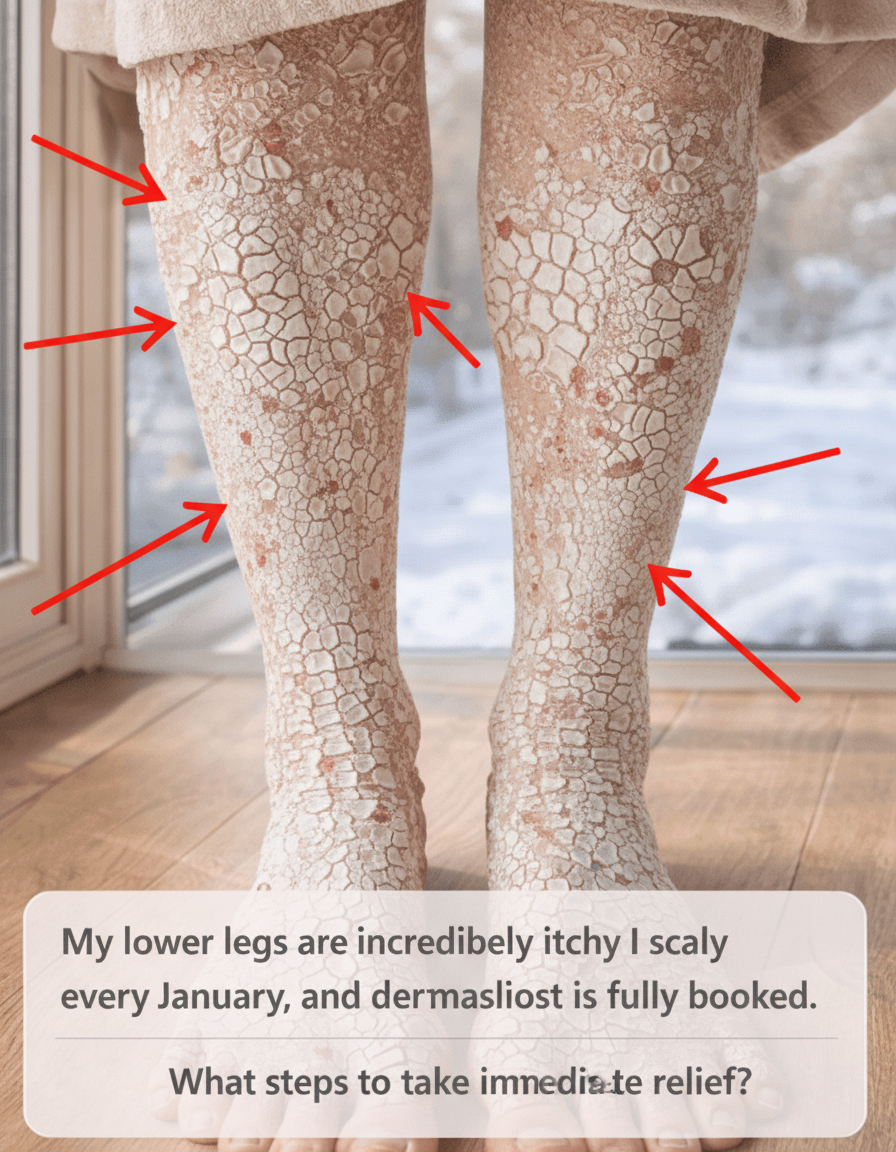
As the calendar flips to January, many of us find ourselves grappling with a familiar, unwelcome guest: intensely itchy and scaly lower legs. The crisp, dry air of winter, coupled with the constant blast of indoor heating, creates an environment where skin quickly loses its vital moisture. This often results in skin that feels rough, appears flaky, and is prone to developing fine white scales that can even crack with movement. The urge to scratch is powerful, yet succumbing only exacerbates the irritation, leading to redness and further discomfort. This condition can be incredibly frustrating and disruptive, particularly when a visit to the doctor isn’t immediately possible due to packed schedules.
The reassuring news is that this seasonal skin challenge, commonly referred to as “winter itch” or seasonal xerosis, affects a significant number of individuals. It’s often directly linked to the harsh combination of low humidity and cold weather. Fortunately, there are effective, practical measures you can implement right away to alleviate the symptoms while awaiting professional medical guidance. This comprehensive guide will delve into the underlying reasons why your lower legs might experience this annual flare-up and provide actionable, everyday strategies designed to restore comfort to your skin. Make sure to read to the end, as we’ll unveil a crucial, yet frequently overlooked, habit that can dramatically help break this persistent cycle.
Understanding Why Your Skin Struggles Every Winter
Winter’s chill does more than just prompt us to don warmer clothing; it profoundly impacts our skin’s delicate moisture equilibrium. The air outside becomes significantly drier, and indoor heating systems further deplete humidity levels, effectively drawing out essential natural oils and water from the skin’s outermost protective layer. This environmental assault often culminates in what is widely known as “winter itch” or severe dry skin, medically termed xerosis cutis. Your lower legs are particularly susceptible to this phenomenon because they are frequently exposed to fluctuating temperatures and often receive less protection from insulating clothing layers compared to other body parts.
Scientific studies consistently demonstrate that both low humidity and cold temperatures contribute to the weakening and depletion of the skin’s natural barrier. When this barrier is compromised, the skin becomes rough, scaly, and highly prone to intense itching. For many, this annual skin irritation seems to arrive with the precision of a clockwork mechanism each January, as seasonal environmental factors align perfectly to trigger this recurring response. However, while these overarching environmental shifts are the primary culprits, it’s vital to recognize that your daily skincare habits and lifestyle choices significantly influence the severity and frequency of these dry skin flare-ups.
Common Triggers That Worsen Dry, Itchy Legs
Before exploring practical remedies, let’s identify several everyday factors that might be inadvertently aggravating your dry, itchy lower legs. Awareness of these common triggers is the first step toward making simple yet impactful adjustments:
- Excessively Hot Showers or Baths: While a hot shower might feel comforting in cold weather, very hot water is highly effective at stripping your skin’s natural protective oils much more rapidly than lukewarm temperatures.
- Harsh Cleansers and Soaps: Many fragranced soaps and conventional body washes contain ingredients that are too aggressive, stripping away essential natural moisture and further compromising the skin barrier.
- Direct Exposure to Heat Sources: Positioning your legs directly in front of space heaters, radiators, or even fireplaces can rapidly dehydrate the skin, intensifying dryness and irritation.
- Persistently Low Indoor Humidity: Central heating systems, while keeping homes warm, drastically reduce the moisture content in indoor air, creating an arid environment that continuously pulls hydration from your skin.
- Inconsistent or Delayed Moisturizing: Waiting until your skin already feels tight, rough, or visibly dry indicates that its protective barrier is already compromised. Regular and proactive moisturizing is key.
By recognizing and addressing these seemingly minor habits, you can implement small but significant changes that will contribute positively to your skin’s health over time.
Immediate Steps for Soothing Relief You Can Start Today
You don’t need to wait for a specialist’s appointment or invest in expensive treatments to begin alleviating the discomfort. The focus should be on adopting gentle, hydrating practices that actively support and restore your skin’s natural protective barrier. Here are highly effective strategies, frequently recommended by dermatologists and skin health professionals, that you can integrate into your routine right away:
1. Revamp Your Shower and Bath Rituals
As highlighted earlier, scalding hot water is a primary contributor to skin dehydration. By adjusting your cleansing habits, you can significantly improve your skin’s moisture retention:
- Opt for Lukewarm Water: Instead of hot, use comfortably warm water for your showers or baths.
- Keep Them Brief: Limit your bathing time to a maximum of 5 to 10 minutes to minimize water exposure that can strip skin oils.
- Select a Gentle Cleanser: Choose a mild, fragrance-free, soap-free cleanser. Look for products specifically formulated for “dry” or “sensitive skin” or those labeled “moisturizing.”
- Pat, Don’t Rub: After washing, gently pat your skin dry with a soft towel, leaving a slight amount of moisture on the surface. Avoid vigorous rubbing, which can irritate already compromised skin.
- Moisturize Immediately: Crucially, apply your chosen moisturizer within three minutes of stepping out of the shower or bath, while your skin is still slightly damp. This critical step helps to “seal in” the moisture before it has a chance to evaporate, significantly boosting hydration levels.
Adopting these consistent changes in your daily cleansing routine can lead to a noticeable improvement in the comfort and texture of your lower legs within just a few days.
2. Select and Apply the Optimal Moisturizer Consistently
A robust, effective moisturizer is arguably the most vital component in restoring comfort and integrity to dry, itchy skin. Focus on products that are thick and occlusive, designed to create a protective barrier on the skin’s surface and prevent moisture loss:
- Prioritize Creams and Ointments: These formulations are generally superior to lotions for significantly dry or scaly skin. Their thicker consistency means they offer a more substantial and longer-lasting protective barrier.
- Look for Key Hydrating Ingredients: Seek out moisturizers containing ingredients like ceramides, petrolatum (petroleum jelly), shea butter, glycerin, or hyaluronic acid. These components actively help to replenish and retain skin hydration, supporting the compromised skin barrier.
- Insist on Fragrance-Free Formulas: To prevent further irritation, always choose products that are free of fragrances and dyes, which can be harsh on sensitive skin.
- Apply Generously and Frequently: Don’t be shy with application. Liberally apply your chosen moisturizer to your lower legs multiple times throughout the day – critically after showering, before bedtime, and whenever your skin begins to feel tight, dry, or itchy.
Many individuals report a significant reduction in scaling and the urge to scratch after just a few days of consistent and diligent moisturizing. To help you choose, consider this breakdown:
- Lotions: Lightweight, absorb quickly. Best for mild, everyday dryness or warmer climates.
- Creams: Thicker and provide more sustained hydration. Excellent for moderate to severe dryness and addressing scaly patches.
- Ointments: Typically petroleum-based, offering the heaviest and most occlusive barrier. Ideal for very dry, cracked, or severely irritated areas, especially when applied overnight.
Expert Tip: Keep smaller tubes or jars of your preferred moisturizer strategically placed – by your bedside, on your desk, or in your bag – to facilitate easy and frequent reapplication throughout your day.
3. Gently Soothe the Itch Without Causing Further Damage
The impulse to scratch intensely itchy skin is almost irresistible, but this momentary relief comes at a significant cost, damaging the skin barrier further and potentially leading to infections or prolonged irritation. Instead, try these gentle, non-damaging alternatives to alleviate the itch:
- Apply a Cold Compress: A cool, damp cloth or an ice pack wrapped in a thin towel applied to the itchy area can provide immediate relief by numbing the nerve endings responsible for the itch sensation.
- Tap or Gently Rub: Instead of scratching, try gently tapping or lightly rubbing the itchy area with the palm of your hand. This can distract the nerves without tearing the skin.
- Use Anti-Itch Creams: Over-the-counter hydrocortisone cream (1%) can be applied sparingly for short periods to reduce inflammation and itching. Alternatively, creams containing ingredients like menthol, camphor, or pramoxine can offer a cooling, anti-itch effect. Always follow product instructions.
- Wear Loose, Breathable Clothing: Tight clothing can cause friction and trap heat, exacerbating itchiness. Opt for loose-fitting garments made from natural, breathable fabrics like cotton.
The Often-Overlooked Habit: Maintaining Your Indoor Environment and Protecting Your Skin
While external applications and shower adjustments are crucial, one fundamental aspect often overlooked in managing chronic dry, itchy legs during winter is the quality of your indoor environment. Consistently low indoor humidity levels are a relentless aggressor, constantly stripping moisture from your skin. Investing in and regularly using a humidifier, especially in your bedroom, can make a monumental difference. Aim to maintain indoor humidity levels between 40-60%. This simple step creates a more skin-friendly atmosphere, significantly reducing the environmental stress on your skin’s barrier.
Furthermore, actively protecting your lower legs from direct irritants and sudden temperature changes is paramount. This includes:
- Avoiding Direct Heat: As mentioned, keep your legs away from direct blasts of heat from space heaters, radiators, or even hot car vents.
- Wearing Protective Layers: While natural fabrics are best, ensure your clothing provides a gentle barrier against cold air when outdoors, without being overly constrictive.
- Staying Hydrated Internally: While external hydration is key, drinking adequate water throughout the day also supports overall skin health.
By proactively managing your indoor air quality and consistently protecting your skin from environmental aggressors, you’re not just treating symptoms; you’re tackling a root cause of winter dry skin. This holistic approach, combined with diligent moisturizing and gentle cleansing, offers the most robust strategy for breaking the cycle of itchy, scaly lower legs and reclaiming skin comfort throughout the colder months.
When to See a Doctor
While these home remedies can provide significant relief, it’s important to know when to seek professional medical advice. If your symptoms worsen, if the itching becomes unbearable, if you develop open sores, signs of infection (redness, pus, warmth), or if your condition doesn’t improve after consistent application of these strategies, it’s crucial to consult a dermatologist or your healthcare provider. They can rule out other underlying skin conditions