 By admin
 Unraveling Tonsil Stones: What Those Small White Lumps in Your Throat Really Are and How to Manage Them
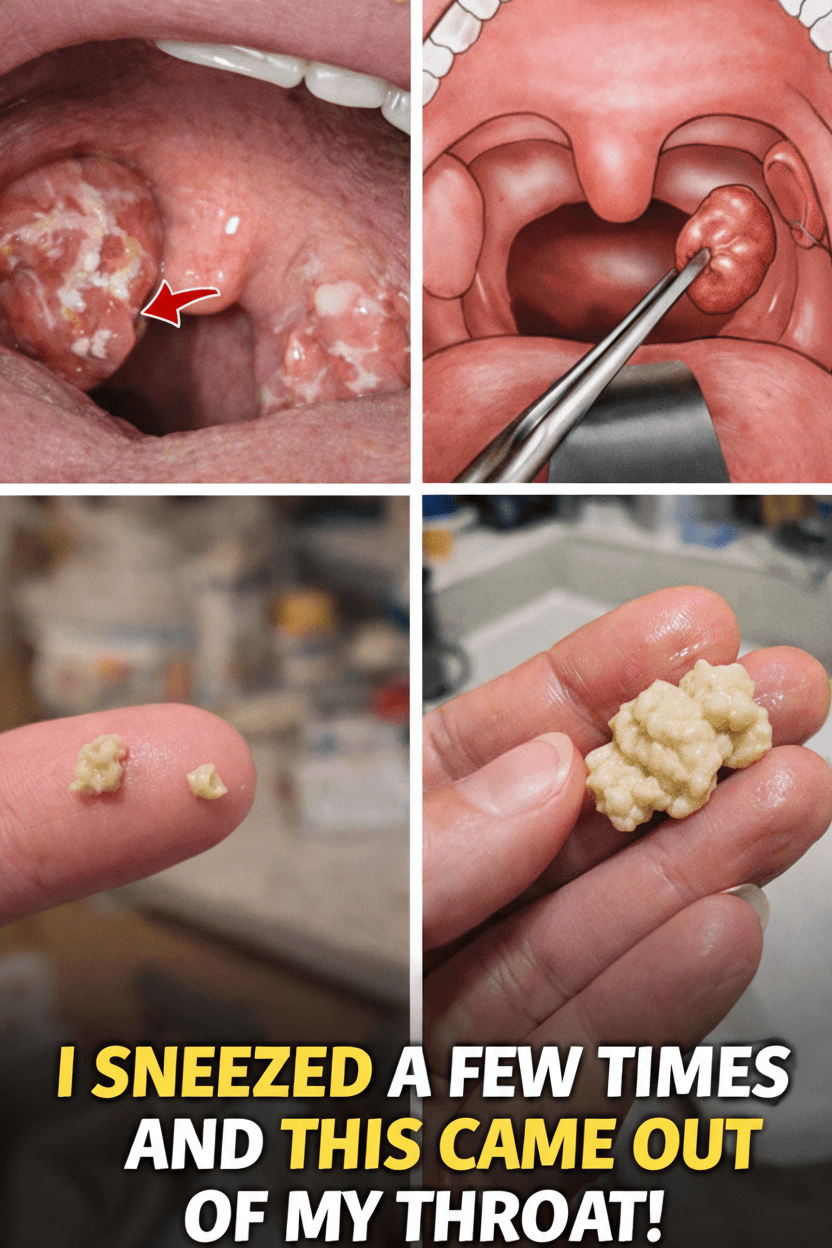
Have you ever experienced the peculiar sensation of something irritating your throat, only to dislodge a small, irregular, whitish-yellow fragment after a sneeze or cough? This moment often brings a mix of surprise, curiosity, and an immediate sense of relief as your throat feels remarkably clearer. While initially unsettling—especially given their pebble-like appearance—these tiny formations are far more common than you might imagine. Many individuals endure a persistent feeling of something lodged in their throat, which can manifest as chronic irritation, frequent coughing, or even persistent bad breath, sometimes for days or weeks. The sudden expulsion of these small lumps, often during an unsuspecting cough or sneeze, frequently leads to instant, albeit perplexing, comfort. But what exactly are these mysterious little formations, and what do they signify for your overall well-being? Delve deeper to discover the surprising reality behind these common throat occurrences and how they impact your daily comfort.
Unmasking Tonsil Stones: The Common Culprits Lurking in Your Throat
These intriguing formations, known officially as tonsilloliths but more commonly as tonsil stones, are essentially small, hardened deposits that develop within the natural folds and indentations—often referred to as crypts—of your tonsils. Located at the very back of your throat, your tonsils possess these intricate pockets which, over time, can become collection points for various debris. This includes microscopic food particles, shed skin cells, excess mucus, and a host of bacteria. As this organic matter accumulates and persists, it can undergo a process of hardening or calcification, leading to the formation of solid, often irregularly shaped lumps. These can vary significantly in size, from nearly invisible specks to deposits comparable to a pea.
Leading health organizations, including the Cleveland Clinic and WebMD, confirm the widespread prevalence of these formations. They are particularly common among individuals with more pronounced tonsil crypts or those with a history of recurrent throat irritation. Epidemiological studies suggest that a substantial portion, up to 10%, of the general population will encounter noticeable tonsil stones at some point in their lives. However, a significant number of cases remain undiagnosed due to their minuscule size or absence of symptoms. A distinctive characteristic of tonsil stones is their texture, often described as chalky or cheesy, and their notorious ability to emit a potent, unpleasant odor, a direct consequence of the bacterial activity within them. This explains the profound sense of relief and often the “aha!” moment experienced when one of these recalcitrant stones finally detaches, providing immediate comfort to the throat.
Recognizing the Signs: Do You Have Tonsil Stones?
Curious if these silent invaders have been affecting you without your awareness? Here are the most frequently reported indicators that you might be experiencing tonsil stones:
- Persistent Throat Sensation: A chronic feeling of something being caught or stuck at the back of your throat, even when no obstruction is visually apparent.
- Halitosis (Bad Breath): Unexplained and persistent foul breath that doesn’t resolve with regular brushing and flossing, often a direct result of the sulfur-producing bacteria within the stones.
- Throat Discomfort: Mild but recurrent irritation, a scratchy sensation, or a frequent compulsion to clear your throat.
- Visible Deposits: Noticing small, off-white or yellowish specks or lumps on your tonsils when inspecting your throat with adequate lighting.
- Spontaneous Expulsion: The sudden and often surprising dislodgment of a small, solid piece during a cough, sneeze, or even while eating.
These symptoms can fluctuate in intensity and frequency, with many individuals only becoming aware of tonsil stones when a larger formation alters its position or becomes dislodged. The reassuring news is that while bothersome, tonsil stones are almost always benign and seldom indicative of a more serious underlying health condition.
Understanding the Genesis: Why Do Tonsil Stones Form?
The development of these calcified deposits within the tonsil crypts is influenced by a combination of common daily habits and physiological factors:
- Suboptimal Oral Hygiene: Inadequate brushing and flossing can leave behind food particles and cellular debris in the mouth, which then become trapped in the tonsil crypts, serving as a breeding ground for bacteria.
- Xerostomia (Dry Mouth): A decrease in saliva production, often caused by certain medications, habitual mouth breathing, or insufficient hydration, reduces the natural flushing action of the mouth, allowing accumulated material to settle and harden.
- Post-Nasal Drip: The continuous drainage of mucus from the nasal passages down the back of the throat, frequently associated with allergies or sinus infections, can lead to mucus accumulating in the tonsil crevices, contributing to stone formation.
- Chronic Throat Inflammation: Recurring throat infections, such as tonsillitis, or persistent inflammation can enlarge the tonsil crypts and create more conducive environments for debris to collect and calcify.
Research indicates a higher predisposition to tonsil stone formation among individuals possessing naturally larger or deeper tonsil crypts, as well as those with a history of recurrent throat ailments. Furthermore, age can be a contributing factor, with older adults occasionally observing an increase in tonsil stone occurrences, potentially linked to structural alterations in the tonsils over time.
Effective Home Management Strategies for Tonsil Stones
Fortunately, for most instances of occasional tonsil stones, professional medical intervention is not always necessary. Many individuals find significant relief and success through simple, proactive measures implemented at home. These strategies are designed to encourage the natural dislodgment of existing stones and minimize their future recurrence:
- Warm Saltwater Gargles: Prepare a solution by dissolving approximately one teaspoon of salt in eight ounces of warm water. Gargling thoroughly with this mixture after meals can effectively help dislodge loose debris from the tonsil crypts while also providing a soothing effect on irritated throat tissues.
- Maintain Optimal Hydration: Consuming an ample amount of water throughout the day is crucial. Good hydration ensures consistent saliva production, which acts as a natural cleanser and helps to flush away accumulating particles from the throat.
- Gentle Oral Irrigation: Employing a low-pressure oral irrigator or water flosser can be beneficial. Directing a gentle stream of water into the tonsil crypts can help rinse out trapped material. Exercise caution, begin with the lowest pressure setting, and aim precisely to avoid irritation.
- Diligent Oral Hygiene: Beyond routine brushing and flossing, pay particular attention to thoroughly cleaning the back of your tongue. This area is a common reservoir for bacteria and food particles that can contribute to tonsil stone formation.
- Controlled Throat Clearing: A focused, yet gentle, cough or throat-clearing maneuver can sometimes be effective in loosening and expelling tonsil stones that are already on the verge of dislodging naturally.
It’s important to note that while these practices prove highly effective for many in managing and preventing tonsil stones, the key to long-term success lies in consistent application. Regularity in these habits is paramount for sustained relief and reduced recurrence.