 By admin
 Unraveling the Mystery: Why Do Tonsil Stones Cause Such Foul Odor?
Have you ever experienced the unsettling discovery of small, whitish formations nestled in the back of your throat, only to find they emit a distinctly unpleasant odor upon removal? These peculiar deposits, known scientifically as tonsilloliths or more commonly as tonsil stones, frequently surprise individuals with their unexpected presence and their characteristic foul smell. The persistent bad breath they can cause often leads to embarrassment and sometimes even concern about more serious underlying health issues. Fortunately, tonsil stones are a widespread and typically benign condition affecting a significant portion of the population. But what triggers their formation, and what accounts for their notoriously offensive smell? This comprehensive article will meticulously explain the origins and characteristics of tonsil stones, offering clear insights into their nature and practical strategies for effective management. Stay tuned for some often-overlooked daily practices that can make a real difference.
What Exactly Are Tonsil Stones?
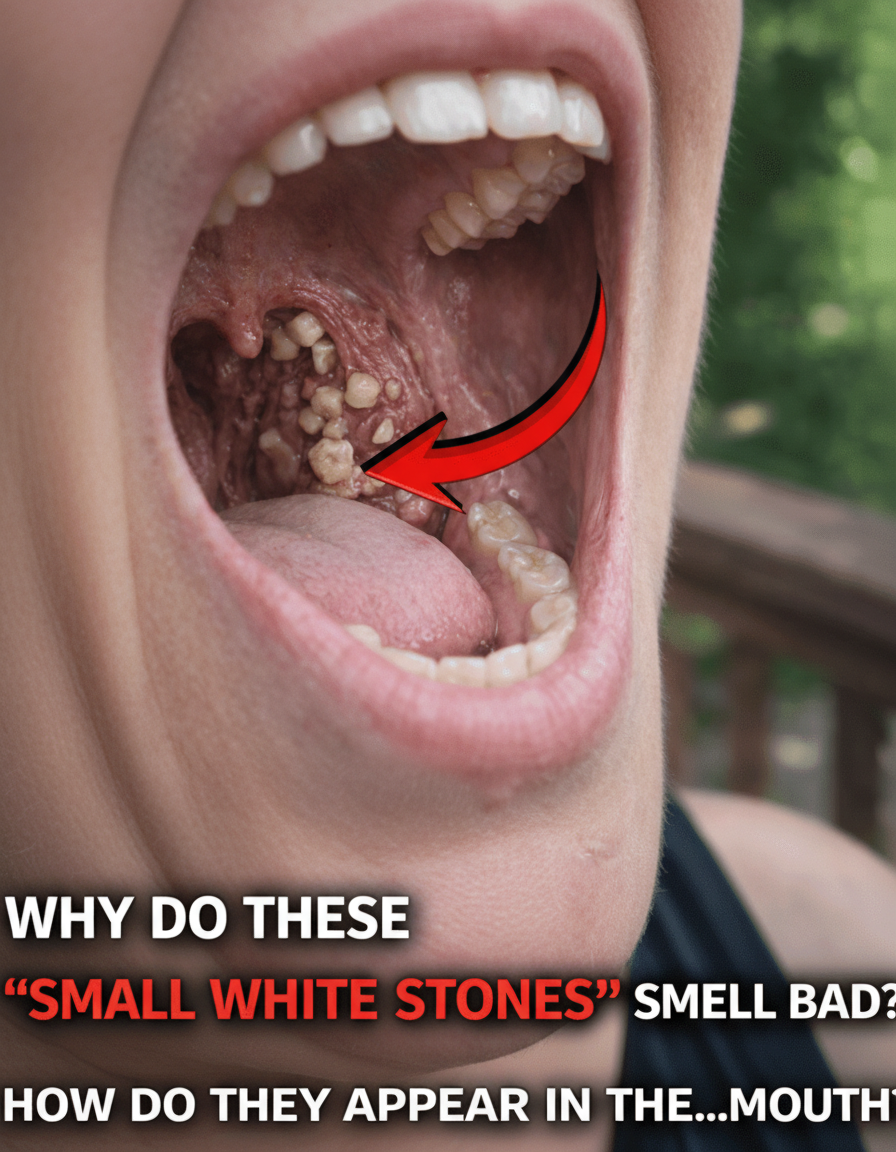
Tonsil stones, medically termed tonsilloliths, are small, calcified formations that accumulate within the natural folds and indentations, often called crypts, of your tonsils. Your tonsils, situated at the rear of your throat, play a crucial role in your immune system, acting as guardians against incoming bacteria and other foreign particles. Despite their name, these aren’t geological stones; rather, they are composed of various elements that become lodged in the tonsillar pockets, including:
- Microscopic food particles and other oral debris
- Shed epithelial cells from the mouth’s lining
- Diverse types of bacteria and other microorganisms
- Mineral deposits, predominantly calcium, which cause hardening
Gradually, this collected material undergoes a process of calcification, solidifying into the distinct white or yellowish lumps often visible upon close inspection. Research and clinical evidence indicate a higher prevalence of tonsil stone development in individuals possessing deeper tonsil crypts or those with a history of recurrent throat infections. Interestingly, these formations can range significantly in size, from minuscule grains to larger, pea-sized masses, and many people remain unaware of their presence until a tell-tale sign, such as a sudden unpleasant odor, brings them to light.
Why Do Tonsil Stones Emit Such a Foul Odor?
The intensely unpleasant smell associated with tonsil stones is arguably the primary concern driving individuals to seek information about them. This distinctive, often described as rotten or sulfurous, stench originates directly from the metabolic activity of bacteria