 By admin
 Unraveling Nighttime Leg Cramps: Causes, Immediate Relief, and Prevention Strategies
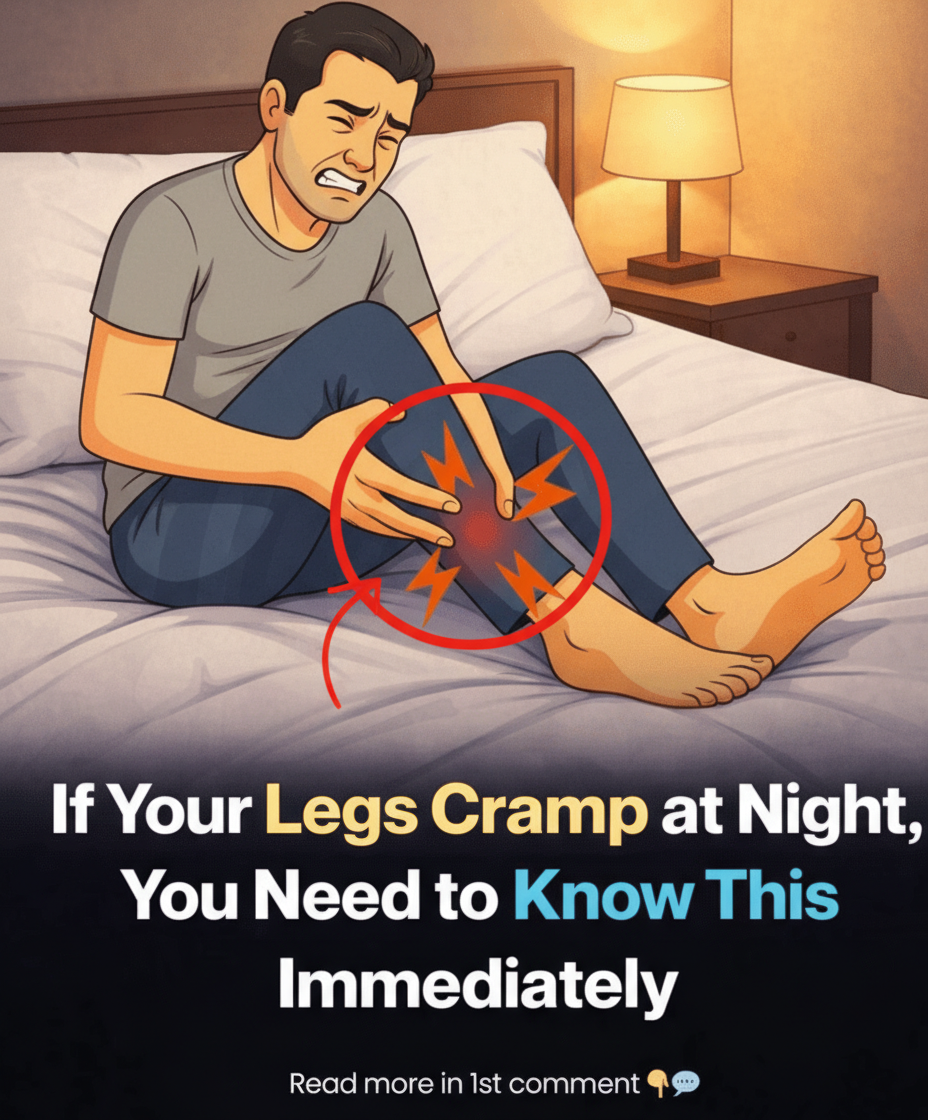
Imagine drifting into a peaceful slumber, only to be abruptly awakened by a sharp, agonizing tightening in your calf or foot. These sudden, involuntary muscle spasms, commonly known as nighttime leg cramps, are a disruptive and painful experience that can shatter your sleep and leave you feeling exhausted the next day. The sheer discomfort and frustration of these nocturnal leg pains are undeniable. Fortunately, by understanding the underlying causes of these unwelcome visitors, you can discover effective strategies for both immediate relief and long-term prevention. We’ll also reveal a surprisingly simple trick that many find incredibly helpful when a cramp takes hold.
🌙 What Triggers Those Unexpected Nighttime Leg Cramps?
Nighttime leg cramps frequently appear during periods of deep relaxation, transforming a restful night into a distressing struggle. The intense, involuntary muscle contractions that grip your legs can be excruciating, making it nearly impossible to return to sleep. While these nocturnal muscle cramps are a widespread phenomenon, particularly with advancing age, their precise origins aren’t always straightforward. Many medical professionals suggest that factors such as muscle fatigue or impaired nerve signaling play a significant role in the onset of nighttime leg cramps. When muscles are overworked or strained from daily activities, they become more susceptible to sudden, painful spasms while the body is at rest.
💧 Dehydration: A Common Culprit Behind Nighttime Leg Cramps
Even slight dehydration throughout the day can significantly increase your vulnerability to nighttime leg cramps. When your body’s fluid and electrolyte balance is disrupted, muscles can become hypersensitive and prone to irritation. That sudden, sharp leg pain that jolts you awake in the early hours frequently points to insufficient water intake, leading to restless nights instead of restorative sleep. Maintaining proper hydration is crucial for optimal muscle function, and numerous studies indicate that consistently adequate fluid intake can substantially decrease the occurrence of nocturnal leg cramps for many individuals.
🥦 Mineral Deficiencies: Contributing to Nocturnal Muscle Spasms
An imbalance or deficiency in essential minerals such as magnesium, potassium, or calcium can heighten your susceptibility to nighttime leg cramps. These vital nutrients play a critical role in facilitating proper muscle contraction and relaxation. When your dietary intake of these minerals is inadequate, you might experience those sudden, intense muscle tightness in your legs during the night, disrupting your sleep and causing considerable annoyance. Incorporating mineral-rich foods into your diet is an excellent, natural approach to bolster muscle health. Consider options like leafy greens, various nuts, and bananas.
Here’s a helpful list of mineral-rich foods that can aid in preventing nighttime leg cramps:
- Spinach and other dark, leafy green vegetables
- Almonds and pumpkin seeds
- Bananas and avocados
- Dark chocolate (consumed sparingly)
While some studies on magnesium supplements present varying outcomes, prioritizing whole food sources is generally considered a beneficial and gentle initial strategy.
🏃 Overexertion or Prolonged Inactivity: Impact on Leg Cramps
Both excessive physical exertion during exercise and extended periods of sitting or standing can predispose you to nighttime leg cramps. These activities can cause muscles to become excessively tight and then spasm once you finally settle down for rest. The discomfort of a strenuous workout or the stiffness from a long day at a desk often manifests most acutely at night, depriving you of valuable sleep. Achieving a healthy balance between physical activity and adequate recovery is key to preventing muscles from reacting adversely during your sleep.
🤰 Special Considerations: Pregnancy and Medications Affecting Leg Cramps
For certain individuals, specific life stages or medical treatments can heighten the incidence of nighttime leg cramps. During pregnancy, for example, the additional body weight and significant hormonal shifts frequently lead to more frequent nocturnal muscle spasms, particularly in the later trimesters when restful sleep is already challenging. Furthermore, certain medications, such as diuretics (water pills) or statins (cholesterol-lowering drugs), can contribute to these cramps by altering fluid and electrolyte levels in the body. If you are pregnant or currently taking medication, these factors could very well explain why you’re experiencing disruptive nighttime leg cramps. While most nocturnal leg cramps are harmless, it’s worth noting that underlying health conditions like poor circulation or nerve compression can occasionally be contributing factors.
⚡ Immediate Relief Strategies When Nighttime Leg Cramps Strike
When the searing pain of a nighttime leg cramp takes hold, it can feel interminable. However, several straightforward actions can provide surprisingly swift relief. Engaging the affected muscle gently helps to signal it to release, thereby shortening the agonizing episode.
Implement these immediate steps to alleviate nighttime leg cramps:
- Stand up and gently stretch the affected muscle by pulling your toes upward towards your shin.
- Firmly massage the cramped area to encourage relaxation.
- Walk around for a short period, even on your heels if the cramp is in your foot.
- Apply a warm compress or a heating pad to the muscle.
Interestingly, some individuals report that a small gulp of pickle juice can rapidly halt cramps. Limited studies propose that this might work by triggering a reflex that soothes the muscle.
🛡️ Practical Strategies for Preventing Nighttime Leg Cramps
Proactive prevention of nighttime leg cramps hinges on establishing daily routines that foster optimal muscle health, thereby minimizing those unwelcome nocturnal awakenings that leave you feeling utterly drained. Implementing consistent, minor adjustments can often yield significant improvements over time.
Here are effective measures that can help reduce the frequency and intensity of nighttime leg cramps:
- Maintain consistent hydration levels throughout your entire day.
- Ensure your meals incorporate a variety of mineral-rich foods.
- Perform gentle stretches for your calves and hamstrings before retiring to bed.
- Keep your bedding loose at the foot of the bed to allow for natural foot movement.