 By admin
 Introduction: The Mystery of Nighttime Leg Cramps
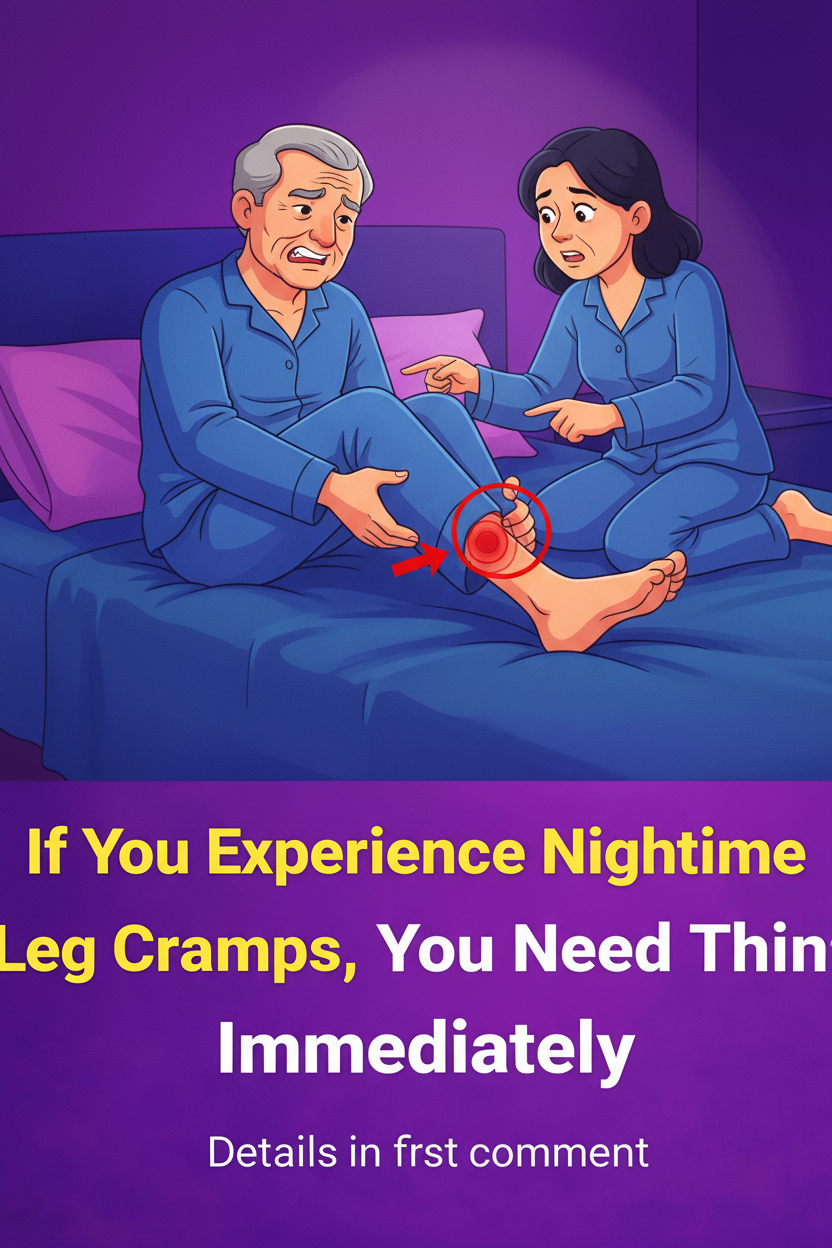
Waking suddenly to the searing pain of a leg cramp can be an incredibly disruptive and distressing experience. These involuntary muscle spasms, frequently targeting the calf muscles or feet, vary from a minor ache to an excruciating jolt. Typically striking during periods of rest or sleep, they shatter your precious slumber, often leaving you feeling exhausted and irritable the following day. While most people encounter an occasional leg cramp, recurrent episodes can significantly diminish your sleep quality and overall health. This comprehensive guide will delve into the primary reasons behind nocturnal leg cramps and reveal straightforward habits and lifestyle adjustments that can help ward them off and foster a more restorative night’s sleep.
🦵 What Causes Leg Cramps at Night?
Nocturnal leg cramps, characterized by sudden, involuntary tightening of muscles—most commonly in the calves, thighs, or feet—can be profoundly uncomfortable. While the precise trigger isn’t always evident, a range of factors can increase susceptibility to these painful nighttime occurrences:
- Dehydration 💧
Insufficient fluid intake can significantly contribute to muscle cramping. When your body lacks adequate hydration, muscle cells may struggle to perform their functions efficiently, often resulting in agonizing spasms. - Electrolyte Imbalances 🧂
An inadequate supply of vital electrolytes such as potassium, calcium, and magnesium can heighten the risk of experiencing leg cramps. These essential minerals play a critical role in proper muscle function; when their levels are depleted, muscle contractions can become erratic and painful. - Poor Circulation 💓
Impaired blood flow to the lower extremities, particularly when you’re at rest, can deprive muscles of necessary oxygen and nutrients, leading to cramps. Diminished circulation is sometimes linked to underlying health issues such as varicose veins, diabetes, or peripheral arterial disease. - Muscle Fatigue 💪
Excessive physical activity, strenuous exercise, or extended periods of standing throughout the day can overwork and exhaust your leg muscles. As you settle down for sleep, these fatigued muscles may struggle to fully relax, making them more prone to spasming. - Pregnancy 🤰
Expectant mothers, especially during the second and third trimesters, frequently experience an increased incidence of leg cramps. This susceptibility is often attributed to altered circulation and the additional strain placed on the body by the expanding uterus. - Medications 💊
Some pharmaceutical drugs, including diuretics, statins, and beta-blockers, are known to list leg cramps as a potential side effect. This can occur due to their influence on electrolyte balance or their direct impact on muscle physiology. - Age 👵
The natural aging process often brings about reduced muscle flexibility and a potential decrease in overall blood circulation. These physiological changes can collectively elevate the risk of experiencing nocturnal leg cramps.
🌙 Simple Habits to Prevent Leg Cramps and Improve Sleep
Although nighttime leg cramps can be incredibly disruptive, integrating certain practical habits and lifestyle modifications into your daily routine can significantly diminish their frequency and concurrently enhance your overall sleep quality.
- Prioritize Hydration 💧
Maintaining optimal hydration is fundamental in preventing muscle cramps. Ensure you consume sufficient water consistently throughout your day. It’s also wise to limit or avoid caffeinated and alcoholic drinks, especially in the hours leading up to bedtime, as both are known for their dehydrating effects.
Helpful Tip: Strive for approximately 8 glasses (around 64 ounces or 2 liters) of water daily, adjusting your intake upwards if you engage in physical activity or reside in a warm environment. - Maintain Electrolyte Balance 🧂
Consuming an adequate amount of essential electrolytes like potassium, magnesium, and calcium through your diet is crucial for warding off leg cramps. These vital minerals support proper muscle function and significantly lower the chance of spasms.
Dietary Sources:- Potassium: Rich sources include bananas, sweet potatoes, spinach, and avocados.
- Magnesium: Find it in nuts (particularly almonds), various seeds, dark leafy greens, and whole grains.
- Calcium: Abundant in dairy products, tofu, fortified plant-based beverages, and leafy green vegetables.
- Incorporate Pre-Sleep Stretching 🧘♀️
Engaging in gentle stretches for your calf muscles, hamstrings, and quadriceps prior to bedtime can promote muscle relaxation and substantially decrease the incidence of cramps while you sleep. This practice enhances both circulation and flexibility, rendering your muscles less susceptible to painful spasms.
Example: Calf Stretch: Position yourself facing a wall, placing your hands flat against it. Extend one leg backward, ensuring your heel remains firmly on the floor. Hold this stretch for 15-30 seconds, then switch and repeat with the other leg. - Elevate Your Legs 🛏️
Raising your legs before retiring for the night can significantly boost circulation and help stave off cramps. This technique is particularly beneficial if you’ve spent the day standing or if you contend with compromised blood flow.
Practical Advice: Use pillows to comfortably prop up your legs, or consider elevating the foot of your bed by 6-12 inches. This encourages smoother blood return from your lower extremities. - Utilize Heat or Cold Therapy ❄️🔥
Employing either heat or cold therapy on your legs can be effective in relaxing muscles and lessening the occurrence of cramps. Heat application works by increasing blood flow and alleviating muscle tension, whereas cold therapy can help numb pain during or immediately following a cramp.
Application Methods: Before sleep, apply a warm compress or a heating pad to the relevant leg to encourage muscle relaxation. If a cramp strikes, or immediately after it subsides, a cold pack can provide soothing relief.