 By admin
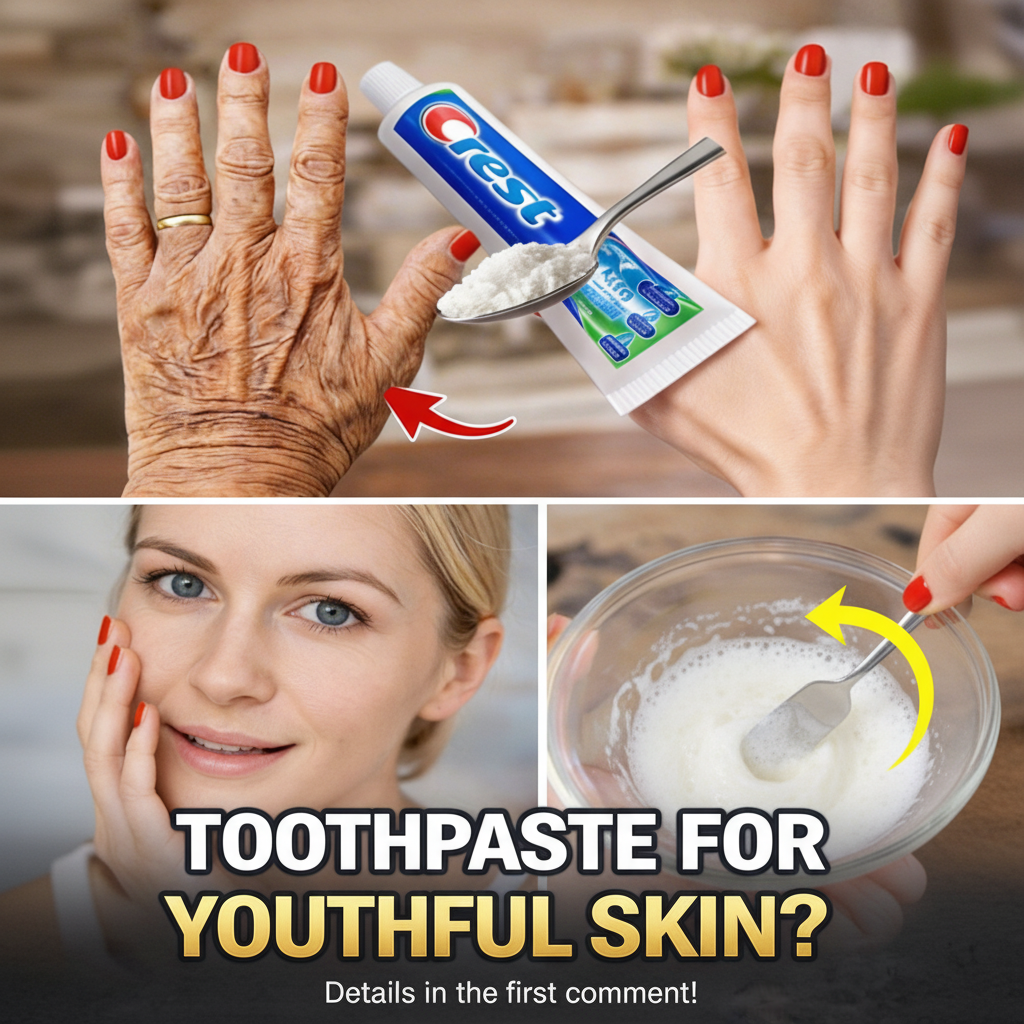
 A recent viral sensation across social media platforms has captured widespread attention, showcasing individuals concocting a unique home remedy: a paste made from Colgate toothpaste (often the baking soda variant) combined with additional baking soda. This mixture is then applied to hands and arms, with proponents claiming it offers remarkable benefits for aging skin.
The inspiration behind this DIY approach seems rooted in the mild abrasive and brightening qualities some associate with these ingredients from their established use in oral care. Enthusiastic social media posts and videos tout its ability to enhance the appearance of aging hands, promising smoother texture and more even skin tone. However, it’s crucial to note that specific scientific research supporting the efficacy or safety of this precise combination for skin care is notably scarce. Leading experts, including dermatologists cited in reputable health sources like Healthline, strongly caution that baking soda, due to its alkaline nature, can significantly disrupt the skin’s natural pH balance. This disruption can lead to irritation, excessive dryness, or heightened sensitivity, particularly on the delicate, thinner skin of the hands. This article delves into the origins and popularity of this trend, explores why it resonated with so many, and crucially, outlines safer, evidence-backed methods for caring for aging hands, alongside practical advice for those considering gentle exfoliation.
“A Cosmetic Procedure at Home?”: The DIY Remedy for Wrinkles and Dark Spots on Hands and Arms
It’s a common moment: you glance at your hands and notice the tell-tale signs of aging—fine lines deepening, dark spots emerging, and a texture that feels less supple than it once did. This can be a source of frustration, as hands are often the first area to betray age, constantly exposed to environmental stressors like sun, water, and daily wear and tear. Many people feel self-conscious when gesturing or shaking hands, yearning for a quick, affordable solution to achieve fresher, more uniform-looking skin without the commitment of expensive creams or professional treatments.
The good news, according to the internet buzz, is a simple concoction involving everyday kitchen and bathroom staples. Some users are reporting that their hands suddenly appear remarkably smoother and brighter, almost as if they’ve undergone a subtle cosmetic procedure. But what’s the real story behind this captivating trend, and is it a genuinely viable option? Continue reading, as we’ll later discuss gentle approaches many are exploring, along with expert-recommended habits for maintaining healthier-looking skin in the long term.
Understanding Why Hands Show Age So Prominently
Our hands are particularly susceptible to visible signs of aging for several key reasons. Their skin is notably thinner and possesses fewer oil glands compared to facial skin, rendering them more prone to dryness and accelerated changes over time. Persistent sun exposure leads to cumulative UV damage, manifesting as uneven skin tone and the development of sunspots (often referred to as age spots or liver spots). Furthermore, routine daily activities, such as dishwashing or gardening, can strip away the skin’s natural moisture barrier, thereby accentuating fine lines and contributing to a rougher texture. Research on photoaging consistently highlights that diligent sunscreen application and regular, gentle exfoliation are effective strategies for preserving a more youthful appearance, as they support healthy skin cell turnover and optimal hydration. Conversely, employing harsh scrubs or unverified mixtures carries a significant risk of irritation—a risk that escalates as our skin naturally becomes more sensitive with age.
The Viral Combination: Toothpaste and Baking Soda Paste Explained
Online communities are awash with “before and after” photos, showcasing hands treated with a paste created from Colgate toothpaste (particularly varieties formulated with baking soda, known for its mild abrasive qualities) blended with additional baking soda. The rationale behind this trend draws from baking soda’s established role as a gentle exfoliant in certain beauty routines and toothpaste’s familiar foaming and cleansing properties. Users typically apply this paste to their hands or arms, gently massage it into the skin, allow it to sit for a brief period, and then rinse thoroughly. Many report experiencing softer-feeling hands and a brighter complexion, attributed to the removal of superficial dead skin cells. While some individuals experiment by adding lemon or other ingredients for an intensified brightening effect, the core versions primarily focus on the exfoliating action.
However, a critical distinction must be made: while baking soda can indeed aid in sloughing off surface dullness when used judiciously in general skincare, its inherent alkalinity can compromise your skin’s natural protective barrier if overused. Moreover, toothpaste is specifically formulated for dental hygiene; its ingredients are designed for teeth, not the delicate tissues of your hands or body, and may contain compounds unsuitable or irritating for skin.
Is This Remedy Safe for Everyone? Expert Warnings
The concise answer: proceed with extreme caution. Dermatologists unequivocally stress the importance of patch-testing any DIY mixture on a small, inconspicuous area of your skin before full application. Baking soda, even in seemingly small quantities, can trigger adverse reactions such such as redness, a stinging sensation, or excessive dryness, especially on already sensitive or compromised skin. Toothpaste, too, can contain various ingredients—like strong flavors, essential oils, or foaming agents—that are known skin irritants. Individuals suffering from conditions such as eczema, rosacea, or those with inherently very dry skin should unequivocally avoid such abrasive experiments. Always prioritize gentle, scientifically supported skincare regimens over fleeting viral hacks, no matter how appealing they may seem.
Despite these expert warnings, the low-cost appeal and anecdotal reports of positive changes from occasional, gentle use continue to fuel public curiosity and the trend’s persistence.
What Makes This Viral Trend So Appealing?
The widespread appeal of this particular home remedy can be attributed to several factors:
- Affordability and Accessibility: The primary ingredients are typically already found in most households, making it a budget-friendly option.
- Quick Routine: The application process is generally brief, requiring only a few minutes, which fits easily into busy schedules.
- Exfoliating Effect: Users often report a temporary smoothing of skin texture, likely due to the removal of superficial dead skin cells.
- Brightening Potential: The mild polishing action may contribute to a perceived brighter appearance.
Nevertheless, it’s important to manage expectations: results can vary significantly among individuals, and no home remedy can genuinely replicate the efficacy of professional treatments, such as dermatologist-prescribed retinoids or specialized brightening agents.
Exploring Safer Approaches for Hand Rejuvenation and Gentle Exfoliation
While the viral toothpaste and baking soda trend offers a tempting shortcut, a more sustainable and skin-friendly approach to hand rejuvenation focuses on consistent, evidence-based practices. For those seeking to address signs of aging or improve skin texture on their hands, consider the following:
- Consistent Sun Protection: Daily application of a broad-spectrum SPF 30+ sunscreen is paramount to prevent further UV damage, which is a leading cause of dark spots and wrinkles.
- Regular Moisturization: Use rich, emollient hand creams containing ingredients like ceramides, hyaluronic acid, or shea butter to maintain skin hydration and strengthen the natural barrier.
- Gentle Chemical Exfoliants: Instead of harsh physical scrubs or DIY pastes, consider products formulated with mild alpha hydroxy acids (AHAs) like lactic or glycolic acid, or polyhydroxy acids (PHAs). These can gently promote cell turnover, improving texture and tone without compromising the skin barrier. Always start with low concentrations and patch test.
- Retinoids (with caution): Over-the-counter retinols or prescription retinoids can be highly effective for reducing wrinkles and improving skin tone, but they require gradual introduction and consistent use, often under professional guidance, especially for sensitive areas like hands.
- Antioxidant Serums: Incorporate serums rich in Vitamin C or E to combat free radical damage and enhance brightness.
Prioritizing gentle care, hydration, and protection will yield more reliable and safer results for maintaining youthful-looking hands over time.