 By admin
 Unmasking the Viral Age Spot Remedy: Cornstarch, Baking Soda, and Lemon for Brighter Skin – A Realistic Review
Age spots, also known as liver spots or solar lentigines, are common flat, brown or black discolorations that frequently appear on areas most exposed to the sun, such as the face, hands, shoulders, and arms. These blemishes typically become more noticeable after the age of 40–50. While completely harmless, they can contribute to an older or uneven skin appearance.
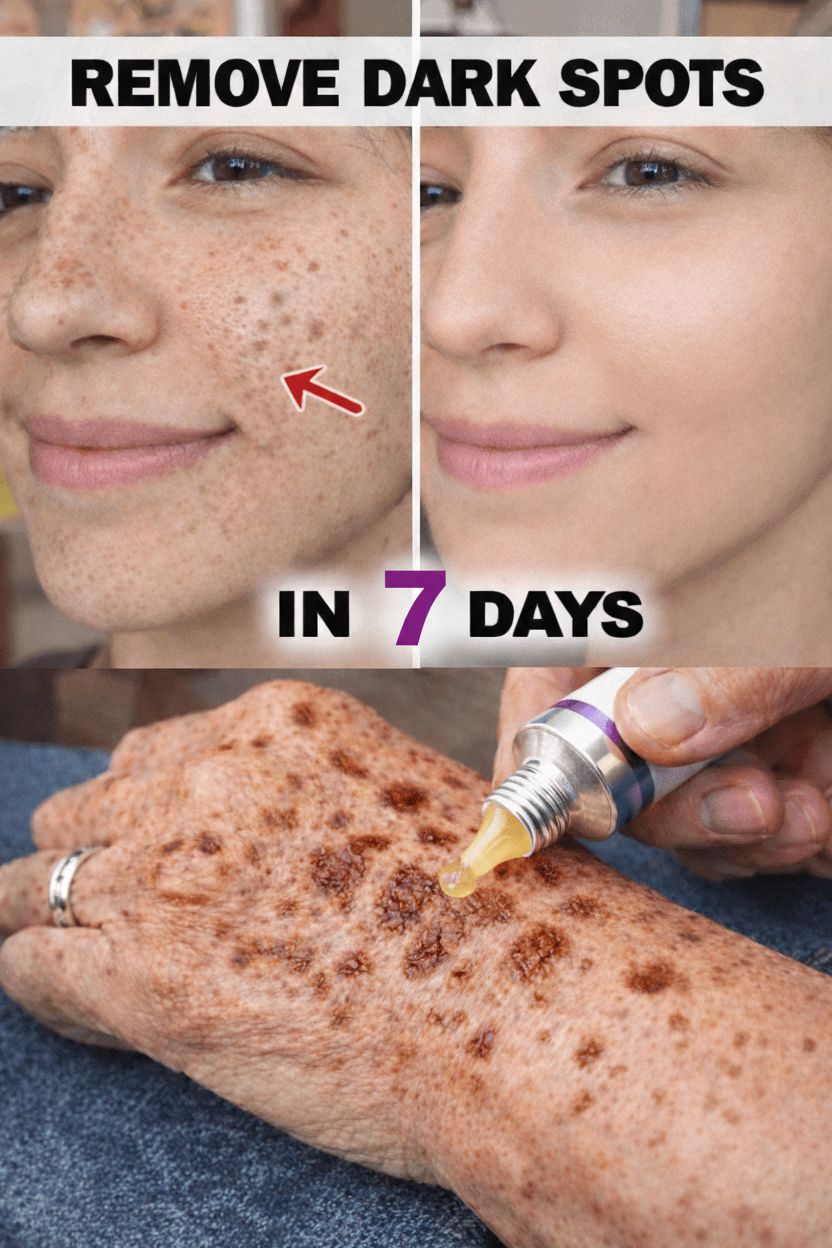
Among the myriad of DIY skincare solutions, a particular mixture of cornstarch, baking soda, and lemon juice has gained immense popularity online, heralded as a quick and natural way to diminish these spots. Many enthusiasts share compelling before-and-after photos, claiming significantly lighter and more even-toned skin after just 1–4 weeks of consistent application.
This article provides an evidence-informed, balanced perspective on this viral concoction. We’ll explore its proposed mechanisms, offer realistic expectations regarding results, and crucially, highlight the significant risks and potential side effects that are often overlooked in online posts.
How This Mask Is Purported to Work
- Lemon juice — Rich in citric acid (an Alpha Hydroxy Acid or AHA) and vitamin C, lemon juice is believed to offer mild chemical exfoliation and antioxidant benefits. Over time, these properties can theoretically contribute to lightening superficial pigmentation.
- Baking soda — Functioning as a mild physical abrasive with an alkaline pH, baking soda is thought to help slough off dead skin cells from the surface, leading to a temporary brightening effect.
- Cornstarch — This ingredient primarily serves as a gentle thickening agent and base for the mask. Its mild absorbent properties may also help soothe minor irritation and make the paste easier to apply evenly.
Combined Short-Term Effects
When combined, these ingredients are believed to work synergistically. The mask exfoliates the outermost layer of skin, where some superficial pigment resides, and can create a temporary illusion of brighter, tighter skin as it dries. Many users report a subtle improvement in the darkness of their spots within 1–3 weeks of initial use.
Realistic Outcomes & Timeline (As Reported by Consistent Users)
While results can vary significantly, consistent users often report the following progression:
- Days 1–7 → Skin feels smoother and appears slightly brighter overall, primarily due to the exfoliating action.
- Weeks 2–4 → Lighter, more superficial age spots (especially newer ones) may show a modest fading of 10–30%. Overall skin tone may appear more uniform.
- Weeks 6–12 → Deeper, older spots might show some modest lightening, potentially up to 20–50% in the most favorable cases. The complexion may look generally clearer and fresher.
- Long-term → Continued, careful maintenance use, coupled with daily sunscreen, can help sustain brighter skin and potentially prevent the formation of new spots.
Success Rate & Ideal Candidates
- Approximately 60–80% of dedicated users report some visible lightening of superficial age spots.
- Best results are typically observed on lighter skin tones and with newer or recently developed spots.
- This mask tends to have minimal to no discernible effect on very deep, long-standing, or stubborn pigmentation.
Critical Risks & Side Effects (Frequently Omitted in Online Posts)
Despite its viral popularity, this DIY mask carries significant risks that are often downplayed or entirely ignored online. Understanding these potential downsides is crucial for skin health.
Lemon Juice: A Potent Acid
Lemon juice is highly acidic (with a pH typically between 2–3), making it a potent ingredient for direct skin application:
- Increases Photosensitivity Dramatically → Applying lemon juice significantly elevates your skin’s sensitivity to UV radiation. This dramatically increases the risk of severe sunburn, and ironically, can lead to the formation of new, darker hyperpigmentation if you expose your skin to sunlight without adequate SPF protection.
- Potential for Chemical Burns/Irritation → On sensitive skin types, the high acidity can cause chemical burns, leading to redness, peeling, stinging sensations, and discomfort.
Baking Soda: Abrasive and Alkaline
Baking soda is both physically abrasive and highly alkaline (with a pH around 9), which can be detrimental to the skin’s natural balance:
- Disrupts Skin’s Natural Acid Mantle → The skin’s natural protective barrier, known as the acid mantle, thrives at an acidic pH. Baking soda’s alkalinity can disrupt this delicate balance, leading to dryness, impaired barrier function, and increased overall skin sensitivity.
- Risk of Micro-Tears → Its abrasive nature can cause tiny, invisible micro-tears in the skin, which can accelerate signs of aging and exacerbate irritation over time.
Cornstarch: Potential for Pore Clogging
While generally mild, cornstarch can pose a risk for certain skin types:
- May Cause Breakouts → For individuals with oily or acne-prone skin, cornstarch can potentially clog pores, leading to breakouts, blackheads, or even folliculitis.
Bottom Line on Safety
While this mask may offer modest, superficial lightening of pigmentation over several weeks, frequent or improper use often results in more harm than benefit. The significant risks, including extreme photosensitivity, irritation, dryness, and potential premature aging, often outweigh the temporary cosmetic improvements.
Safer & More Effective Alternatives for Fading Age Spots
If your primary goal is to achieve real, gradual lightening of age spots without exposing your skin to high risks, consider incorporating scientifically proven skincare strategies:
- Daily Broad-Spectrum SPF 30–50 — This is the single most crucial step, preventing up to 80% of new darkening and protecting existing spots from worsening.
- Vitamin C Serum (10–20% L-ascorbic acid) — Applied in the morning, this powerful antioxidant brightens skin and protects against environmental damage.
- Retinol or Bakuchiol (night) — These ingredients significantly boost cell turnover, helping to shed pigmented cells and reveal fresher skin.
- Niacinamide (5–10%) — This versatile ingredient helps reduce the transfer of melanin (pigment) to the skin’s surface, improving overall tone.
- Alpha Arbutin or Tranexamic Acid — These are targeted ingredients known for their efficacy in blocking melanin production and reducing hyperpigmentation.
- Professional Treatments — For faster and more dramatic results, consider professional chemical peels (e.g., glycolic/lactic acid) or microneedling, administered by a qualified dermatologist or esthetician.
Quick Safety Recap for the Viral Mask (If You Choose to Use It)
Should you decide to try this viral mask despite the warnings, adhere strictly to these safety guidelines to minimize potential harm:
- Patch-Test Reliably — Always perform a patch test on a small, inconspicuous area (like your inner forearm) at least 48 hours before applying to your face.
- Limit Frequency — Use the mask no more than 1–2 times per week at most.
- Short Application Time — Apply for a maximum of 5–10 minutes only.
- Rinse Thoroughly & Moisturize — After application, rinse your skin completely and follow immediately with a rich, hydrating moisturizer.
- ALWAYS Apply SPF 30+ — Crucially, always apply a broad-spectrum SPF 30+ sunscreen before any outdoor exposure. Remember, lemon makes your skin extremely sun-sensitive.
- Discontinue Immediately — If you experience any redness, burning, peeling, stinging, or discomfort, stop using the mask at once.
The Final Word
The cornstarch, baking soda, and lemon mask can offer temporary brightening and mild lightening of superficial age spots primarily through exfoliation. However, it is generally not a safe or sustainable long-term solution for most individuals. The inherent risks, including increased photosensitivity, irritation, compromised skin barrier, and potential for premature aging, typically outweigh the modest, short-lived benefits when used repeatedly.
For a safer, more effective approach to fading age spots and achieving a clearer, brighter complexion, prioritize daily broad-spectrum SPF, incorporate proven ingredients like vitamin C and niacinamide, and opt for gentle exfoliation. Many people achieve significantly clearer and brighter skin over several months without the irritation and risks associated with harsh DIY remedies.
Quick Start (A Truly Safer DIY Version)
For a gentler, less risky DIY approach that avoids the most problematic ingredients:
- Mix 1 teaspoon of cornstarch + ½ teaspoon of baking soda + a few drops of plain water (skip the lemon entirely).
- Apply this paste directly to your spots 1 time per week for no more than 5 minutes.
- Rinse thoroughly, moisturize generously, and always follow with SPF.
- For real results, integrate a professional-grade vitamin C serum into your morning routine.