 By admin
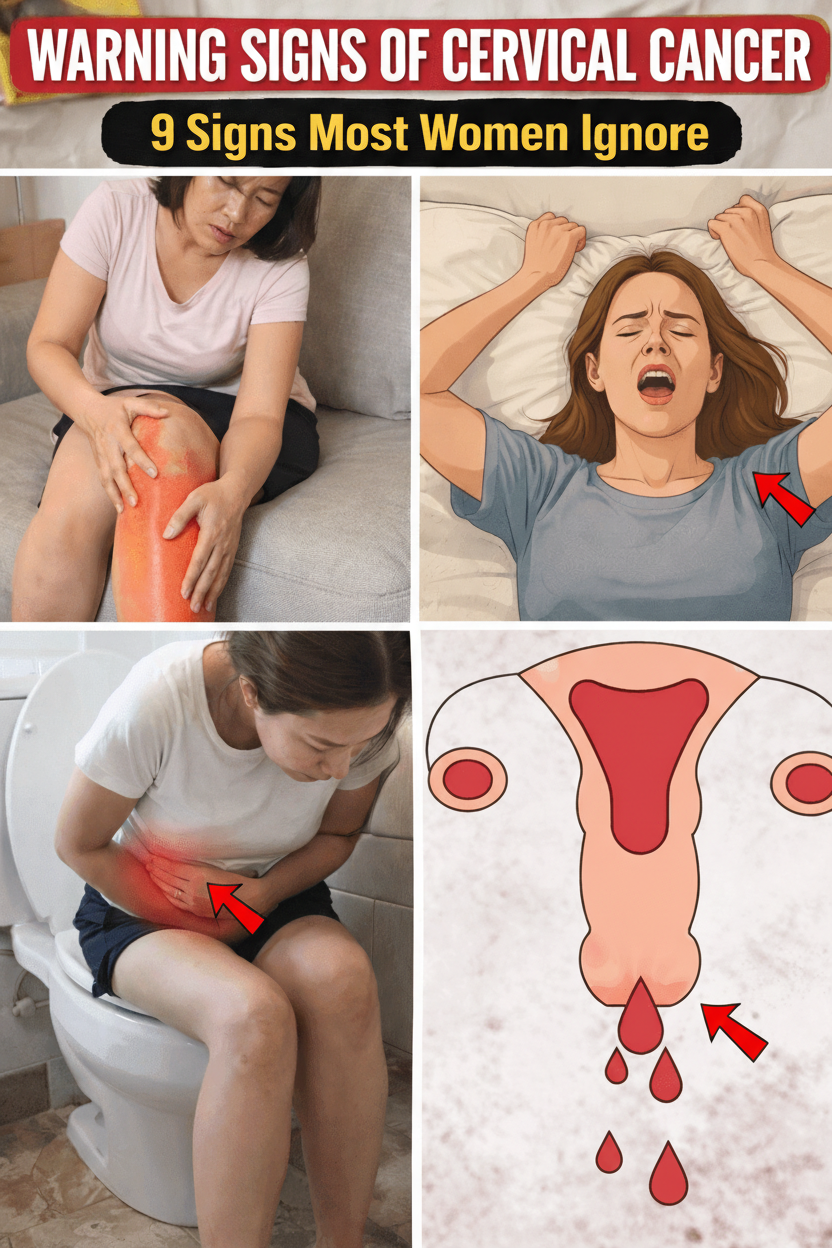
 Unmasking the Silent Threat: 9 Early Cervical Cancer Symptoms Women Often Miss
Many individuals navigate their daily routines unaware that subtle alterations within their bodies could signal a serious underlying health issue. Cervical cancer, in its initial phases, frequently develops without prominent or obvious indicators, leading to delayed diagnoses in numerous cases. Esteemed health organizations, including the American Cancer Society and Mayo Clinic, consistently emphasize the critical role of routine screenings in detecting abnormalities before they progress. However, everyday symptoms are often dismissed as typical menstrual variations, minor infections, or stress-related discomforts. This oversight can unfortunately postpone vital conversations with a healthcare provider.
The encouraging news is that becoming informed about these potential signs empowers you to take proactive steps for your health. Furthermore, there’s a crucial habit, backed by extensive research, that dramatically improves outcomes – a topic we will delve into towards the end of this article.
Why Early Awareness Matters for Cervical Health
Cervical cancer is predominantly linked to persistent Human Papillomavirus (HPV) infection and typically advances slowly over several years. Reputable sources like the National Cancer Institute confirm that during its nascent stages, distinct symptoms are rare, underscoring the indispensable need for regular Pap tests or HPV screenings. As cellular changes occur, the body may indeed send signals that are easily overlooked, particularly amidst the demands of work, family, or other health concerns.
Recognizing these patterns early doesn’t imply immediate alarm; rather, it signifies a commitment to listening to your body and seeking professional medical guidance if something feels amiss. The positive outcome is that when addressed promptly through a thorough medical evaluation, many related health concerns can be managed effectively. Yet, understanding the specific signs can provide an even clearer picture…
1. Unusual Vaginal Bleeding Patterns
One of the most frequently reported early indicators of cervical changes is bleeding that deviates from your typical menstrual cycle. According to clinical guidance from institutions such as the Mayo Clinic and Cleveland Clinic, this may manifest as:
- Light spotting or bleeding between regular periods.
- Bleeding that occurs after sexual intercourse.
- Menstrual periods that become noticeably heavier or last longer than usual.
- Any instance of vaginal bleeding occurring after menopause.
These alterations arise because abnormal cells can render cervical tissues more delicate and prone to bleeding. While many women might attribute such changes to hormonal shifts, new birth control methods, or perimenopause, persistent or worsening bleeding warrants an immediate discussion with your doctor. It’s crucial to remember: even occasional, unexplained spotting should not be dismissed.
2. Changes in Vaginal Discharge
Another subtle but important clue involves vaginal discharge that differs in appearance or odor from your usual baseline. Health experts, including those from the American Cancer Society, describe this as potentially watery, containing blood, unusually heavy, or possessing a strong, foul odor. Such discharge might occur between menstrual periods or after menopause, distinguishing it from typical yeast or bacterial infections because it may persist without responding to common over-the-counter treatments. If you observe a consistent shift in the color, consistency, or smell of your discharge, documenting these changes for a week or two can be highly beneficial when consulting a healthcare provider.
3. Pain or Discomfort During Intercourse
Experiencing pain during or immediately following sexual activity, medically termed dyspareunia, can be distressing and often points to irritation or inflammation within the pelvic region. Expert sources, such as Harvard Health, identify this as a potential symptom of concern, especially once other common causes (like vaginal dryness or infections) have been medically ruled out. It’s understandable to feel embarrassed discussing this, but gynecologists routinely address such concerns and are equipped to offer supportive guidance and solutions.
4. Persistent Pelvic or Lower Back Pain
A persistent ache in the lower abdomen, pelvis, or lower back that isn’t clearly linked to your menstrual cycle, strenuous exercise, or a recent injury warrants attention. Organizations like the World Health Organization and other medical authorities highlight ongoing pelvic discomfort as a symptom to monitor, particularly if it intensifies over time or begins to interfere with your daily life. Consider this a persistent internal signal – your body indicating a need for a closer medical examination.
5. Unexplained Fatigue or General Weakness
Are you feeling unusually exhausted despite getting adequate, restful sleep? While fatigue has myriad causes, including anemia, thyroid dysfunction, and stress, medical reviews suggest it can appear alongside other specific symptoms in more advanced cases of cervical cancer. When this profound tiredness is experienced in conjunction with any of the signs mentioned above, it provides crucial context that should be shared with your doctor for a comprehensive evaluation.
6. Changes in Urination or Bowel Habits
Increased frequency of urination, discomfort during urination, or noticeable shifts in bowel patterns (such as persistent constipation or diarrhea) can sometimes be related to pressure exerted by nearby cellular growths. Resources from institutions like the Cleveland Clinic note these as potential indicators in progressing cases. It is important to remember that numerous benign conditions can cause similar issues, making it essential to evaluate these changes in conjunction with other potential cervical cancer symptoms and consult a healthcare professional for accurate diagnosis.