 By admin
 The Silent Threat Hiding in Your Liver
Millions of adults worldwide are unknowingly living with fatty liver disease, a condition that often presents without obvious symptoms in its early stages. This makes it one of today’s most common yet frequently overlooked health concerns. Persistent fatigue, subtle skin changes, or vague body discomfort are often dismissed as stress or the natural process of aging, allowing fatty liver disease to silently progress without intervention. The good news is that understanding these early warning signs and adopting supportive habits can empower you to take proactive steps with your doctor for better liver health.
Understanding the Silent Epidemic
Fatty liver disease affects a significant portion of the population, primarily driven by factors like insulin resistance, excess abdominal fat, and diets high in processed foods and sugars. Sedentary lifestyles also play a major role in its development over time. The insidious nature of this condition lies in its ability to remain undetected until it advances, sometimes to more serious stages. This is precisely why recognizing subtle indicators is paramount for timely intervention and supporting your liver’s vitality.
8 Subtle Warning Signs of Fatty Liver Disease
Many individuals experience subtle changes that, while seemingly minor, could be linked to fatty liver disease affecting their body’s functions. Paying close attention to these can prompt timely conversations with healthcare providers. Here are eight signs associated with fatty liver disease that warrant your attention:
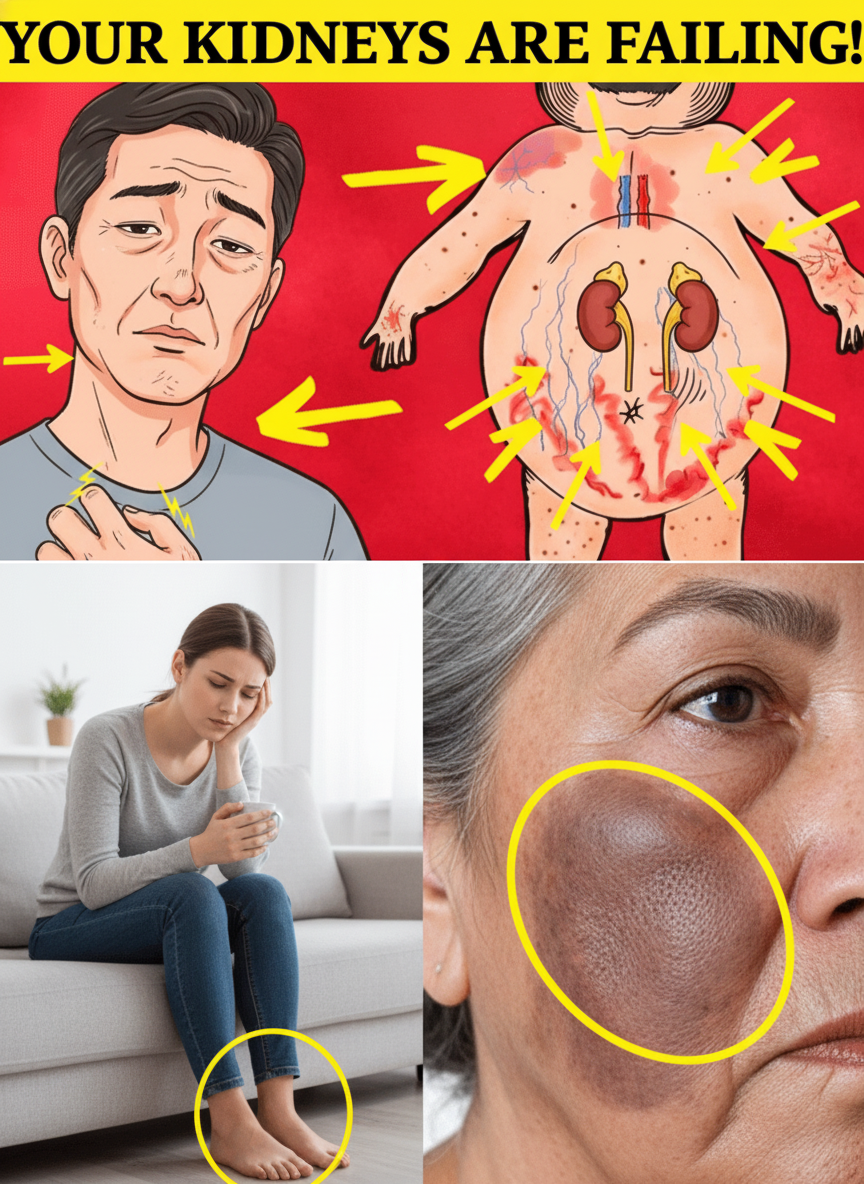
- Spider Angiomas (Spider-like veins): These small, red, web-like patterns may appear on the skin, often due to changes linked to liver health and hormone balance.
- Red or Flushed Palms (Palmar Erythema): An unusual redness or discoloration of the palms, sometimes connected with altered blood flow and hormonal shifts.
- Persistent Abdominal Bloating: Chronic swelling in the abdomen can occur, particularly as fatty liver disease affects fluid balance in more advanced cases.
- Prominent Abdominal Veins: Visible or distended veins on the belly may signal complications or increased pressure within the liver’s circulatory system.
- Unexplained Itching (Pruritus): Generalized skin itchiness without a rash can result from fatty liver disease impacting the processing of bile salts.
- Right Upper Quadrant Discomfort: A dull ache or discomfort under the right ribs or between the shoulder blades is common when liver enlargement occurs due to the condition.
- Dark Velvety Skin Patches (Acanthosis Nigricans): Thickened, darkened skin, often found in skin folds like the neck or armpits, is strongly associated with insulin resistance, a key driver of fatty liver.
- Nail Changes: Abnormalities such as ridges, brittleness, or other textural changes in your nails can reflect poor nutrient processing or overall health imbalances.
If several of these signs feel familiar, it’s highly advisable to discuss them with your doctor during your next check-up for a proper diagnosis and guidance.
Taking Proactive Steps for Liver Health
Fatty liver disease impacts tens of millions of adults globally, with modern lifestyles accelerating its prevalence. The good news is that positive changes are achievable. Many individuals have shared stories of improved energy levels and reduced discomfort after focusing on habits that support liver health. These real-world experiences demonstrate the benefits of proactive management.
Studies consistently show that certain lifestyle patterns are associated with better outcomes for those with fatty liver disease. Here are five practical ways to support your liver:
- Embrace a Balanced Eating Pattern: Prioritize whole foods such as abundant vegetables, lean proteins, and healthy fats. Significantly reduce your intake of processed foods, refined sugars, and unhealthy fats that burden the liver.
- Stay Well Hydrated: Drinking plenty of water throughout the day aids overall bodily functions, including supporting the liver’s natural detoxification processes.
- Incorporate Regular Physical Activity: Aim for consistent exercise. Even moderate physical activity can significantly help reduce liver fat, improve insulin sensitivity, and promote healthy weight management.
- Maintain a Healthy Weight: Losing even a modest percentage of body weight (e.g., 5-10%) can lead to a remarkable reduction in liver fat and a substantial improvement in liver function.
- Limit Alcohol Consumption: Alcohol is directly processed by the liver and can exacerbate fatty liver disease. Reducing or completely eliminating alcohol intake is a crucial step for liver recovery and health.
Recognizing the subtle signs and adopting a liver-friendly lifestyle are powerful steps toward managing and potentially reversing fatty liver disease. Always consult with a healthcare professional for accurate diagnosis and personalized management plans.