 By admin
 Millions worldwide unknowingly carry excess fat in their liver, a condition often referred to as fatty liver disease or metabolic dysfunction-associated steatotic liver disease (MASLD). In its early stages, this common ailment is notoriously silent, offering few obvious clues. However, as it progresses, subtle shifts in your well-being can emerge, and overlooking them could allow the condition to worsen over time. The challenge lies in these signs often mimicking everyday fatigue or minor discomforts, making them easy to dismiss until the situation becomes more serious. Understanding these indicators is crucial for early intervention.
What is Fatty Liver Disease, and Why Does it Matter?
Fatty liver disease occurs when excessive fat accumulates within liver cells. It’s frequently linked to factors like obesity, high blood sugar, and elevated cholesterol levels. While early-stage fatty liver (simple steatosis) often causes no major issues and can even improve with lifestyle changes, the development of inflammation (sometimes called MASH) significantly increases the risk of more advanced problems, including scarring (fibrosis) and liver damage.
Your liver is a vital organ, acting as your body’s primary filter, processing nutrients, and regulating energy. When overloaded with fat, its critical functions can gradually suffer. Many individuals don’t discover they have fatty liver until routine blood tests or scans reveal the buildup. This underscores the importance of being attuned to your body’s signals.
Early Warning Signs: The Most Common Symptoms
Though often asymptomatic, when fatty liver symptoms do appear, they are typically mild and non-specific initially. Trusted health sources frequently highlight these as common early indicators:
- Persistent Fatigue: Feeling utterly drained even after adequate sleep, as if your energy reserves are never fully replenished.
- General Malaise: A vague, pervasive sense of not feeling well, akin to perpetually being on the verge of sickness without it ever fully manifesting.
- Discomfort in the Upper Right Abdomen: A dull ache, pressure, or fullness beneath your right ribs, precisely where the liver resides. This is usually described as a sense of pressure rather than sharp pain.
These three symptoms are often cited in medical overviews due to their direct association with a liver working harder under strain. However, the full spectrum of potential signs extends further.
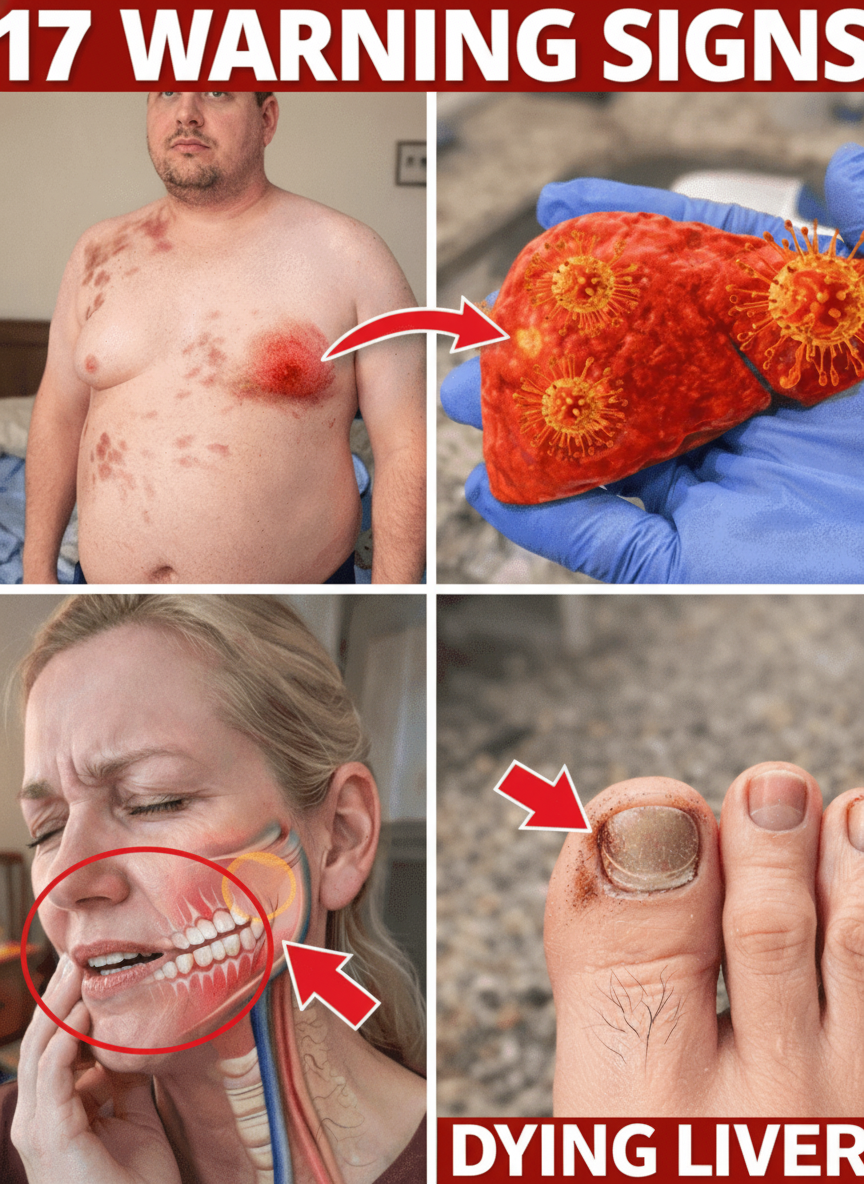
17 Potential Symptoms to Watch For
While not exhaustive and often overlapping with other medical conditions, this compilation of reported symptoms is drawn from reputable health resources. Remember, these are signals to discuss with your doctor, not a self-diagnosis:
- Extreme tiredness or persistent weakness
- Unexplained weight loss or loss of appetite
- Nausea or feeling queasy, especially after meals
- Pain or a sensation of fullness in the upper right abdominal area
- Itchy skin without an obvious rash
- Abdominal swelling (ascites, typically in advanced cases)
- Swelling in the legs or ankles (edema)
- Yellowing of the skin or eyes (jaundice, a sign of advanced disease)
- Spider-like blood vessels visible on the skin (spider angiomas)
- Redness on the palms of the hands (palmar erythema)
- Easy bruising or prolonged bleeding
- Dark urine
- Confusion, memory issues, or trouble concentrating (hepatic encephalopathy, in severe stages)
- Shortness of breath
- Enlarged spleen (often detected during a physical examination)
- Muscle wasting or generalized weakness
- Enlarged liver (hepatomegaly, palpable during a physical check)
Important Note: Early-stage fatty liver rarely presents with dramatic symptoms like jaundice or significant swelling; these are typically indicators of progression to more serious liver damage. Research consistently shows that most individuals discover fatty liver incidentally through routine medical tests. If you experience several of these symptoms, particularly persistent fatigue combined with abdominal discomfort, it is highly advisable to consult your healthcare provider.
How Lifestyle Choices Can Support Liver Health
The encouraging news is that many experts agree positive lifestyle modifications can effectively manage fatty liver disease, especially when diagnosed early. Here’s a straightforward, actionable approach you can begin today:
- Gradual Weight Management: Even a modest 5-10% reduction in body weight can significantly improve liver health, according to numerous studies. Focus on slow, sustainable weight loss through balanced eating and regular physical activity.
- Embrace Liver-Friendly Foods: Prioritize a diet rich in fruits, vegetables, whole grains, and lean proteins. Limit processed foods, sugary drinks, and unhealthy fats.
- Limit Alcohol Intake: Alcohol is a major burden on the liver. Reducing or eliminating alcohol consumption can dramatically reduce liver inflammation and fat accumulation.
- Regular Physical Activity: Aim for at least 150 minutes of moderate-intensity exercise per week. Exercise helps reduce liver fat, improve insulin sensitivity, and aid in weight management.
- Manage Underlying Conditions: Work with your doctor to control conditions like diabetes, high cholesterol, and high blood pressure, as these are closely linked to fatty liver progression.
Remember that simple, consistent daily habits can profoundly impact your liver’s long-term health. Don’t overlook the power of small, positive changes.
”
}
“`